
how to make homemade air fresheners for home usually comes down to two things, you want your space to smell clean, and you do not want to “cover up” a mystery odor with something even stronger.
Homemade options can be surprisingly practical, especially if you live with pets, cook often, or feel sensitive to heavy fragrances. You can control the ingredients, dial scent strength up or down, and avoid paying for mostly-water aerosols.
One quick reality check though, air fresheners are for scent, not sanitation. If something smells “off,” the best win often comes from finding the source first, then adding a light, consistent fragrance.
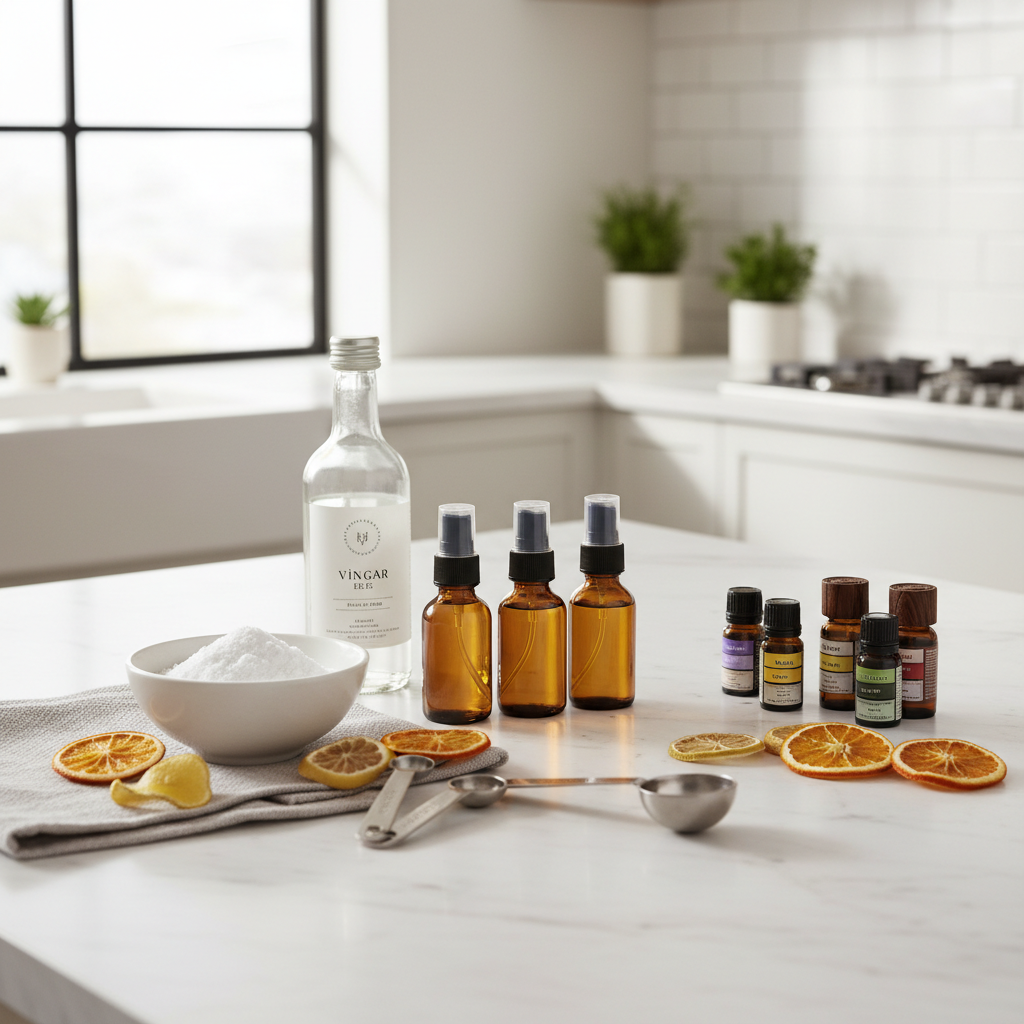
What works (and what doesn’t) in homemade air fresheners
Before you mix anything, it helps to separate three jobs people expect one product to do: remove odor, add scent, and keep scent lingering. Many DIY recipes only do the second job, and that’s where disappointment starts.
- Odor removal: baking soda, activated charcoal, good ventilation, and cleaning the source tend to matter most.
- Scenting: essential oils, herbs, citrus peels, vanilla, and gentle fragrance oils (if tolerated) can help.
- Longevity: reeds, gels, and simmer pots give a longer “background” scent than quick sprays.
According to EPA, indoor air can be more polluted than outdoor air in many situations, so it’s smart to keep fragrances moderate and focus on reducing odor sources rather than just masking them.
A quick self-check: choose the right type for your room
If you pick the format that matches the problem, your DIY freshener feels effortless instead of high-maintenance. Use this quick checklist.
- You need fast results (guests arriving, post-cooking): go with a spray or simmer pot.
- You need steady, low scent (bathroom, entryway): choose reeds or a baking soda jar.
- You’re dealing with pet odors (litter area, dog bed corner): prioritize odor absorber first, then add light scent.
- You’re scent-sensitive: use unscented odor control plus a minimal, occasional spray.
- You have toddlers or curious pets: skip open bowls, prioritize closed containers and higher shelf placement.
Key point: if the smell keeps returning, it’s often moisture, trash buildup, fabrics, or a drain issue, not a “lack of fragrance.”
3 reliable homemade air freshener recipes (spray, gel, reed)
These three cover most homes without needing niche ingredients. For each recipe, do a small test first, especially on fabrics and near finished wood.
1) Simple room spray (light, adjustable)
This is the easiest way to learn how to make homemade air fresheners for home without committing to a strong, constant scent.
- What you need: 2 oz glass spray bottle, distilled water, a little vodka or rubbing alcohol, essential oil (optional)
- Mix: fill bottle with water, add 1–2 tsp alcohol, add 10–25 drops essential oil depending on strength
- Use: shake before each spray, mist into air, avoid spraying directly onto delicate fabrics
Why alcohol? It helps disperse oils more evenly and can reduce the “oil floats on top” effect.
2) Baking soda jar freshener (quiet odor control)
This one does not scream “perfume,” it just makes a space feel less stale, which many people prefer.
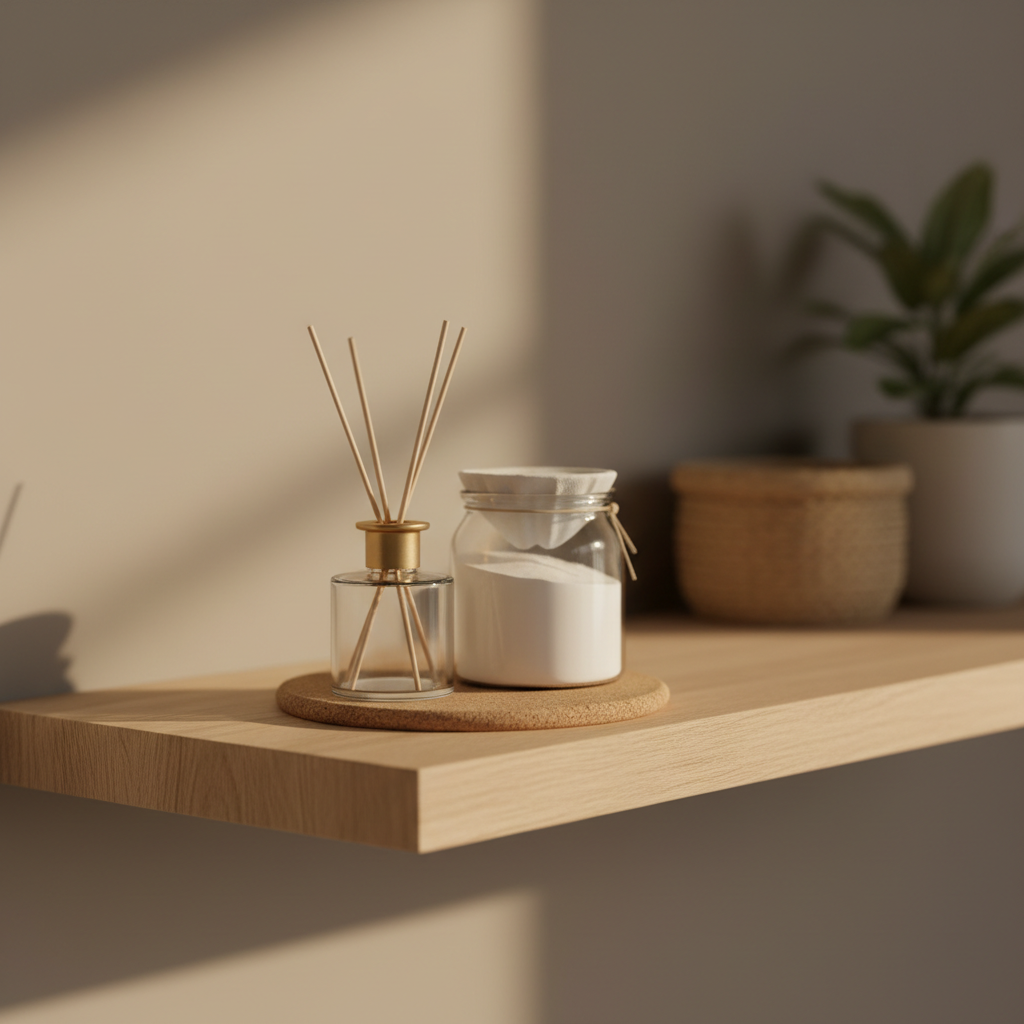
- What you need: small jar, baking soda, breathable cover (coffee filter or fabric), rubber band, essential oil (optional)
- Mix: 1/2 cup baking soda, optionally add 10–15 drops essential oil, stir
- Use: place on a shelf, swap every 2–4 weeks or sooner if odor returns
If you have pets that knock things over, choose a short, wide jar and place it inside a tray.
3) Reed diffuser (longer-lasting, low effort)
Reed diffusers are a practical “set it and forget it” option when you want a consistent background scent.
- What you need: small glass bottle, carrier oil (like safflower), optional alcohol, reeds
- Mix: 1/4 cup carrier oil, 15–30 drops essential oil, optionally 1–2 tsp alcohol
- Use: insert reeds, flip reeds after a day, then weekly
Heads-up: essential oils can stain surfaces, so keep the bottle on a coaster and away from painted trim.
Room-by-room: what to use in kitchen, bathroom, bedroom, and living areas
Most “DIY doesn’t work” complaints come from using the same recipe everywhere. Rooms behave differently.
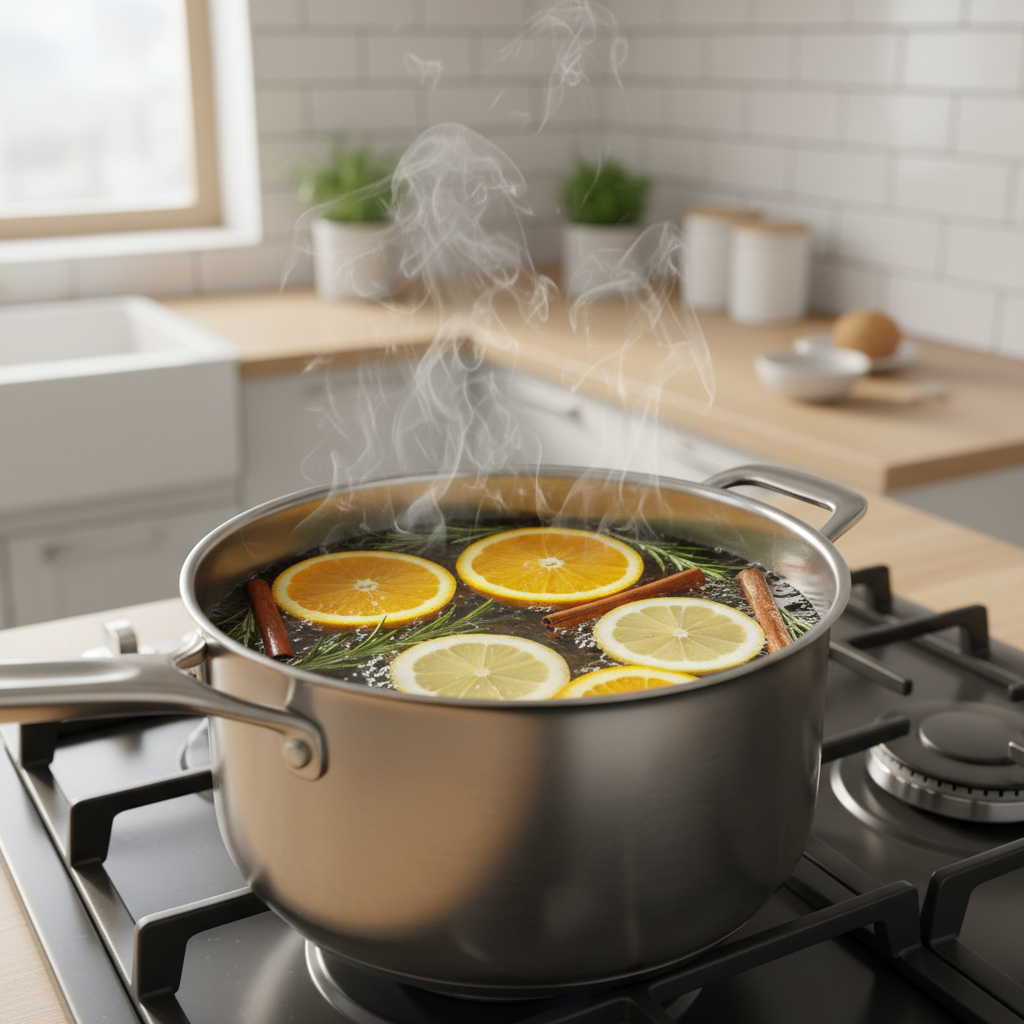
- Kitchen: simmer pot after cooking, plus an odor-absorbing jar near trash area. Citrus and herbs smell clean without feeling sweet.
- Bathroom: reed diffuser for steady scent, and a quick spray for after-use. If odors linger, check towels, fan use, and the trash can lid.
- Bedroom: keep it light, a linen spray misted into the air, not onto pillows. Lavender or chamomile often feels calmer, but sensitivities vary.
- Living room: reeds or a gentle spray. If you have upholstered furniture, vacuuming and fabric refreshers usually matter more than adding fragrance.
- Entryway: a baking soda jar is underrated here, it reduces “outside smell” without competing with everything else.
If you are trying to make homemade air fresheners for home that feel “clean,” aim for subtle and consistent rather than intense and occasional.
Ingredient guide and safety notes (especially with kids and pets)
This is where I get a bit opinionated: people tend to overdo essential oils. More drops rarely means “more luxury,” it often means headaches or irritation.
- Essential oils: can trigger sensitivities and may be risky for some pets, especially cats and birds. If you live with animals, consider using less, ventilating well, or choosing unscented odor control.
- Vinegar: useful for cleaning odor sources, but not great as a “fragrance” on its own. Let it dry fully, the smell usually fades.
- Alcohol: helps blending, but store away from heat and flames.
- Carrier oils: can go rancid over time, so make smaller batches and keep bottles away from direct sun.
According to ASPCA, certain essential oils can be problematic for pets, and reactions vary, so if you notice drooling, lethargy, or breathing changes, stop use and consider contacting a veterinarian.
A practical comparison table: pick a DIY format fast
Use this to decide what to make first, especially if you are stocking a new apartment or trying to simplify routines.
| Type | Best for | Pros | Watch-outs |
|---|---|---|---|
| Spray | Quick refresh, guests, cooking smells | Fast, adjustable, cheap | Short-lasting, can irritate if overused |
| Baking soda jar | Bathrooms, closets, trash area | Odor control, low scent | Needs replacing, spill risk if tipped |
| Reed diffuser | Steady background scent | Low effort, consistent | Oil stains, not great around curious pets |
| Simmer pot | Whole-home “fresh” feel | Cozy, natural aroma | Requires supervision, not for leaving unattended |
Step-by-step: build a simple “fresh home” routine that actually lasts
If you only make recipes without fixing odor sources, you will keep re-spraying forever. A routine keeps the work small.
- Day 1: identify the top odor zone, trash, sink drain, fridge, litter area, shoes, damp towels, and clean that source.
- Same day: add one passive option, like a baking soda jar in the problem area.
- Daily: quick ventilation, even 10 minutes helps in many homes.
- As needed: use a light spray after cooking or when the room feels stuffy.
- Weekly: flip reeds, wash throw blankets, empty small trash bins, and check hidden fabric hotspots.
Practical tip: keep one scent profile for shared spaces so the house smells cohesive, then go more personal in bedrooms.
Common mistakes that make DIY air fresheners disappointing
- Trying to mask mildew: if the smell is damp, find moisture, laundry, bathroom fan, under-sink leaks, basement corners.
- Using too much oil: stronger is not always better, it can feel “cloying” fast.
- Spraying fabrics blindly: oils can stain, and some materials hold scent in an unpleasant way.
- Skipping containers and labels: you will forget what’s inside, when you made it, and whether it still smells fresh.
- Ignoring ventilation: even the best DIY scent struggles in a closed, humid room.
When it’s worth getting extra help
If odors feel persistent or “chemical,” DIY fragrance may not be the right tool. You might need a deeper source check, like HVAC filters, carpet padding, wall moisture, or plumbing vents.
If anyone in the home has asthma, migraines, or fragrance sensitivity, it can be wise to keep scents minimal and discuss indoor air concerns with a qualified professional, especially if symptoms show up repeatedly.
According to CDC, improving indoor ventilation and reducing pollutant sources can help improve indoor air quality, and for some households that matters more than adding fragrance.
Conclusion: keep it simple, focus on sources, then add a light scent
Learning how to make homemade air fresheners for home is less about fancy ingredients and more about choosing the right format for the room, keeping scent levels reasonable, and handling the odor source first.
If you want an easy starting point, make one small spray bottle for quick refreshes, and one baking soda jar for steady odor control, then adjust from there based on what your home actually needs.
FAQ
- How long do homemade air fresheners usually last?
Sprays work for minutes to a couple hours, baking soda jars often need refreshing every few weeks, and reed diffusers can last a few weeks depending on airflow and oil mix. - Can I use homemade air freshener spray on couches or curtains?
Sometimes, but it’s easy to stain fabric with oils. If you try it, mist into the air first or do a small spot test in a hidden area. - What’s the easiest recipe for beginners?
A simple room spray with water, a small amount of alcohol, and optional essential oil is usually the least fussy and easiest to adjust. - Why does my DIY spray smell good at first, then weird later?
Oils can separate, and some ingredients age over time. Shake before use, make smaller batches, and store away from heat and sun. - Are essential oils safe around pets?
It depends on the pet and the oil. Cats and birds can be more sensitive, so many households use less fragrance, avoid diffusing continuously, and watch for any signs of irritation, a vet can advise for your situation. - How do I make my home smell clean without strong fragrance?
Start with ventilation and odor removal, then use a baking soda jar or activated charcoal, and finish with a very light spray only when needed. - What’s better for bathrooms, spray or reed diffuser?
Many people like reeds for consistent background scent and keep a spray for quick boosts, especially after use.
If you’re trying to make homemade air fresheners for home but keep getting inconsistent results, it may help to map odors room by room and choose one “base” solution plus one quick option, that approach stays simple and usually feels more livable.