
How to get rid of dust mites in bed naturally usually comes down to changing what you wash, how you dry, and how you control moisture around your mattress, not hunting for a “magic” spray.
If you wake up stuffy, itchy, or wheezy, your bed is a common suspect because mites feed on skin flakes and thrive in warm, humid fabric layers. The good news is you can often cut exposure a lot with a few habits that feel boring but work.
I’ll walk you through what dust mites actually need to survive, a quick self-check to see how “mite-friendly” your setup is, and practical steps you can do this week, plus when it’s worth calling in professional help.

Why dust mites love beds (and what “natural” really means)
Dust mites are microscopic relatives of ticks and spiders. You can’t “see” them, and you usually don’t need to kill every mite to feel better, you need to lower allergen load in the place your face spends 6–9 hours.
Here’s what makes a bed a great home for them:
- Food: shed skin cells (normal for everyone)
- Shelter: layered textiles (mattress, pillows, comforter, upholstered headboard)
- Humidity: moisture from breathing and sweating at night
- Temperature: warm indoor sleeping conditions
“Natural” approaches typically mean physical removal and environmental control, like hot washing, thorough drying, encasements, vacuuming with a sealed system, and humidity management, rather than relying on harsh pesticides around where you sleep.
According to the U.S. Environmental Protection Agency (EPA), indoor humidity control and source reduction are core strategies for managing dust mites and indoor allergens.
Quick self-check: how mite-friendly is your bed right now?
If you’re not sure where to start, this checklist helps you pick the highest-impact change. If you answer “yes” to several, your bed likely holds a bigger allergen reservoir.
- You wash sheets less than weekly
- Pillows are older than 2–3 years or feel clumpy
- No zippered mattress encasement or pillow encasements
- Bedroom humidity often feels muggy, or you live in a humid region
- You use a heavy comforter year-round and rarely dry it on high heat
- You have carpet in the bedroom and vacuum without a sealed/HEPA system
- Allergy symptoms are worse in the morning, or improve when you sleep elsewhere
If symptoms are significant or you have asthma, it’s smart to treat this as exposure reduction, not a one-time “deep clean.”
The natural plan that works: wash, heat-dry, encase, and dehumidify
This is the part people overcomplicate. For most homes, you get the biggest payoff from four levers, done consistently.
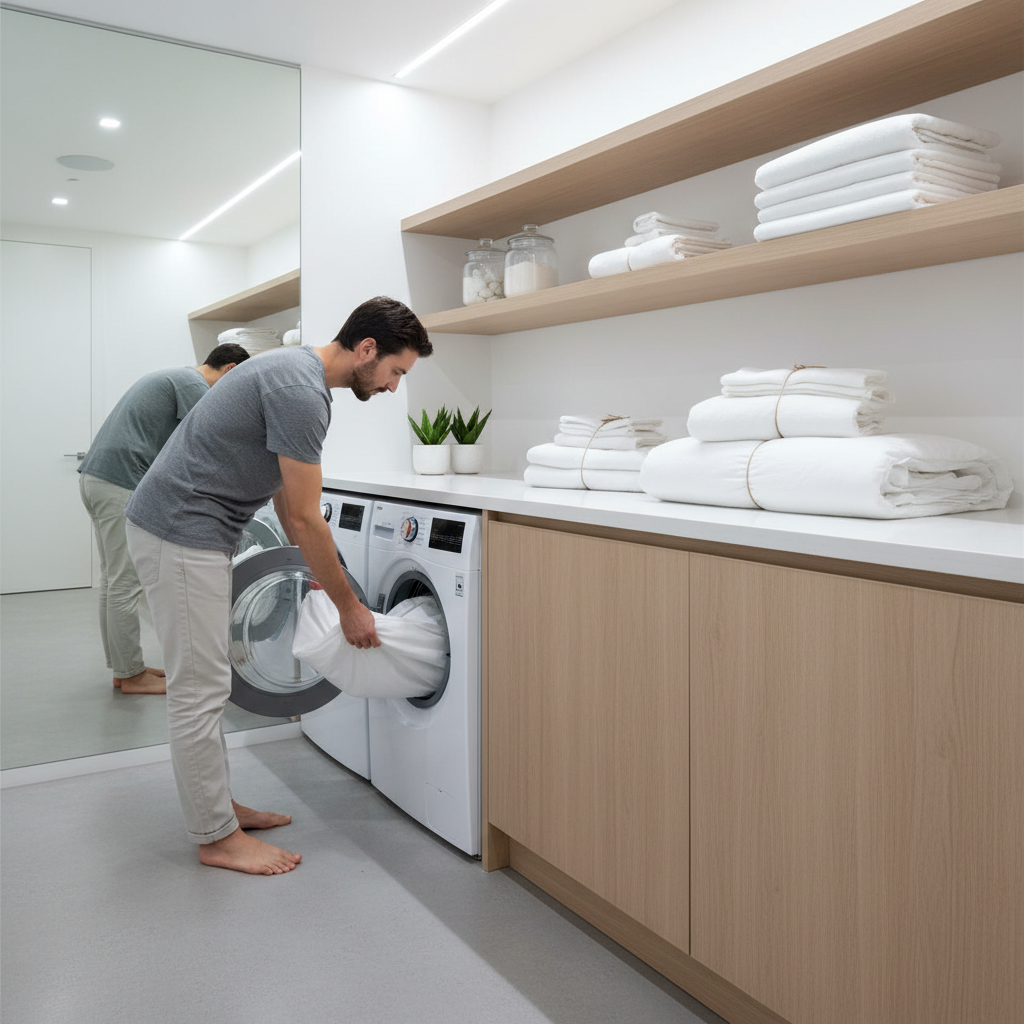
1) Wash bedding weekly with heat in mind
Wash the items that touch your skin and face most: sheets, pillowcases, and ideally the top blanket layer. Many guidelines focus on hot-water washing for mite control, but fabrics vary, so follow care labels and use heat where safe.
- Frequency: weekly is a solid baseline
- What matters most: thorough drying, because heat and dryness reduce viability and allergens on fabrics
- Don’t forget: throw blankets and decorative pillows that sit on the bed
2) Use allergen-proof encasements (this is the “unsexy” game changer)
A zippered encasement creates a barrier between you and what’s inside the mattress/pillow, where allergens accumulate over time. If you do only one purchase, many households start with the mattress encasement and then add pillows.
- Look for fully zippered encasements, not just a pad
- Choose breathable fabric if you sleep hot
- Wash encasements on the schedule recommended by the manufacturer
According to the American Academy of Allergy, Asthma & Immunology (AAAAI), environmental controls like encasing bedding are commonly recommended to reduce exposure to dust mite allergens.
3) Keep indoor humidity in check
Mites do better when humidity stays elevated. Many people clean aggressively but skip moisture control, then wonder why symptoms return.
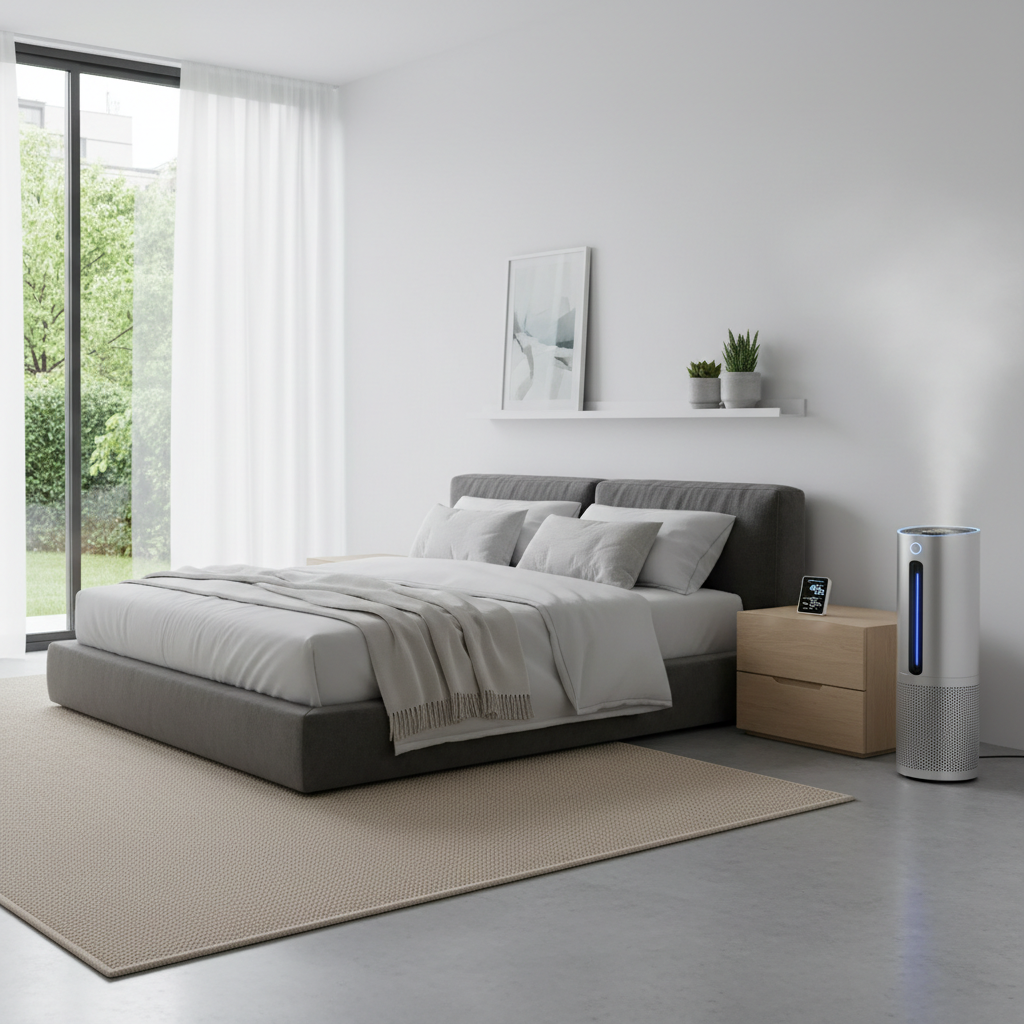
- Target range: many homes aim for around 30–50% indoor relative humidity, but comfort and local climate matter
- Run AC or a dehumidifier during humid months
- Fix obvious moisture issues: bathroom exhaust use, window condensation, damp basements
If you want a simple reality check, a cheap hygrometer can tell you whether you’re fighting an uphill battle.
4) Vacuum the mattress surface the right way (and don’t overpromise it)
Vacuuming can remove some surface dust and debris, but it’s not a complete solution because a lot of allergen sits deeper. If you do it, do it with decent equipment.
- Use a vacuum with HEPA filtration or a sealed system to avoid blowing allergens back out
- Vacuum seams and edges slowly
- Do it after you strip the bed, before you put clean bedding on
According to the EPA, HEPA filtration can help reduce exposure to airborne particles, though results vary depending on the source and the home setup.
Step-by-step: what to do today, this weekend, and monthly
If you’re trying to figure out how to get rid of dust mites in bed without turning it into a lifestyle project, this pacing works for most people.
Today (30–60 minutes)
- Strip the bed, wash sheets and pillowcases
- Dry thoroughly on a heat setting appropriate for the fabric
- Vacuum the mattress surface and seams if you have a sealed/HEPA vacuum
- Remove extra throw pillows/blankets you don’t wash often
This weekend (the “reset”)
- Add a zippered mattress encasement and pillow encasements
- Wash the comforter/duvet cover, or switch to a washable top layer
- Check bedroom humidity and set a plan: AC, dehumidifier, or ventilation
Monthly (maintenance that sticks)
- Wash blankets and the less-used bed layers
- Inspect encasement zippers for gaps or tears
- Re-check humidity as seasons change
Natural methods ranked by effort vs impact (table)
Not everything deserves your time. Here’s a practical way to prioritize, especially if allergies are mild to moderate.
| Method | Effort | Likely impact | Best for |
|---|---|---|---|
| Weekly wash + thorough drying | Medium | High | Most households |
| Zippered mattress & pillow encasements | Low (once set) | High | Morning allergy symptoms, older mattress |
| Humidity control (30–50% range) | Medium | High | Humid climates, muggy bedrooms |
| HEPA/sealed vacuuming of mattress | Low–Medium | Medium | Layered textiles, visible dust |
| Sunlight/airing out bedding | Low | Low–Medium | Extra boost, not a main fix |
Common mistakes that keep dust mites coming back
Most “I tried everything” stories have the same few gaps.
- Washing without fully drying: leaving fabrics even slightly damp can keep humidity high in bedding layers
- Skipping the mattress barrier: you can wash sheets weekly and still sleep on a long-term allergen reservoir
- Overusing fragranced sprays: they may irritate airways and don’t replace physical removal
- Cleaning everything except the room climate: if humidity stays high, you’re pushing a boulder uphill
- Ignoring pillows: old pillows can hold a lot of allergen relative to their size
Also, if you’re swapping products constantly, it becomes hard to tell what actually helped. Pick a simple routine and run it for a few weeks.
When to consider professional help (and what to ask)
If symptoms are persistent, severe, or tied to asthma, you may want medical guidance. A clinician can help you separate dust mite allergy from other triggers like pets, mold, or seasonal pollen.
- If you have wheezing, frequent nighttime coughing, or asthma flare-ups, consult a healthcare professional
- If the bedroom has damp odors, visible mold, or repeated condensation, consider a qualified indoor air or remediation professional to assess moisture sources
- If you rent, it may be worth documenting humidity or moisture issues and discussing building-level fixes
According to the Centers for Disease Control and Prevention (CDC), people with asthma should pay close attention to indoor triggers, and professional care can help tailor a safer management plan.
Key takeaways
- Focus on exposure reduction, not “total elimination.”
- Weekly laundering plus thorough drying is a reliable baseline.
- Encasements block allergens from older mattresses and pillows.
- Humidity control often decides whether your results last.
- If breathing symptoms escalate, bring in a clinician or qualified pro.
Conclusion: a simple routine beats a perfect one
If your goal is how to get rid of dust mites in bed naturally, the most realistic win is building a routine you’ll actually keep, weekly wash and dry, barrier covers, and humidity that stays reasonable. Do those three well and you’ll usually notice the bed feels “lighter” on your sinuses, even if the rest of the home stays imperfect.
Pick one action for today, then schedule the weekend reset, your future self will thank you the next time allergy season hits.
FAQ
- How long does it take to notice improvement after reducing dust mites?
Many people notice changes within a couple of weeks if they’re consistent, especially with weekly laundering and adding encasements. If symptoms don’t shift, another trigger may be involved. - Do essential oils get rid of dust mites in bed?
Some products claim benefits, but results can be inconsistent and fragrances may irritate sensitive airways. For most households, physical steps like washing, drying, and encasing are more dependable. - Can I get rid of dust mites without washing in hot water?
Often you can still make progress by washing on the warmest safe setting for the fabric and focusing on thorough drying, plus encasements and humidity control. Care labels matter, so don’t ruin your bedding chasing a number. - Should I replace my mattress if I have a dust mite allergy?
Not always. A good zippered encasement can reduce exposure significantly, even on an older mattress. Replacement may make sense if the mattress is also worn out or has moisture damage. - Is it better to vacuum or steam-clean a mattress for dust mites?
Vacuuming with a sealed/HEPA system is a practical maintenance step. Steam can introduce moisture if not done carefully, which may backfire in humid homes, so use caution and consider professional guidance. - What humidity level helps reduce dust mites?
Many homes aim for roughly 30–50% relative humidity, but comfort and climate vary. If your bedroom stays muggy, a dehumidifier or AC can be a bigger lever than extra cleaning. - How do I know if my morning symptoms are from dust mites or something else?
If symptoms are worse right after waking and improve during the day or when you sleep elsewhere, mites are a reasonable suspicion. Still, pollen, pets, and mold can look similar, so consider an allergy evaluation if you’re unsure.
If you’re trying to simplify how to get rid of dust mites in bed without buying ten different products, a practical approach is starting with encasements plus a weekly wash-and-dry routine, then adding a humidity tool if your climate fights you. If you want, tell me your bedding materials and your typical indoor humidity, and I can suggest a tighter, low-effort checklist.