
Best fabric shower curtain liners are usually the sweet spot if you want the softer look of fabric without living with a soggy, mildew-prone mess.
Most people aren’t actually shopping for “fabric” as a vibe, they’re trying to solve three daily annoyances: water that escapes the tub, a liner that clings to you mid-shower, and that musty smell that shows up faster than it should.
This guide breaks down what makes a fabric liner truly water repellent, what features matter in real bathrooms, and how to pick one that holds up without turning into a laundry chore.

What “water repellent” really means for a fabric liner
With fabric liners, “water repellent” typically means the textile has a finish or backing that helps water bead and run off instead of soaking in. It’s not the same as “waterproof,” and in many households that distinction matters.
- Water-repellent fabric: sheds splashes and steam condensation better, but can still absorb some moisture over time.
- Waterproof fabric (often PEVA/EVA or heavy coating): blocks water more completely, but can feel more like plastic and may trap moisture if airflow is poor.
In a typical tub-shower setup, a water-repellent fabric liner works well when you already have decent ventilation and you’re not blasting water directly at the curtain all shower long.
According to the U.S. Environmental Protection Agency (EPA), controlling moisture and improving ventilation are key steps to limit mold growth indoors, so your liner choice and bathroom airflow work as a pair.
Common reasons fabric liners fail (and how to avoid them)
People blame the liner, but a lot of “bad liner” complaints come from a mismatch between the liner type and the bathroom reality.
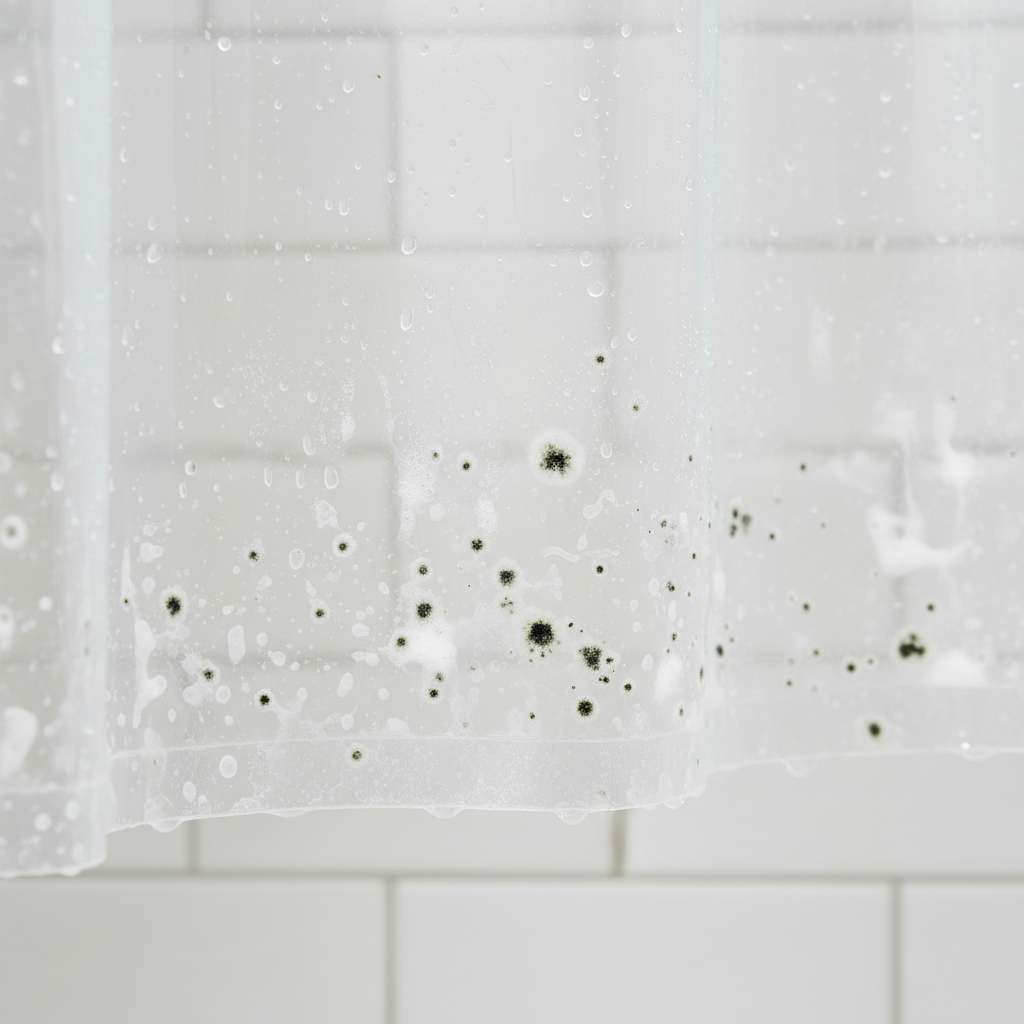
- Low airflow: a liner that stays damp for hours invites mildew spots, even if it started as water repellent.
- No weights or weak magnets: the bottom lifts, water escapes, and the liner ends up wetter than needed.
- Wrong length: too long puddles on the floor, too short lets water hit the outer curtain and wick down.
- Hard water and soap scum: buildup breaks down repellency and makes fabric look dingy.
Also, some “fabric” liners are really just thin polyester with a light coating. They can work, but if your shower runs hot and steamy every day, you may want a heavier fabric or a true waterproof option.
Quick self-check: which liner type fits your bathroom?
If you answer these honestly, you’ll narrow the field fast.
- Your bathroom fan works well and you use it (or you crack a window): a water-repellent fabric liner is usually enough.
- You get recurring mildew on grout or caulk: consider a liner with a stronger barrier, plus address ventilation and drying habits.
- Kids or handheld sprayers blast water sideways: prioritize weights/magnets and a more robust coating.
- You hate laundry upkeep: pick a liner marketed as machine washable and quick-dry, and plan to rinse/wipe weekly.
- You use an outer decorative curtain: a fabric liner can look cleaner and drape better than plastic.
Many shoppers looking for the best fabric shower curtain liners are really choosing between “easy to clean” and “stays dry fast,” because rarely do you get both without some trade-offs.
Comparison table: features that matter (and what to look for)
Product listings can be vague, so here’s how the features translate into day-to-day performance.
| Feature | Why it matters | What to look for |
|---|---|---|
| Fabric type | Affects drying speed, feel, and durability | Polyester (common), polyester with coating, or fabric with waterproof backing |
| Water-repellent finish | Helps water bead instead of soaking in | “Water repellent,” “coated,” or “treated” plus care instructions that preserve coating |
| Weighted hem | Reduces billowing and keeps liner in the tub | Sewn-in weights, heavier bottom band |
| Magnets (for metal tubs) | Helps seal liner against tub wall | Multiple strong magnets; if your tub is fiberglass, magnets won’t help much |
| Grommets / reinforced holes | Prevents tearing at the top | Rust-resistant grommets or stitched reinforcement |
| Machine washable | Makes upkeep realistic | Clear washing temp, no-fuss instructions, quick-dry claims that match reviews |
How to choose the best fabric shower curtain liners (step-by-step)
Here’s a simple way to decide without overthinking it.
Step 1: Start with size and setup
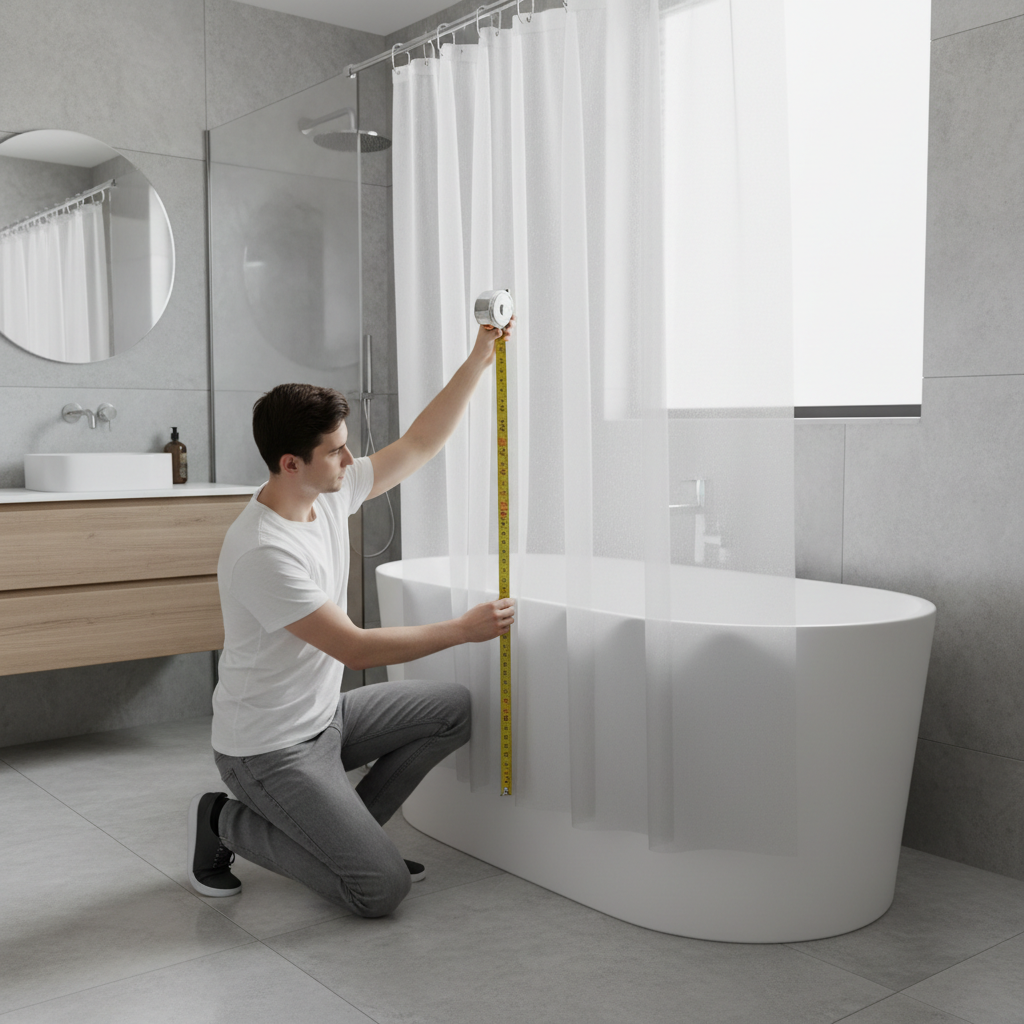
- Standard tubs often use 70–72 inch width and 70–72 inch length, but measure because rods and ceiling heights vary.
- Bottom edge should sit inside the tub and hover above the floor, not pool on it.
Step 2: Pick your “repellency level” based on your reality
- Moderate steam, decent fan: coated polyester fabric is a practical middle choice.
- High steam, frequent mildew: look for a liner with a stronger waterproof backing, and plan for more frequent cleaning.
- Style-first guest bath: a drapier fabric liner can look nicer, because it hangs more like a curtain.
Step 3: Don’t skip the bottom hem details
A weighted hem sounds minor, but it’s the feature people notice every day. If the liner hugs the tub and stops ballooning, you’ll feel like you upgraded your whole shower setup.
Step 4: Check cleaning instructions before you buy
If a listing says “easy care” but doesn’t specify machine washing, drying method, or whether bleach is allowed, assume you’ll need gentler care to avoid ruining the coating.
Care tips that keep fabric liners water repellent longer
A lot of liners “stop working” because the repellency gets clogged with residue, not because the fabric is inherently bad.
- After shower: pull the liner mostly closed so it can drip-dry evenly, and run the fan long enough to clear steam.
- Weekly: quick rinse with warm water, or wipe the lower third where soap scum collects.
- Monthly (or as needed): machine wash if permitted, using mild detergent, and skip heavy fabric softener since it can reduce water-shedding.
- Drying: air-dry is often safer for coatings; if you use a dryer, keep heat low if the label allows it.
For persistent mildew, many people reach for bleach. That can work in some cases, but it can also damage coatings and stitching, so follow the label and consider testing a small area first. If you have respiratory sensitivities, it may be worth asking a professional for safer cleaning options.
Key takeaways (so you don’t overbuy)
- “Water repellent” is not the same as waterproof, and the right pick depends on steam and ventilation.
- Weighted hems and reinforced holes often matter more than fancy marketing terms.
- Soap scum kills performance; simple routine care keeps a liner looking newer.
- If mildew keeps returning, it’s usually a moisture management issue as much as a liner issue.
Conclusion: what to buy and what to do next
If you want the “fabric look” without constant dampness, start by choosing a coated fabric liner with a weighted hem, then match it to your bathroom’s ventilation habits. In many homes, that combination gets you most of the benefits people expect from the best fabric shower curtain liners, without the frustration.
Your next move can be simple: measure your tub and rod today, then pick a liner with clear care instructions and a bottom hem that stays put. If mildew has been a repeating problem, prioritize airflow and drying routine alongside the liner.
FAQ
What is the difference between a fabric shower curtain and a fabric liner?
A fabric curtain is usually decorative and sits on the outside, while a fabric liner sits inside the tub area to handle splashes. Some products can do both, but liners are typically treated or coated for better water resistance.
Are fabric shower curtain liners really better than plastic?
They can be, especially for drape and look. But if your bathroom stays damp for long periods, a plastic or truly waterproof liner may be easier to manage, even if it feels less “premium.”
How do I know if a fabric liner is actually water repellent?
Look for specific wording like “water repellent” or “coated,” plus realistic care directions. If the listing only says “polyester” with no mention of treatment, it may absorb more water than you want.
Why does my liner still get mildew if it’s water repellent?
Water repellency helps, but mildew often grows from leftover residue and moisture that lingers in folds. Improving drying time, wiping buildup, and running the fan longer usually makes a bigger difference than switching brands again.
Can I wash fabric shower curtain liners in the washing machine?
Many are machine washable, but not all. Follow the label for water temperature and drying method, because high heat or harsh chemicals can reduce the coating’s performance.
Do magnets work on all tubs?
Not always. Magnets help most with metal tubs; with fiberglass or acrylic surrounds, you may get little benefit. In that case, a heavier weighted hem often does more.
What length should a shower curtain liner be?
In many standard setups, 70–72 inches works, but measure your rod height and tub edge. You want it inside the tub and not dragging on the floor, since pooling water can cause odors and staining.
If you’re trying to pick a fabric liner that stays water repellent without a lot of trial and error, it can help to narrow choices by your bathroom’s ventilation, tub material, and how much cleaning you’re realistically willing to do each month, that shortlist usually makes shopping faster and less annoying.