
How to arrange living room furniture for flow comes down to one thing: you’re designing clear walking paths first, then building a comfortable conversation area around them.
If your living room feels cramped, people bump into corners, or the sofa seems “in the way” no matter where it goes, it’s usually not a furniture problem, it’s a circulation problem. Flow is what makes the same square footage feel open and easy.
This guide walks you through quick measurements, common layout patterns, and practical fixes for real rooms, including rentals and open-concept spaces. You’ll also get a simple checklist, a planning table, and a few “don’t waste your time” warnings.
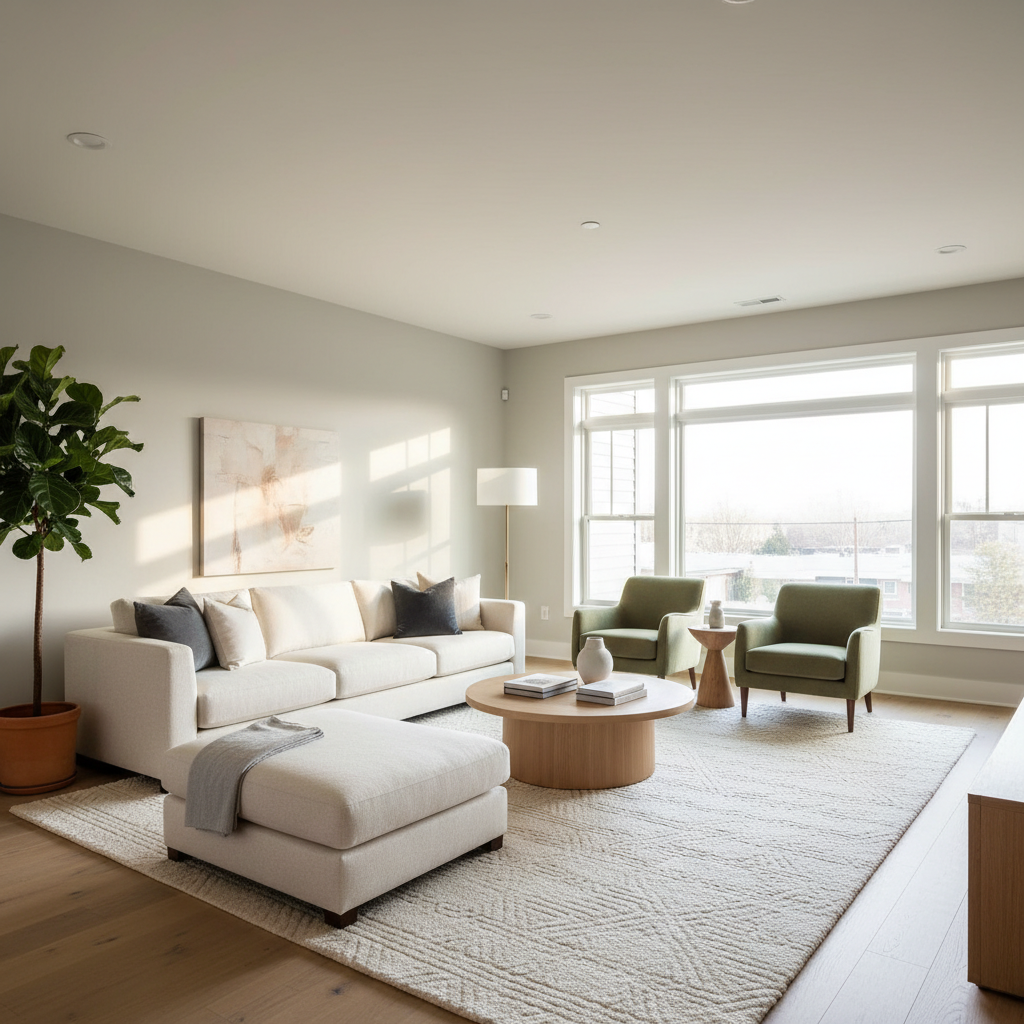
Start with flow: the three paths that matter
Before you “decorate,” decide how people move. In many homes, three paths compete with each other, and furniture ends up blocking at least one.
- Entry path: front door or hallway into the room
- Daily-use path: to the kitchen, stairs, patio door, or bedroom hall
- Comfort path: where you walk to sit down, stand up, and reach side tables
A good rule of thumb is to keep main walkways comfortably open. If your room is tight, you can still make flow work, you just have to be consistent and avoid “pinch points,” like the corner of a coffee table pressed into a walkway.
According to the National Kitchen & Bath Association (NKBA)... clearances and circulation planning are central to functional spaces, and that same idea applies in living rooms: prioritize movement, then place furniture.
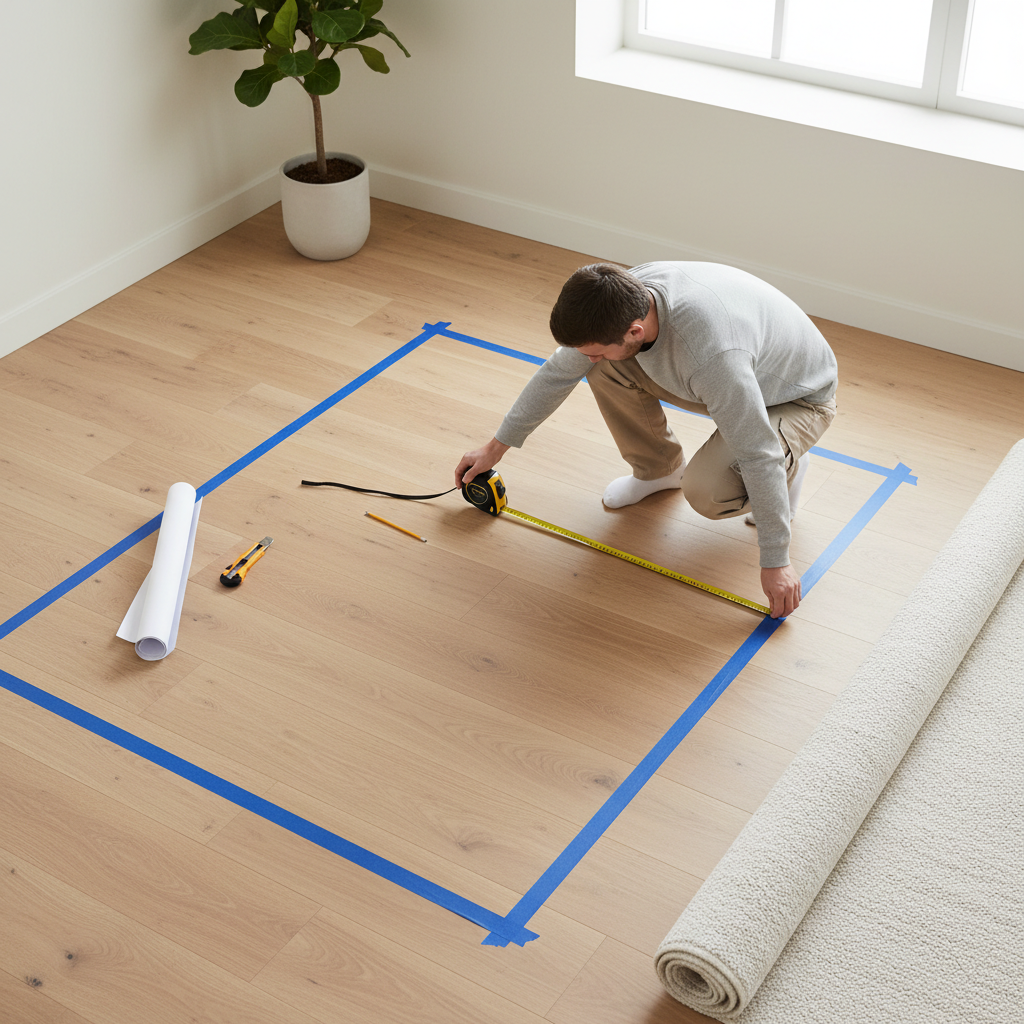
Measure fast (without turning it into a weekend project)
You don’t need a perfect floor plan, but you do need a few numbers to avoid the classic mistake: choosing a layout that only works in your head.
Quick measuring checklist
- Room length and width (wall to wall)
- Door swings and doorways you can’t block
- Window and vent locations (especially floor vents)
- TV width (or fireplace width) and viewing distance preference
- Main furniture footprint: sofa length/depth, chair depth, rug size
Then mark “no-go zones” first: door swing arcs, HVAC returns, and any walkway that must stay open because it connects key rooms.
Common layouts that create natural movement (and when to use them)
Most living rooms fall into a few workable patterns. Picking the closest match saves time, and it keeps you from forcing a showroom layout into a real house.
1) Floating seating group (best for open concept)
Sofa and chairs sit away from the walls, usually anchored by a rug. This creates a “room within a room” and leaves a clean path behind the sofa.
- Works well when you need a walkway to a dining area or kitchen
- Needs a rug large enough that at least front legs of seating sit on it
2) Sofa facing focal point (best for TV-first homes)
Sofa faces TV or fireplace, chairs angle in. The key is keeping side access so people don’t have to cut between the TV and the seating.
- Keep the primary walkway behind seating or along one side
- Use swivel chairs if you want TV + conversation flexibility
3) L-shape or sectional layout (best for family lounging)
Sectionals can be great for flow, or they can kill it. The difference is whether the chaise blocks the room’s natural entrance line.
- Place the chaise where it doesn’t create a bottleneck
- If it must face a walkway, use a smaller coffee table or ottoman
A simple self-check: what type of flow problem do you have?
If you’re stuck, this quick diagnosis usually points to the right fix.
- You “clip” furniture corners while walking: your walkway is too narrow or the coffee table is oversized
- People sit, then immediately stand again: seating feels exposed or too far apart for conversation
- The room feels like a hallway: furniture is hugging walls, leaving a big empty center with no purpose
- TV watching feels uncomfortable: viewing distance, glare, or angle is off
- It only works when nobody’s using it: there’s no landing spot for drinks, remotes, or bags
Once you know which one is true, you can stop rearranging randomly and make one targeted change at a time.
Practical steps: how to arrange your living room furniture for flow
This is the process that tends to work in most American living rooms, including rentals where you can’t move lighting or add built-ins.
Step 1: Establish the focal point (but don’t worship it)
Pick the dominant focal point: TV, fireplace, big window view, or a conversation grouping. Many rooms can handle two, but one should “win” so seating isn’t pulled in competing directions.
Step 2: Place the largest piece first
Your sofa (or sectional) determines the circulation. If you’re unsure, start by floating it slightly off a wall and see whether it improves the main path. In tight rooms, even 3–6 inches off the wall can make the layout feel more intentional.
Step 3: Build a conversation distance
A layout can look pretty and still feel awkward if chairs are too far to talk. Aim for a grouping where people can talk without raising voices, and where you can reach a table without leaning across the room.
Step 4: Choose the right table strategy
- Small room: round coffee table or nesting tables reduce bruised shins and sharp corners
- Kid/pet traffic: upholstered ottoman (with a tray) can be more forgiving
- Long sofa: consider two smaller tables instead of one oversized rectangle
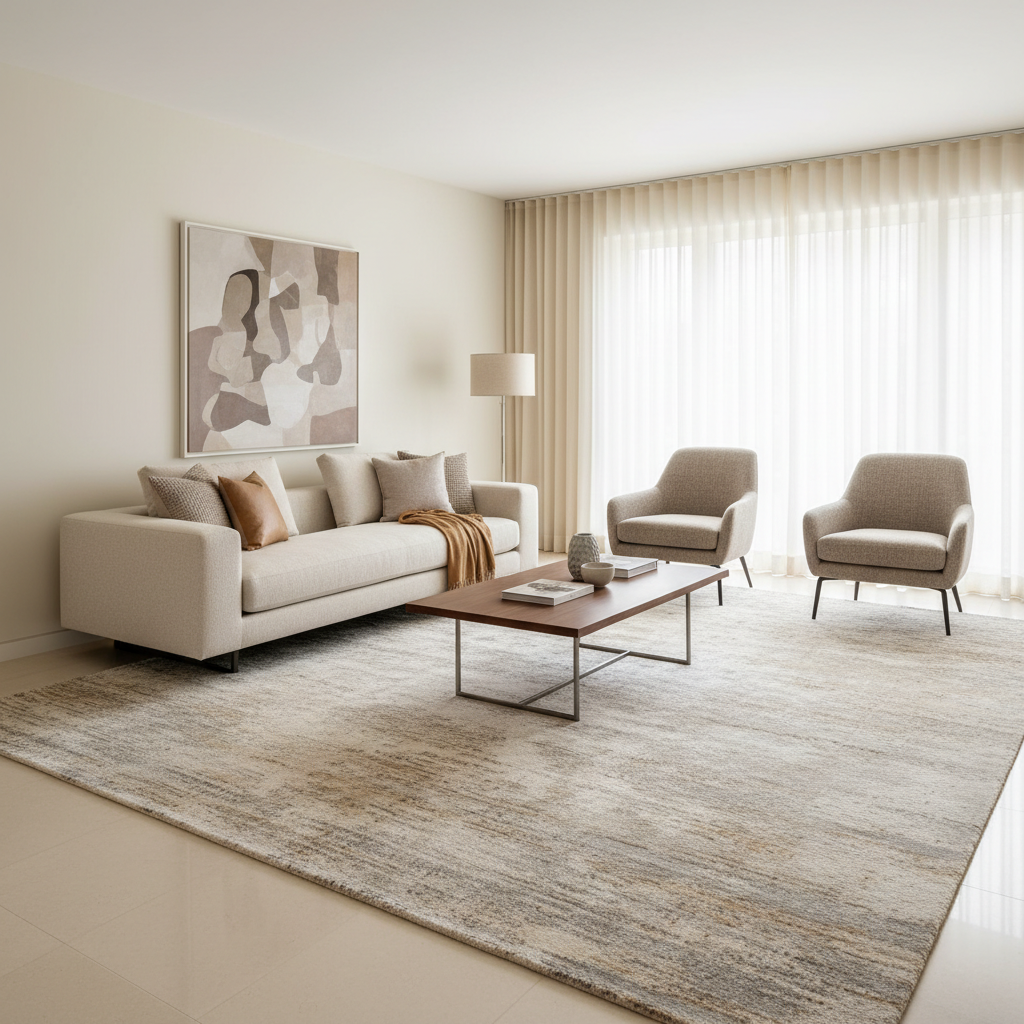
Step 5: Anchor with a rug (or skip it intentionally)
Rugs are less about style and more about zoning. If the rug is too small, it visually shrinks the seating area and makes the center feel “floaty.” If you truly hate rugs, commit to that choice and use consistent furniture spacing so the zone still reads clearly.
Use this table to pick spacing that feels comfortable
Numbers vary by room and furniture shape, but these ranges are a reliable starting point for flow. If your space is small, stay toward the lower end and prioritize the main walkway.
| What you’re spacing | Comfortable starting range | Why it matters for flow |
|---|---|---|
| Sofa to coffee table | 14–18 inches | Easy to reach drinks, still room for knees |
| Primary walkway width | 30–42 inches | Reduces bottlenecks and “squeezing through” |
| TV viewing distance | Varies by screen size | Affects comfort more than most people expect |
| Chair-to-chair conversational distance | 3–8 feet | Keeps the seating group socially usable |
For TV distance specifically, check your TV manufacturer guidance since recommendations can differ by resolution and personal comfort.
Common mistakes that quietly ruin flow
- Everything against the wall: it can create a “dance floor” center that nobody uses, while paths still feel tight near doors
- Oversized coffee table: people start walking around it like it’s a boulder, and the room feels smaller
- Rug too small: makes furniture look scattered, which reads as clutter even when the room is tidy
- No landing zones: no side table, no console, nowhere to put a drink, so people improvise and the room feels messy
- Blocking vents or returns: comfort can drop, and in some homes it may stress HVAC performance; if unsure, ask a pro
One more that’s surprisingly common: arranging purely for symmetry. Symmetry looks calm in photos, but real rooms have doors, hallways, and daily routines that don’t care about symmetry.
Key takeaways (so you can act today)
- Map your walkways before you commit to any layout.
- Place the sofa first, then build the seating group around comfort and reach.
- Fix pinch points with smaller tables, round shapes, or by rotating one piece.
- Use a rug to zone open spaces, especially when furniture floats.
If you want one small action that often changes everything: move the coffee table out, walk the room, then bring it back only if it fits without forcing detours.
Conclusion: aim for “easy,” not perfect
When you’re figuring out how to arrange living room furniture, chasing the perfect layout can keep you stuck. A room with clear paths, a comfortable conversation zone, and a couple of practical landing spots already has good flow, even if it’s not magazine-symmetrical.
Pick one layout pattern that matches your room, test it for two or three days, and adjust one variable at a time, coffee table size, chair angle, or walkway width. That’s usually when it clicks.
FAQ
- How do I arrange living room furniture for flow in a small apartment?
Start by protecting one main walkway, then use compact pieces: a loveseat, armless chairs, or nesting tables. In many small rooms, a round coffee table helps more than you’d think. - Should furniture touch the walls or float?
It depends on your circulation. Floating often improves flow in open concept spaces, but tight rooms sometimes need a wall-hugging sofa. If you keep it against the wall, give the seating zone purpose with a rug and tight table placement. - Where should I put the TV for best flow?
Place it where cords and glare are manageable and where seating doesn’t cut across walkways. If the “best wall” forces people to walk in front of the screen, consider shifting the seating group instead of forcing the TV placement. - How far should a sofa be from the coffee table?
A practical starting point is around 14–18 inches, then adjust based on legroom and how often people pass through that area. - What if my living room has multiple doors?
Treat it like a circulation puzzle: keep the door-to-door path clear, then build your seating zone off to one side or float it so the walkway runs behind the sofa. - How do I make an open concept living room feel defined?
Use a rug and a console table behind the sofa to create a visual boundary. Lighting helps too, a floor lamp or two can “cap” the zone without adding walls. - Is it okay to block a floor vent with furniture?
Many homeowners try to avoid it because it can reduce comfort and may affect airflow. If your layout options are limited, consider asking an HVAC professional what’s safe for your setup.
If you’re trying to make a tricky room feel less cramped, a quick win is sketching two layout options and choosing the one with the cleanest walkway, even before you think about decor, it’s a more reliable way to get flow without buying new furniture.