
Best storage bins for closet organization are the ones that fit your shelves, match what you store, and stay easy to use when you’re in a hurry on a Monday morning. If you’ve ever bought a “perfect” bin set only to realize the lids don’t stack, the handles snag, or the sizes waste half a shelf, you already know the pain.
Closets and garages look similar on Pinterest, but they behave differently in real life. Closets punish you for wasted inches and poor visibility, garages punish you for weak plastic and flimsy latches. Pick the wrong bin and you’ll reorganize again in three months, not because you’re messy, but because the system fights you.
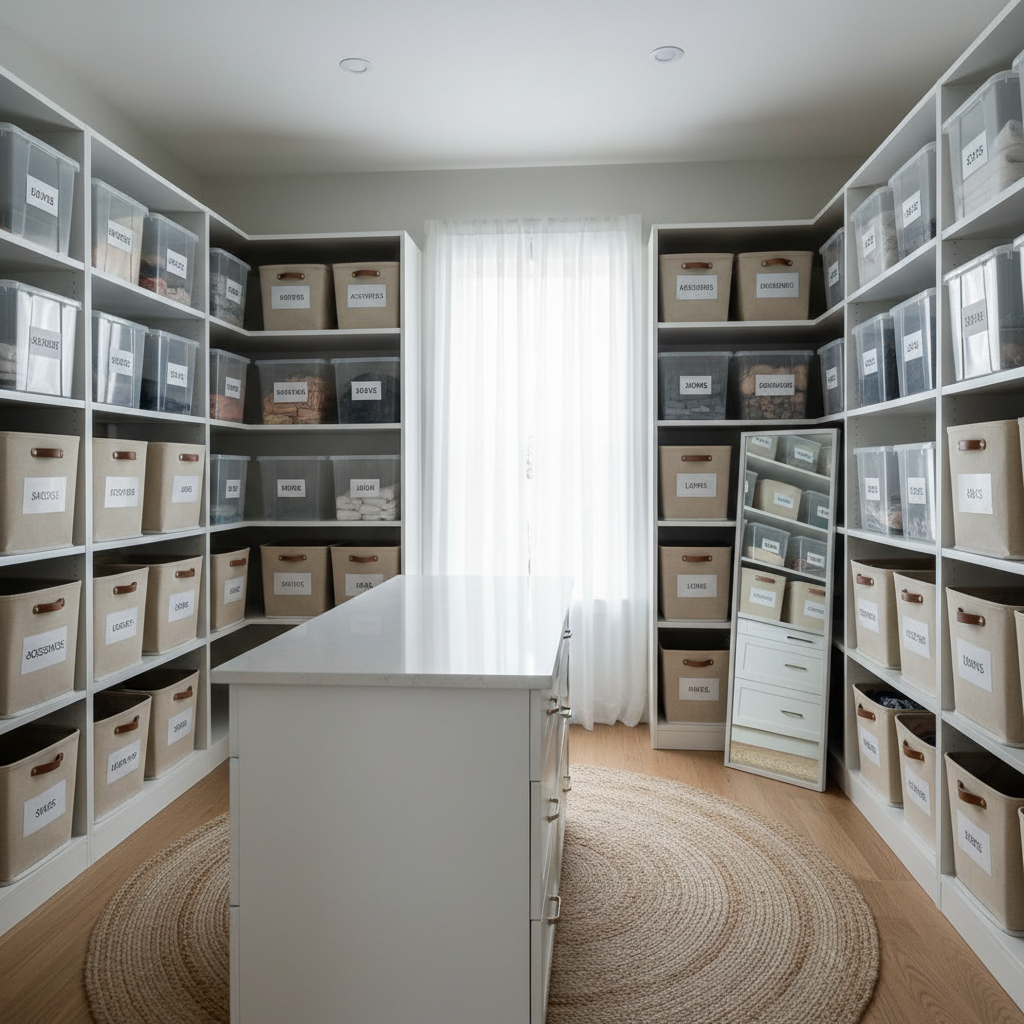
This guide helps you choose bins that actually work: what to buy for shelves vs hanging space, which materials hold up in a garage, and how to measure so your “uniform look” does not turn into a mismatched pile of returns.
What makes a storage bin “best” for closets vs garages
Before brands and aesthetics, get the fundamentals right. Most frustrations come from a mismatch between bin design and where it lives.
- Closets need access and visibility: front-open designs, clear walls, label windows, and consistent footprints matter more than heavy-duty walls.
- Garages need durability: thicker plastic, reinforced corners, weather resistance, and latching lids often matter more than looks.
- Shelf math beats wishful thinking: bins should “tile” your shelf width and depth without awkward gaps.
- Real use patterns: if you grab items weekly, avoid bins that require unstacking to open.
According to OSHA, good housekeeping and keeping storage areas orderly helps reduce slip, trip, and fall hazards in work areas. A home garage isn’t a jobsite, but the principle carries over: stable stacking and clear walkways tend to prevent headaches.
Quick self-check: which bin type fits your space and habits
If you want one decision that saves time, this is it: match the bin style to the way you move through the space.
Choose by access style
- Front-open bins: best when bins are stacked or on high shelves and you still want quick access.
- Open-top totes: good for bulky items you toss in and out, less ideal for dust-prone areas.
- Lidded stacking bins: good for long-term storage, seasonal items, and garages, but can slow you down for daily use.
- Drawer-style clear bins: great for small items and visibility, but check weight limits and rail quality.
Choose by what you store
- Clothes, linens, accessories: fabric or clear closet bins, ideally in “shelf-friendly” sizes.
- Kids gear, sports items: larger handled bins, labels, and a consistent “return spot.”
- Tools, auto supplies: rugged latching totes, avoid thin walls that bow when lifted.
- Holiday decor: long shallow totes for wreaths, extra-long bins for wrapping paper, sturdy lids for stacking.
Materials and features that matter (and when they don’t)
Material choice is where many people overspend or underbuy. A closet bin that looks premium can still be annoying, while a basic clear tote can be perfect if it fits your shelf and routine.
- Clear plastic (PET/PP): usually great for closets because you can see contents, just check for yellowing risk and lid fit.
- Fabric bins: softer look, quieter, and often lighter; avoid for damp garages or where pests might be a concern.
- Heavy-duty polypropylene totes: typical “garage totes,” good impact resistance; pay attention to latch quality.
- Wire bins: good airflow for pantry-style closet storage, but small items need pouches or smaller bins inside.
- Vacuum bags (not a bin, but relevant): helpful for seasonal textiles; use inside a bin if you want stack stability.
Feature-wise, a few are worth paying for: comfortable handles, lids that don’t pop off under pressure, and a shape that stacks without wobble. Wheels can be useful, but in a closet they often waste vertical space.
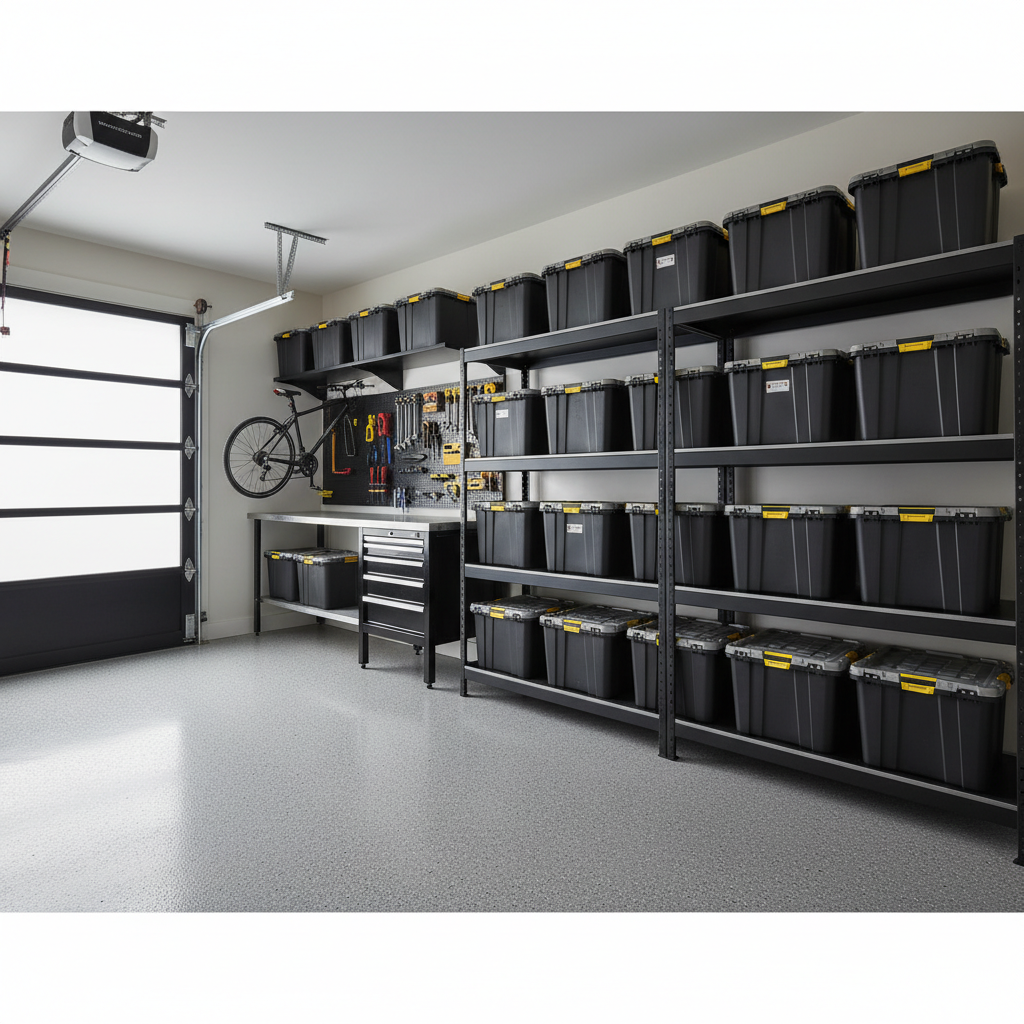
If your garage has major temperature swings, avoid brittle plastics and inspect lids and latches more often. If you store chemicals, follow the product label directions and consider asking a safety professional if you’re unsure about compatibility or ventilation.
Buying guide table: best bin styles by use case
Here’s the practical cheat sheet most people want. Use it to narrow choices quickly, then measure before you buy.
| Use case | Best bin style | Why it works | Watch-outs |
|---|---|---|---|
| Everyday closet shelves | Clear lidded or open-front bins | Visibility + easy grab | Lids can add height, check clearance |
| Top shelf “seasonal” | Lidded stacking bins | Dust protection + stable stacks | Too tall wastes space, measure first |
| Kids rooms / toy closets | Handled open bins or cubes | Fast clean-up, simple categories | Open tops collect dust |
| Garage shelving | Heavy-duty latching totes | Durable, safer stacking | Cheap latches fail under load |
| Small parts (hardware/crafts) | Drawer-style organizers | Prevents “junk bin” effect | Lightweight units tip if overloaded |
| Awkward items (gift wrap, wreaths) | Specialty long or shallow bins | Stops crushing and bending | Storage footprint can be annoying |
How to measure so bins fit (and look intentional)
Most “best storage bins for closet organization” lists skip this, but measurement is where success happens. You’re not shopping for bins, you’re buying a grid system that should repeat cleanly.
A quick measuring method that avoids regret
- Measure shelf depth and subtract about 1 inch so bins don’t scrape the wall or door.
- Measure shelf width, then decide how many bins you want per shelf (2, 3, or 4 is usually easiest).
- Confirm usable height: include the lip of the shelf above, closet rod clearance, and lid height.
- Pick one “standard footprint” and stick to it, then add 1–2 specialty bins for odd items.
A small tip that feels obvious after you’ve been burned once: if a bin tapers sharply toward the bottom, you lose usable volume and the stack can feel less stable. Slight taper is normal, heavy taper gets annoying.
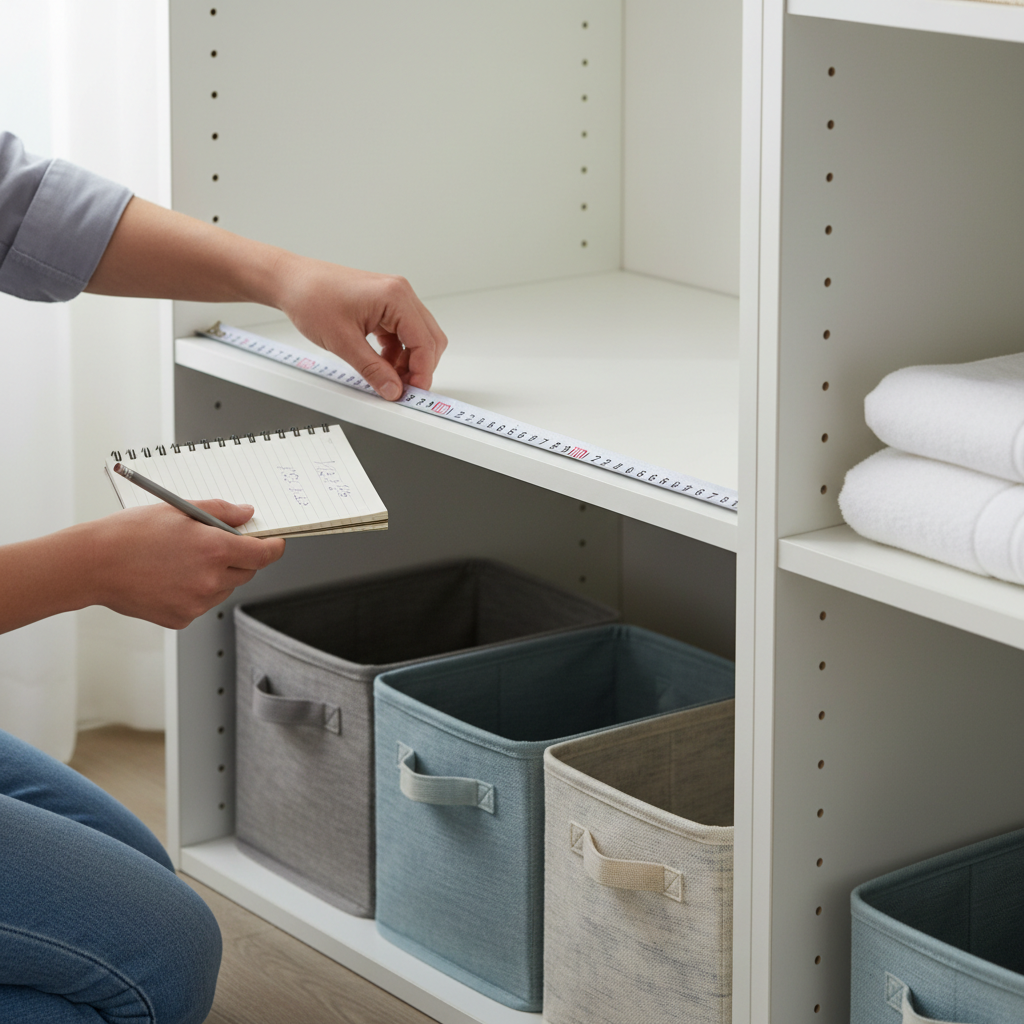
If you shop online, compare “top dimensions” and “bottom dimensions” and look for interior dimensions too. For closet shelves, interior space is what you actually live with.
Practical setup: a closet + garage bin system that stays organized
Buying bins is the easy part. Keeping them useful is more about rules you can follow when you’re tired.
Closet setup steps
- Sort by retrieval frequency: daily items at eye level, seasonal items up high.
- Give each bin one job: “gym socks” beats “misc clothing.” Vague bins become doom bins.
- Label the front even if bins are clear, because you’ll stack something in front eventually.
- Use a ‘landing bin’ for return-to-store items or clothing that needs decisions, so it doesn’t spread.
Garage setup steps
- Group by project zone: car care, yard, paint, camping. It reduces the “open five totes” problem.
- Keep heavy totes lower: stability matters more than symmetry.
- Standardize lid styles where possible, mixing latch types often leads to sloppy stacks.
- Create an inventory note: a simple list on your phone beats digging through every bin.
Key takeaway: if you want a system that lasts, pick fewer bin types, repeat them, and treat labels as part of the product, not an optional extra.
Mistakes that make “good bins” feel useless
- Overbuying huge bins for closets: big bins turn into mixed piles because you can’t see the bottom layer.
- Stacking without access: if you must unstack to reach basics, you’ll stop using the bins.
- Ignoring shelf depth: a bin that sticks out looks messy fast and catches on sleeves and hangers.
- Relying on color-coding only: colors help, but labels prevent mix-ups when someone else puts things away.
- Using fabric bins in damp garages: they can pick up odors or mildew in some climates, consider plastic instead.
And a reality check: if you’re constantly reorganizing, the issue might be categories, not containers. Make categories smaller until putting things away feels almost automatic.
When it’s worth getting extra help
If your garage storage includes heavy tools, overhead racks, or tall shelving that could tip, it may be smart to consult a qualified contractor or professional organizer who understands load and anchoring. If you suspect mold, pests, or chemical exposure issues, consider talking with an appropriate local professional before sealing items into bins for long periods.
According to the U.S. Consumer Product Safety Commission (CPSC), tip-over prevention and general household safety are ongoing concerns for consumers. In practical terms, if something feels unstable in your storage setup, treat that as a signal to change the setup, not to “be careful.”
Conclusion: picking bins that you’ll still like next season
The best storage bins for closet organization tend to be boring in the best way: they fit your shelves, they’re easy to access, and they don’t create extra steps. Start by measuring, pick one or two repeatable sizes, then choose closet-friendly access for daily items and heavier-duty totes for garage storage.
If you want a simple next move, measure one closet shelf and one garage shelf today, then buy a small test set of bins before committing to a full matching system.
FAQ
- What size bins work best for closet shelves?
Most closets do well with a “standard footprint” that lets you fit 2–4 bins per shelf without gaps. Measure the shelf depth and width first, then choose a size that tiles cleanly instead of chasing gallon counts. - Are clear bins always better than fabric bins for closets?
Clear bins usually win for visibility, especially for rarely used items. Fabric bins can look nicer and feel lighter, but they rely more on good labels and can be less ideal in dusty or humid areas. - How do I stop stacked bins from sliding or tipping?
Use bins designed to nest or stack, keep heavier items low, and avoid mixing lid types. If shelving is tall, anchoring may help, and a professional can advise if you’re unsure about stability. - Which bins hold up best in a hot or cold garage?
Heavy-duty polypropylene totes with solid latches often handle temperature swings better than thin brittle plastics. Conditions vary by region and garage insulation, so it’s worth testing one tote before buying a full set. - What’s the best way to label closet bins so it stays tidy?
Label the front where you naturally look, keep wording specific, and avoid categories that invite random items. If multiple people use the closet, labels matter even more than matching bins. - How many different bin types should I use?
Usually fewer is better. One main size for most items plus one small accessory bin and one seasonal tote is enough for many homes, then add specialty shapes only when an item truly demands it. - Can I use the same bins for closet and garage?
You can, but you may not love it. Garage-friendly totes can be bulky and waste closet space, while closet bins may not survive rough handling or humidity. Many households end up with separate “families” of bins for each space.
If you’re trying to build a clean, repeatable bin system and you want it to look cohesive without guessing sizes, it can help to start from a measured plan and a short list of bin styles that match your shelves and habits, rather than buying a big bundle and hoping it fits.