
Best silicone food bags reusable picks usually come down to three things you can feel right away: how well they seal, how easy they are to clean, and whether they stay usable after a few months of real-life abuse in a busy kitchen.
If you’ve tried a “reusable bag” that turned into a floppy, stained, smells-like-garlic situation, you already know why this category gets tricky. A silicone bag can be genuinely convenient, but only if it matches how you store food, pack lunches, and reheat leftovers.
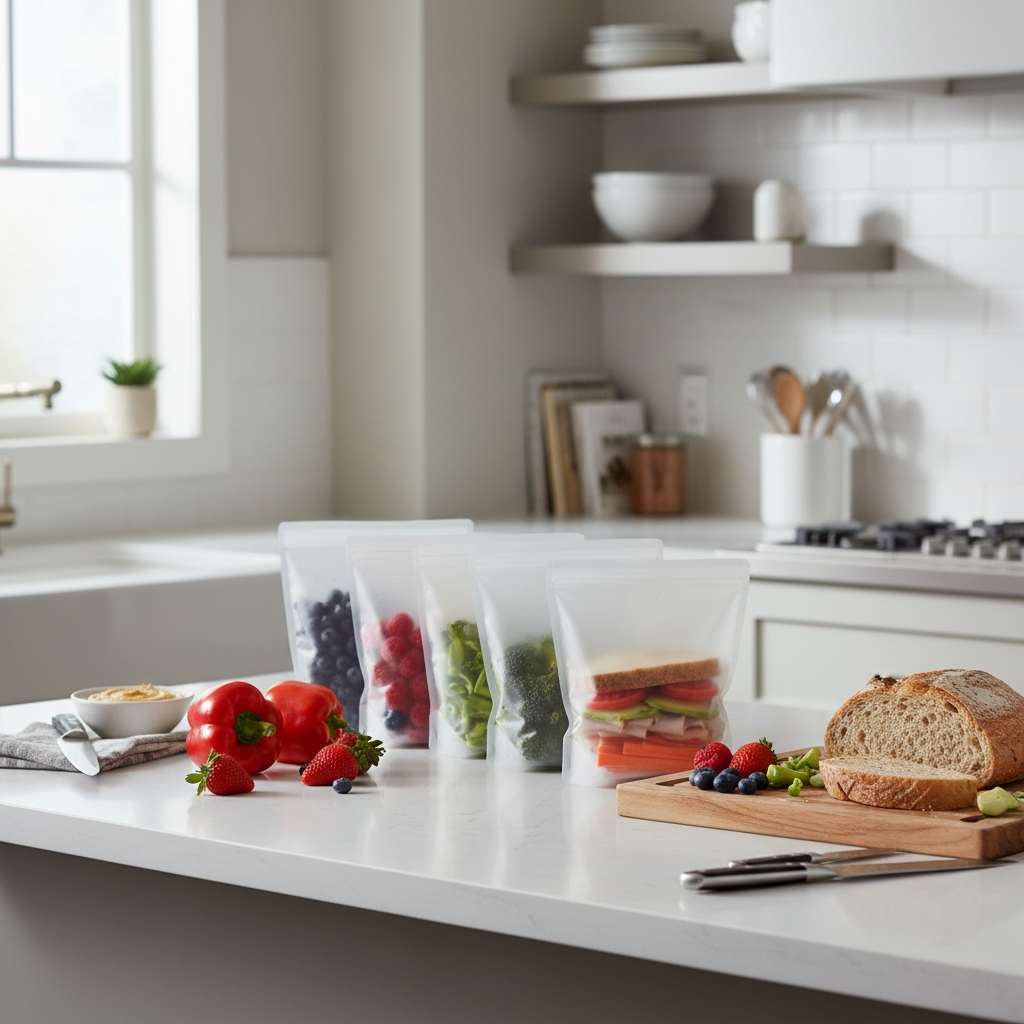
One more thing people miss: “silicone” isn’t automatically a guarantee of great performance. Thickness, closure design, and shape matter a lot, and a bag that’s perfect for marinating chicken can be annoying for snack packing. This guide helps you choose based on use cases, not hype.
What to look for in reusable silicone food bags
When you’re shopping for the best silicone food bags reusable, focus on features that prevent the two biggest frustrations: leaks and cleaning.
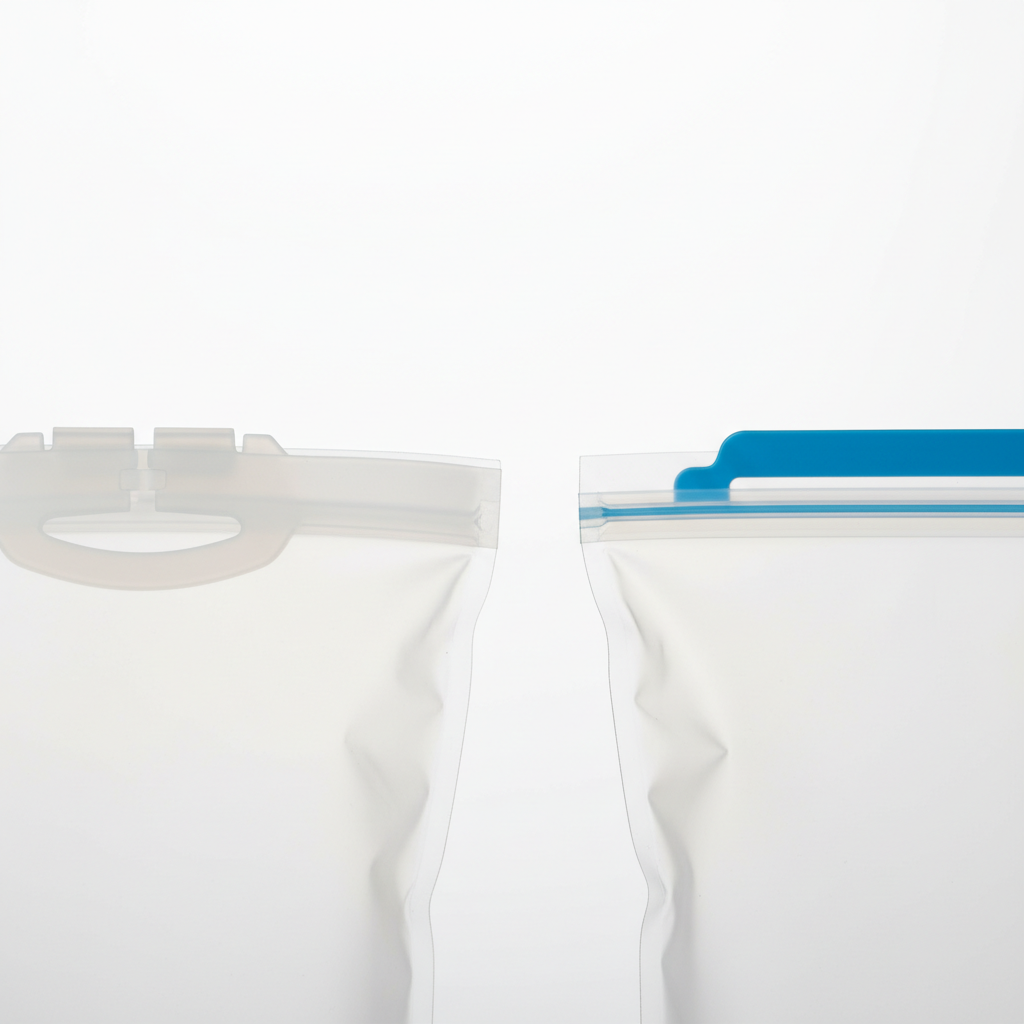
- Closure style: Pinch-lock and slider bars both work, but they feel different day-to-day. Sliders can be faster, pinch-lock can be simpler and easier to rinse.
- Bag structure: Stand-up bases help for meal prep and fridge organization. Flat bags save space but can be messy when filling.
- Silicone thickness: Thicker usually means better durability and less “floppy bag” behavior, but it can be harder to turn inside out for cleaning.
- Size range: If the set skips a true sandwich size or a big gallon-style bag, you’ll feel it quickly.
- Temperature limits: Many silicone bags handle freezer and warm water fine, but oven/sous vide claims vary by brand and design.
According to the U.S. Food and Drug Administration (FDA), food-contact materials should be suitable for their intended use. In practical terms, that means you want clear manufacturer guidance for freezing, microwaving, and dishwashing rather than vague marketing language.
Quick self-check: which bag type fits your routine?
Before comparing sets, decide how you’ll actually use them. This takes two minutes and saves you from buying the “wrong kind of great.”
- If you pack lunches daily: prioritize easy-open seals, a true sandwich size, and stain resistance.
- If you meal prep in batches: stand-up bags, clear measurement marks, and a wide opening matter more.
- If you freeze a lot: look for thicker silicone and a seal that doesn’t pop when contents expand.
- If you marinate meat often: leak resistance and a reliable closure beat everything else.
- If you hate hand-washing: choose designs that fully open and can be turned inside out without a fight.
Side-by-side comparison table (features that matter)
Not all reusable silicone food bags are built for the same job. Use this table as a quick filter when you’re scanning listings.
| Feature | Best for | What to watch for |
|---|---|---|
| Stand-up base | Meal prep, fridge organization | Base seams can trap residue if design is narrow |
| Slider closure | Fast open/close, kids’ lunches | Extra part to clean; sliders can get lost |
| Pinch-lock seal | Simple cleaning, fewer parts | Can be tough for small hands if seal is very tight |
| Wide-mouth opening | Soups, sauces, marinating | Some wide openings sacrifice “snap” closure feel |
| Extra-thick silicone | Freezer storage, heavy use | More effort to invert and dry fully |
How to choose the best set (by real use cases)
Here’s the practical way to pick the best silicone food bags reusable for your kitchen: start with your top two scenarios and buy for those, not for every scenario you might someday do.
For lunch packing and snacks
- Choose medium sizes with an opening that doesn’t collapse.
- Look for bags that rinse clean quickly, because you’ll wash them often.
- If you pack things like chips or crackers, a bag that holds its shape makes filling easier.
For freezer storage
- Go thicker, and consider a set with at least one large bag.
- Press out excess air to reduce freezer burn, but avoid stressing the seal by overstuffing.
- Labeling matters: use freezer-safe labels or a washable marker if the surface supports it.
For marinating and leak-sensitive foods
- Prioritize closure reliability over “cute colors.”
- A gusseted bottom can help the bag stand while you fill it, which reduces spills.
- Double-check how the brand recommends sealing, some seals need a firm press across the entire top.
For microwaving and reheating
Many silicone bags are marketed as microwave-friendly, but details vary. In many cases, you’ll want to vent the bag rather than sealing it tight. If you’re unsure about your model’s temperature limits, follow the manufacturer instructions and consider transferring food to a microwave-safe bowl.
Cleaning and odor control that actually works
This is where reusable bags win or lose. The good news: you don’t need fancy tricks, but you do need consistency.
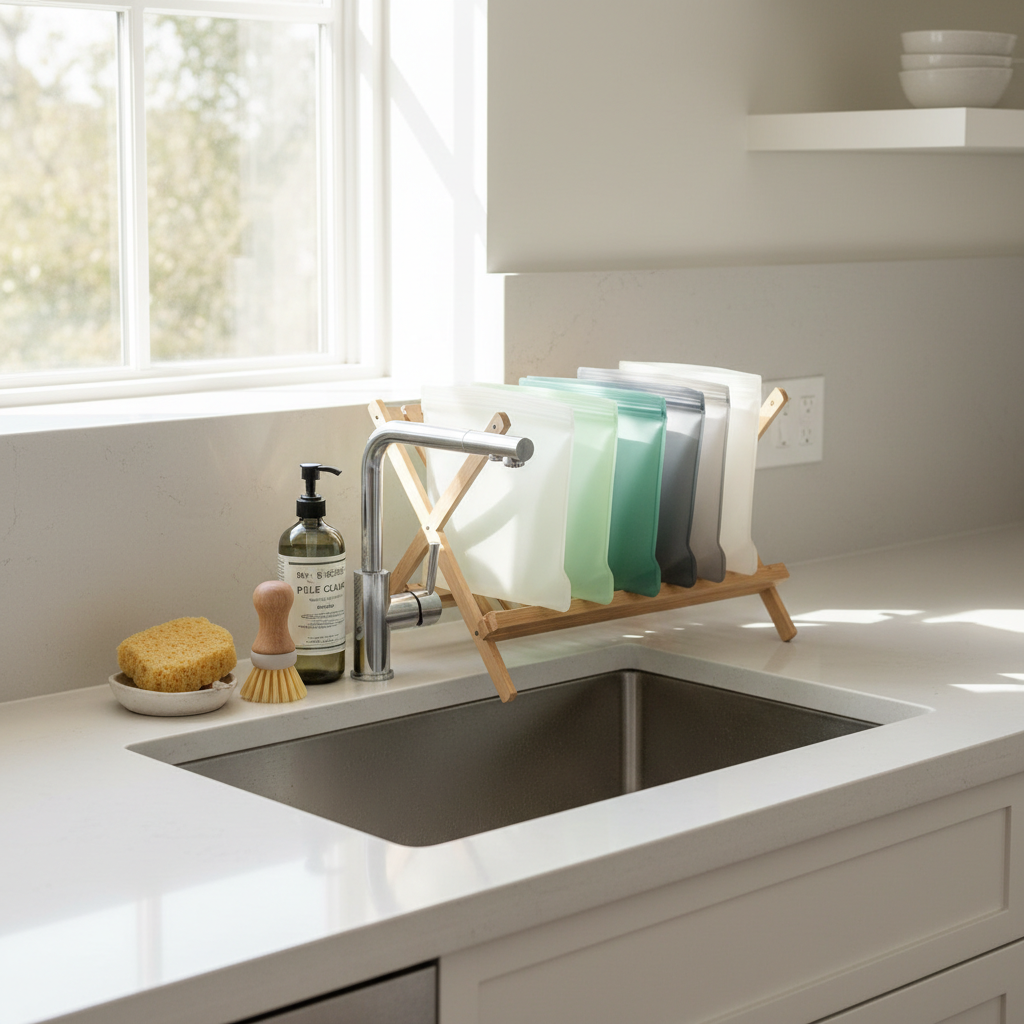
- Rinse quickly after use, especially after oily foods. Waiting overnight makes smells cling.
- Turn inside out for washing whenever possible, it’s the difference between “looks clean” and “is clean.”
- Use a bottle brush for corners and seams, those spots trap residue.
- Dry completely before storing, lingering moisture can cause that stale smell.
If odors stick, many households have luck with a baking soda soak, but results vary by stain type and silicone finish. For persistent smells after raw meat storage, it may be safer to retire that bag to non-food uses or consult the manufacturer’s care guidance.
Common mistakes that make silicone bags feel “not worth it”
A lot of negative reviews trace back to predictable missteps, not necessarily bad products.
- Overfilling: seals fail more often when the top edge is under pressure.
- Putting greasy bags straight into the dishwasher without pre-rinsing: oil can redeposit and create a lingering film.
- Storing damp: this is the quiet source of “weird smell” complaints.
- Expecting one bag to do everything: freezer, soup, snacks, and sous vide can require different shapes.
Key takeaways before you buy
- Seal design determines daily happiness more than almost any other spec.
- Pick sizes based on your routine, not on how many pieces come in the box.
- Cleaning ease is a real “feature,” especially if you pack lunches or store sauces.
- For safety and performance, follow the brand’s temperature and care instructions.
Conclusion: a practical way to choose your next set
The best silicone food bags reusable are the ones you’ll keep using after the novelty wears off, meaning they seal without drama, clean without a long battle, and match your most common storage habits.
If you want a simple next step, pick one stand-up size for prep, one medium size for snacks, and one larger bag for freezer or marinating, then adjust after two weeks of use. That small “test set” approach usually beats buying a huge bundle that doesn’t fit your kitchen rhythm.
FAQ
- What makes the best silicone food bags reusable for everyday lunches?
Look for a bag that opens wide, stays upright while filling, and seals reliably with one hand. If you’ll wash it daily, prioritize designs that invert easily and don’t have hard-to-reach corners. - Do reusable silicone food bags leak with liquids?
Some can hold soups or sauces, but leak resistance depends on the seal design and how full the bag is. For anything truly spill-sensitive, test at home over the sink and avoid stuffing right up to the closure. - Are silicone food storage bags dishwasher safe?
Many are advertised as dishwasher safe, but results vary by thickness and closure parts. Pre-rinsing oily residue helps a lot, and complete drying matters more than people expect. - Can I microwave food in silicone bags?
Often yes, but not always in the same way. Many situations call for venting, and you should follow the manufacturer’s instructions for temperature limits and safe handling to reduce burn risk. - Why do silicone bags start to smell?
Odors usually come from oils and proteins lingering in seams or from storing the bag before it’s fully dry. Turning bags inside out, scrubbing corners, and air-drying completely tends to prevent repeat issues. - Do silicone bags replace all plastic bags?
They can replace a lot of single-use bags, but not every job is a perfect match. For ultra-messy ingredients or situations where you can’t wash soon, you might still use other storage options. - How many reusable silicone bags do I actually need?
For many households, 6–10 bags across two or three sizes covers most weekly use. If you meal prep heavily or pack multiple lunches daily, you may want more mediums and fewer tiny snack sizes.
If you’re trying to cut down on single-use plastics but keep hitting issues like leaks, staining, or smells, it can help to choose a smaller set based on your top use case, then expand once you know which shape and closure style you genuinely like using.