
The best heated blanket for winter is the one that warms evenly, fits how you actually sleep, and has safety features you will not think about until you really need them. If you buy based on “hottest” alone, you can end up with cold spots, annoying cords, or a blanket you avoid using because it feels too bulky.
Winter shopping also gets confusing fast because brands use different terms for the same thing, like “fast heat,” “multi-zone,” or “premium plush,” and a lot of listings bury the specs that matter. This guide puts the decision back into a few practical choices: size, material, controls, safety, and upkeep.
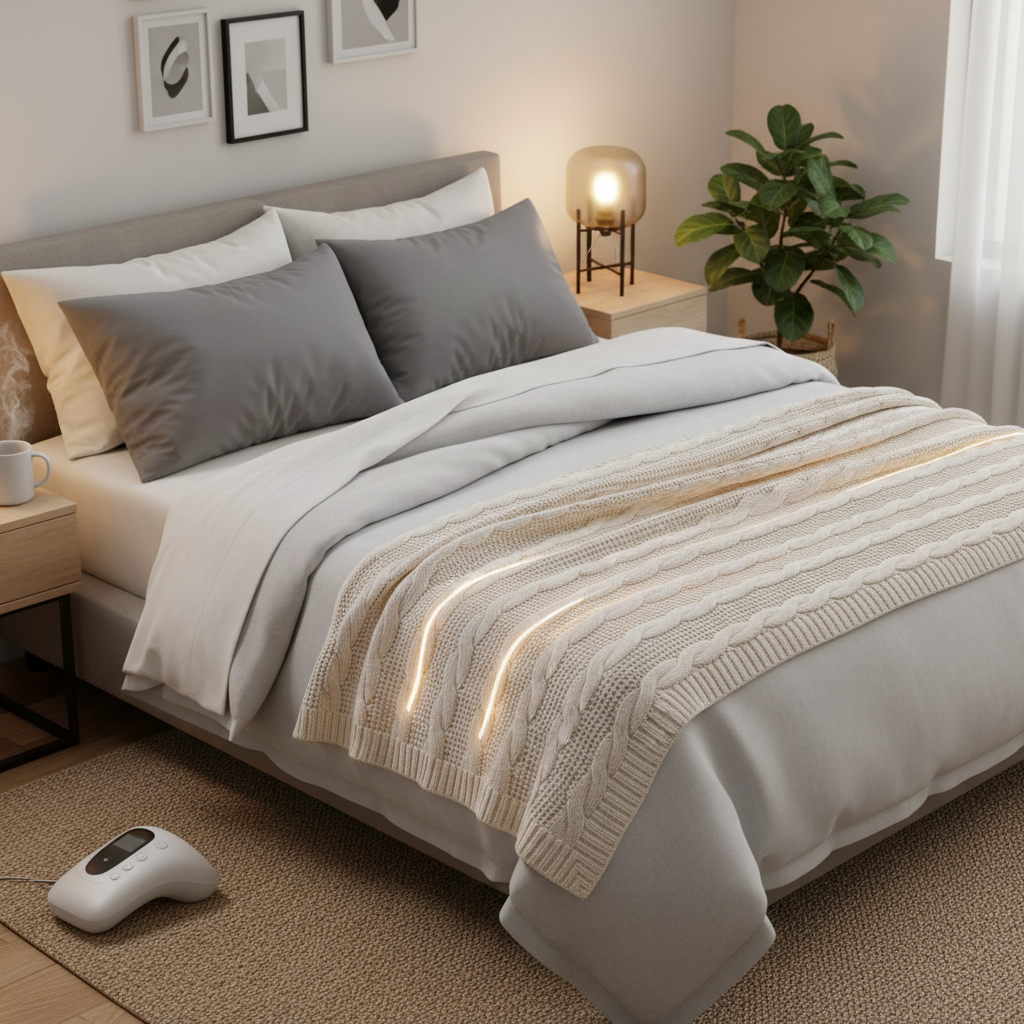
I will also flag the common mistakes, like choosing the wrong fabric for your skin, missing the fine print on auto shutoff, or buying a throw when you really needed an underblanket. You will leave with a short list of what to prioritize, plus a simple checklist to pick a model confidently.
What “best” really means for a heated blanket (not just heat)
The best heated blanket for winter usually balances four things: consistent warmth, comfort, safety, and day-to-day convenience. If one is missing, the blanket ends up in a closet by February.
- Even heating: Look for wording that suggests uniform heat distribution, and pay attention to reviews mentioning cold patches.
- Heat range and control: More settings can help, but clear steps matter more than a big number. Some people prefer fewer, predictable levels.
- Fit for your use: A throw for the couch, a twin for a single sleeper, or a larger size if you share a bed and both want coverage.
- Washability: Detachable controller, clear machine-wash instructions, and realistic drying guidance.
- Safety basics: Auto shutoff and overheat protection should be non-negotiable for most households.
According to the U.S. Consumer Product Safety Commission (CPSC), consumers should follow manufacturer instructions and watch for product hazards and recalls, which is especially relevant for heat-producing home products. That is not meant to scare you, just a reminder to buy from reputable brands and keep an eye on care and condition.
Quick comparison table: features that matter most
If you want a fast way to narrow options, this table covers the specs that most often separate “fine” from “actually great” in cold weather.
| Feature | Why it matters | Good baseline to look for |
|---|---|---|
| Auto shutoff | Reduces risk if you fall asleep or forget | 2–10 hour options, clear timer behavior |
| Heat levels | Helps match your comfort without overheating | 6–10 settings, easy controller labeling |
| Heating zones | Better coverage and fewer cold areas | At least even warmth; dual controls for larger sizes |
| Fabric | Affects feel, breathability, and static | Plush/microplush for softness, fleece for cozy, cotton for breathability |
| Controller + cord | Day-to-day annoyance factor | Long cord, simple buttons, backlit display if you adjust at night |
| Wash care | If it is hard to clean, it will not get used | Machine-washable with detachable controller; clear drying instructions |
How to choose based on your real-life winter routine
Most people pick the “softest” option and call it done, but comfort is personal, and so is heat. Think about where you will use it and what annoys you fastest.
Couch lounging (throw blankets)
- Priority: soft hand-feel, fast warm-up, easy controller.
- Nice to have: longer cord if your outlet sits behind furniture.
- Watch for: throws that run small, your feet end up uncovered.
Bed warmth (full blanket)
- Priority: even heat across the surface, minimal wire feel, dependable auto shutoff.
- Nice to have: dual controllers for queen/king so one person is not sweating while the other is cold.
- Watch for: bulky fabrics that trap too much heat if you are a hot sleeper.
Preheating vs all-night comfort
- If you want preheating, you will care more about warm-up speed and a shutoff timer.
- If you want steady warmth, you will care more about low settings that stay comfortable without spikes.
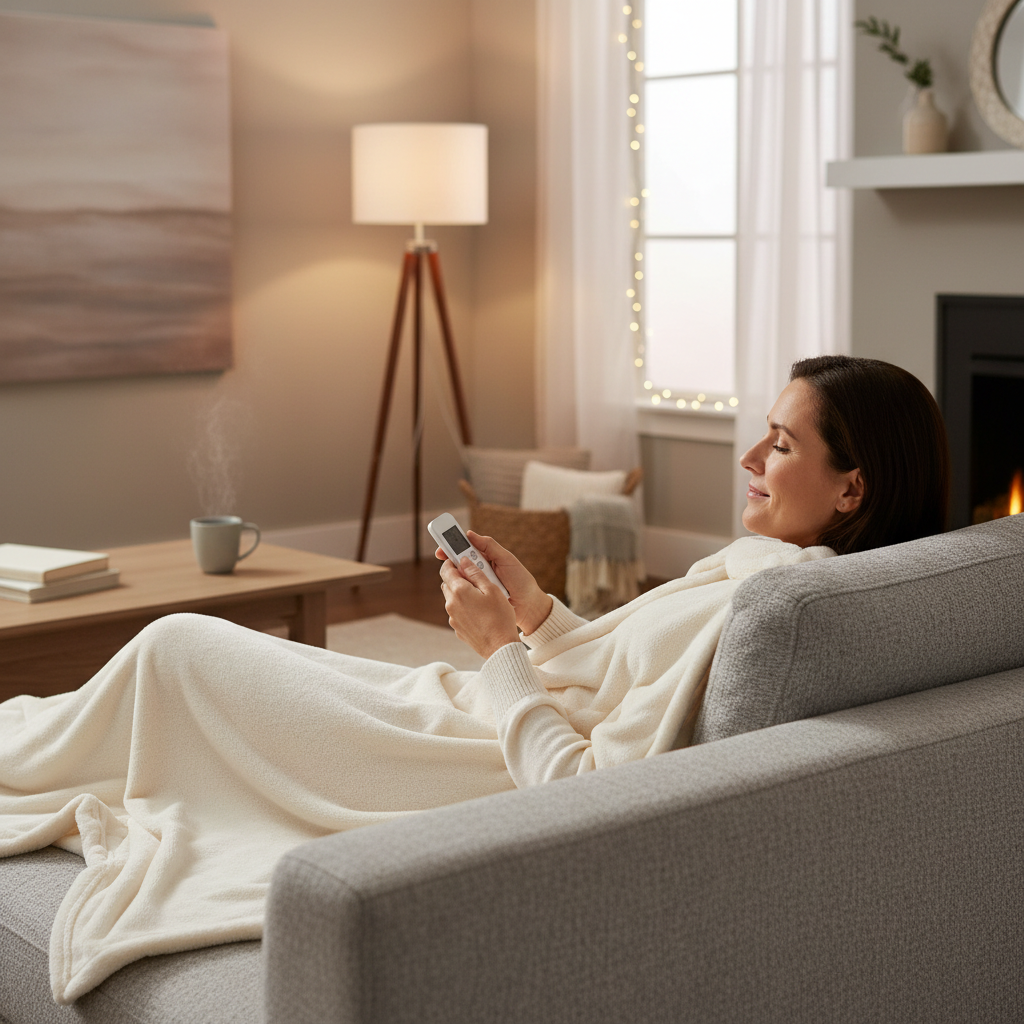
If your goal is the best heated blanket for winter sleep, it is usually smarter to optimize for consistent low-to-medium warmth, not the highest peak temperature. That is the difference between “nice for 10 minutes” and “I use this every night.”
Self-check: which heated blanket profile fits you?
This quick checklist helps you avoid buying a blanket that looks perfect online but feels wrong in your home.
- I run cold all the time: prioritize plush fabric, more heat levels, and larger coverage than you think you need.
- I get hot at night: look for breathable fabric, reliable low settings, and a timer you can trust.
- I share a bed: consider dual controls or at least a size that prevents “tug-of-war.”
- I have sensory sensitivity: softer top layers and “thin wire” designs can matter more than heat level count.
- I hate fiddly gadgets: choose a controller with big buttons, simple labels, and a display you can read in low light.
- I need easy cleaning: confirm machine-wash instructions and realistic drying steps before you buy.
Also think about your home’s baseline temperature and insulation. A heated blanket can make winter far more comfortable, but it is not a full replacement for safe home heating, especially in very cold regions.
Safety and comfort: what to prioritize (without paranoia)
Heated blankets are common household items, but they still mix electricity with fabric, and that deserves basic respect. According to the National Fire Protection Association (NFPA), safe use of home electrical products includes following manufacturer instructions and replacing damaged cords or devices, which applies here too.
- Auto shutoff: helpful if you fall asleep easily or use it while reading in bed.
- Overheat protection: wording varies by brand, but you want a model designed to prevent overheating.
- Cord and controller condition: if you ever see fraying, scorching, or intermittent power, stop using it and contact the manufacturer.
- Layering: avoid trapping too much heat under heavy comforters if you tend to overheat.
If you are shopping for an older adult, a child, or someone with reduced heat sensation, it may be worth asking a healthcare professional for individualized guidance, since burn risk can vary by person and condition.
Buying tips for 2026: small details that change the experience
Product pages rarely say “this is annoying,” but you can spot likely issues by checking a few details before checkout.
Controller design
- Backlit screen: matters if you adjust settings at night.
- Memory function: convenient if you want the same setting every time, but some people prefer it resets for safety.
- Button layout: fewer buttons can be better if you do not want to hunt for the right one half-asleep.
Cord placement and length
- Check where the cord exits the blanket, especially for bed use, because awkward placement can pull while you turn.
- Longer cords reduce the temptation to use extension cords in awkward ways.
Fabric choice: what it feels like in winter
- Microplush: very soft, usually feels “warm” even before you turn heat on.
- Fleece: cozy and common, can build static in dry climates.
- Cotton blend: often feels less sweaty, can be a better pick for hot sleepers.
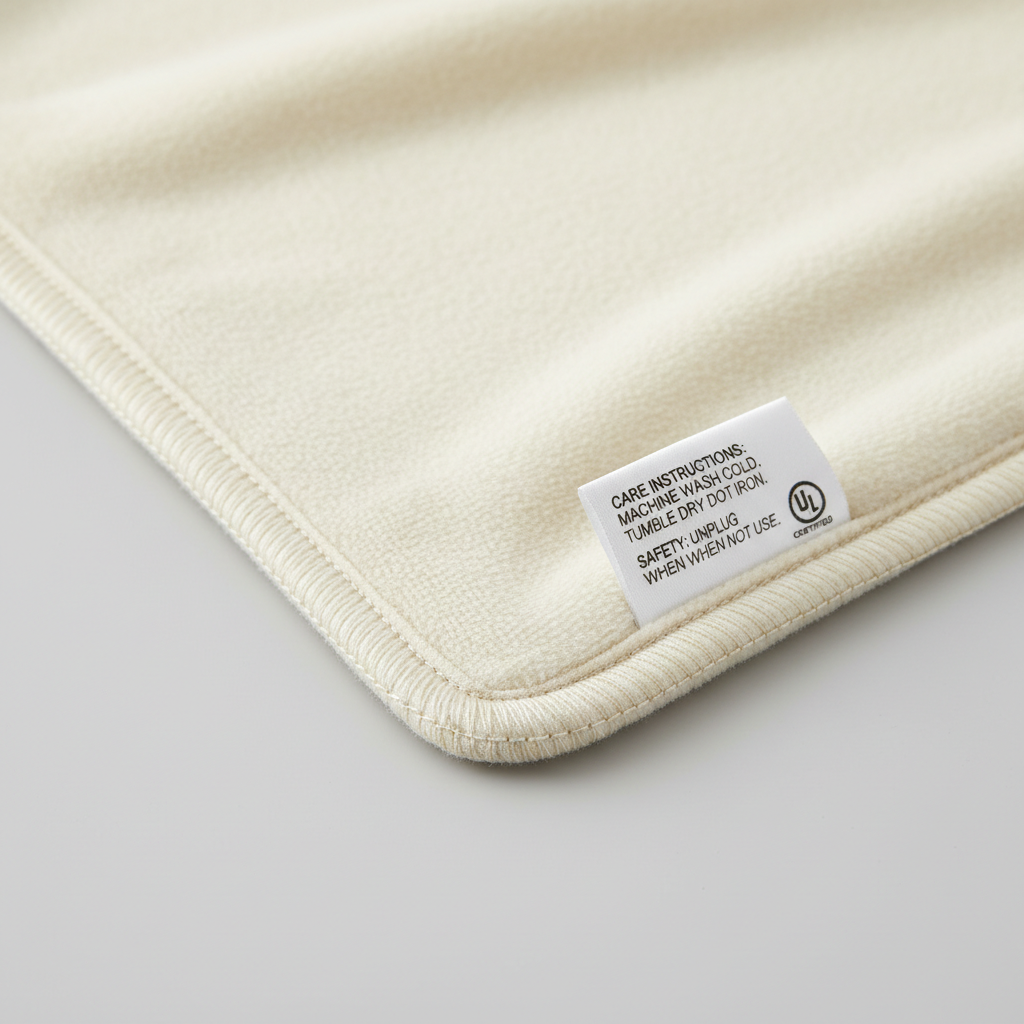
One more quiet detail: if a listing is vague about care, shutoff timing, or warranty support, that is often a signal the experience might be rough. The best heated blanket for winter is usually backed by clear instructions and straightforward customer support policies.
Practical setup and care (so it stays cozy and reliable)
Most problems happen after purchase, not before. A little setup discipline keeps warmth consistent and reduces wear.
- First week: test every heat setting while you are awake, confirm the timer behavior, and learn which level feels right for your room.
- Placement: lay it flat, avoid tight folding while powered on, and do not pin it under heavy objects that create pressure points.
- Cleaning: detach controls fully, follow the exact wash instructions, and let it dry thoroughly before plugging back in.
- Storage: loosely roll or fold, keep it dry, and avoid sharp creases that stress wiring over time.
If you notice uneven heat or hot spots, stop using the blanket and contact the manufacturer. It may be a simple controller issue, or it may be a sign the blanket needs replacement.
Conclusion: how to pick the right one fast
If you want the best heated blanket for winter, start with the use case, couch or bed, then filter by safety basics, even heating, and washability. After that, fabric and controller design decide whether you love it or merely tolerate it.
Your next move can be simple: pick the size you really need, require auto shutoff, then choose the fabric that matches your comfort and climate. If you do that, most of the market noise disappears.
FAQ
What is the best heated blanket for winter if I am a hot sleeper?
Look for breathable fabrics and models with stable low settings, not just high max heat. Many hot sleepers do better with gentle warmth plus a timer, rather than leaving it on high.
Is it better to buy a heated throw or a full-size heated blanket?
A throw is great for the couch and quick warmth, but it often feels small on a bed. If your main goal is nighttime comfort, a bed-size blanket or a dedicated heated mattress pad is usually less frustrating.
How many heat settings do I actually need?
More settings can help fine-tune comfort, but clarity matters more than quantity. A blanket with 6–10 well-spaced levels and an easy controller often feels more usable than one with lots of confusing increments.
Do heated blankets use a lot of electricity?
Many models are designed to be relatively efficient, but actual cost depends on wattage, how long you run it, and local rates. If cost matters, check the product’s wattage and use the timer instead of running it all night.
Can I sleep with a heated blanket on all night?
Some people do, especially with low settings and auto shutoff, but comfort and safety depend on the specific product and personal factors. If you have medical conditions that affect heat sensitivity, consider asking a healthcare professional.
Why does my heated blanket have cold spots?
Cold spots can come from bunching, heavy layers compressing the blanket, or normal variation in heating wire layout. If the pattern changes suddenly or you notice hot spots, stop using it and contact the manufacturer.
How do I wash a heated blanket without damaging it?
Detach the controller completely, follow the label instructions exactly, and make sure it dries fully before plugging in. Skipping drying time is a common mistake that can create reliability issues.
If you are trying to find the best heated blanket for winter without spending hours comparing listings, focus on your use case and non-negotiables, then shortlist two or three models and check care instructions and safety features line by line. A little upfront filtering usually saves you from the “returned after one week” scenario.