
How to clean fabric shower liner from mildew starts with one honest check: are you dealing with surface mildew spots, or has the fabric absorbed that musty, set-in stain? The good news is most liners can be rescued with a simple pre-treat and a careful wash, as long as you don’t scorch the fabric or “lock in” stains with the wrong products.
Mildew is annoying because it comes back fast, especially in bathrooms with poor airflow. You can scrub until your arms hurt and still see faint shadows, or smell that damp odor the next day. This guide keeps it practical: what to use, what to avoid, and how to stop the repeat cycle.
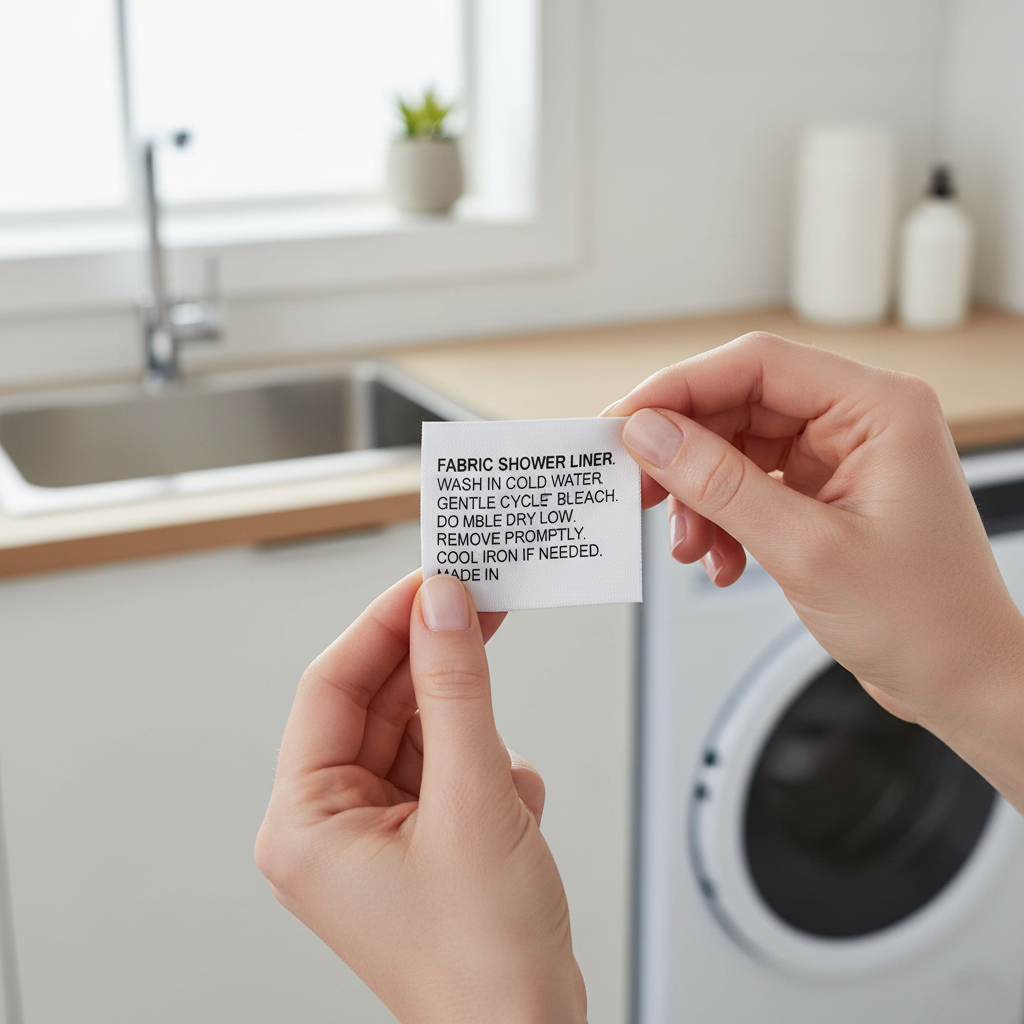
One quick note before we get into steps, not every “fabric” liner is the same. Polyester and nylon usually tolerate machine washing well, while cotton blends and liners with special coatings can be pickier. When in doubt, follow the care label, then use the gentlest method that still works.
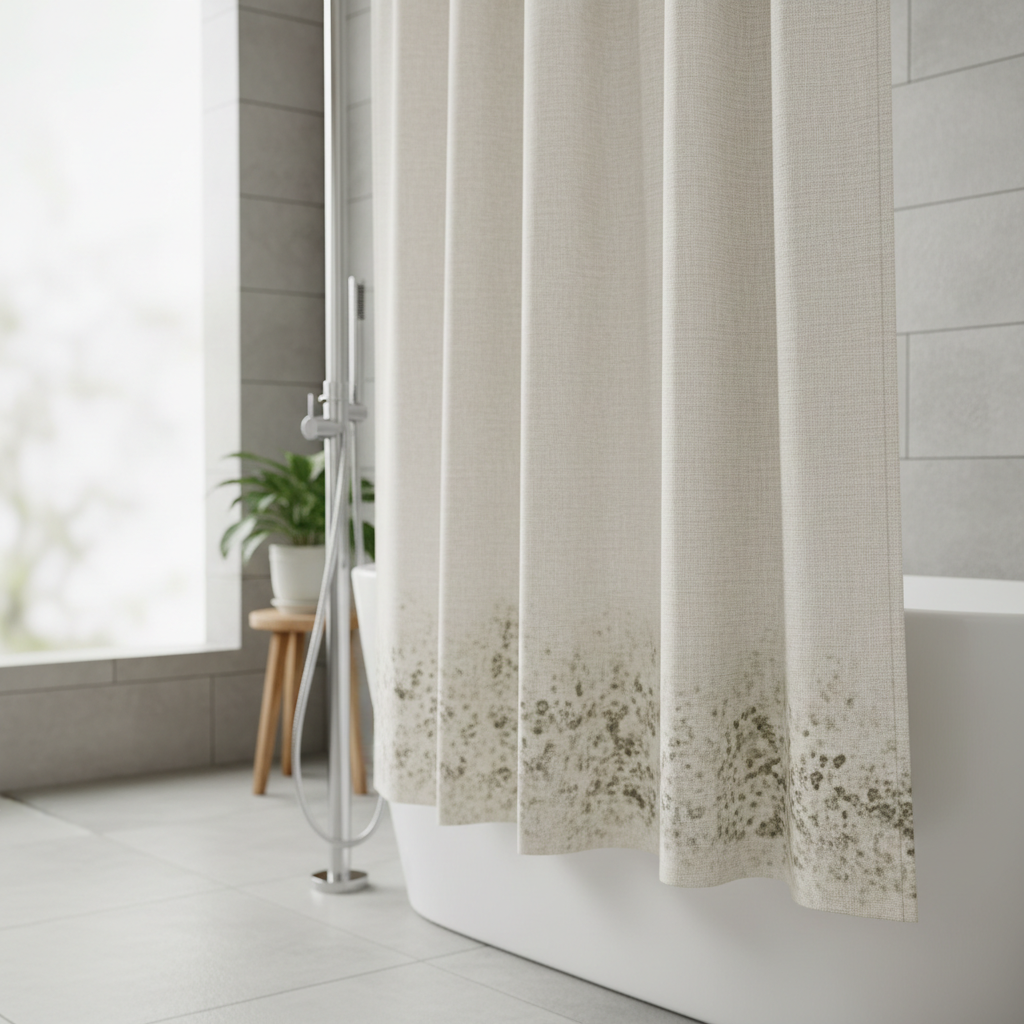
Why mildew shows up on fabric liners (and why it sticks)
Mildew is a type of fungus that thrives on moisture and a little “food,” like soap scum, body oils, and mineral residue. Fabric liners are especially vulnerable because they hold tiny amounts of water in the weave, even when they look dry.
- Trapped humidity: A liner that stays bunched up after showers dries slowly, giving mildew time to grow.
- Soap scum buildup: That cloudy film isn’t just ugly, it helps mildew hang on.
- Cold surfaces and poor airflow: Bathrooms that don’t vent well tend to keep moisture near the tub and floor area.
- Hard water residue: Mineral deposits can create rough areas where grime and spores cling.
According to the U.S. Environmental Protection Agency (EPA), controlling moisture is the key step to preventing mold growth indoors. In plain terms, cleaning matters, but drying habits matter more.
Quick fabric check: what your liner can handle
Before you throw anything in a washer, take 60 seconds to confirm what you’re working with. This avoids the classic mistake of bleaching a fabric that turns yellow, or washing a coated liner until it peels.
Use this fast checklist
- Care label: Look for “machine wash cold/warm,” “non-chlorine bleach,” and drying guidance.
- Material feel: Most polyester liners feel smooth and slightly stiff, cotton blends feel softer and absorbent.
- Coating layer: Some liners have a water-repellent backing that can degrade with high heat.
- Severity: Light speckling is easier than dark patches that have sat for weeks.
If your liner looks more like a “curtain” and less like a “liner,” treat it like fabric that can shrink or fade. Mild methods first, stronger methods only if you need them.
What to use: a simple decision table
People usually overcomplicate this. You need one pre-treatment option, one wash plan, and one prevention step. Pick based on stain level and what your fabric tolerates.
| Situation | Best first choice | Backup option | Avoid |
|---|---|---|---|
| Light mildew specks, little odor | White vinegar pre-soak + warm wash | Oxygen bleach (color-safe) soak | High heat drying on coated liners |
| Visible stains + musty smell | Oxygen bleach soak + detergent wash | Vinegar pre-soak, then oxygen bleach wash cycle | Mixing vinegar with chlorine bleach |
| Stains near bottom hem, soap scum present | Dish soap spot clean, then wash | Baking soda paste for targeted scrub | Over-scrubbing delicate weave |
| Coated/treated liner | Gentle detergent + cool/warm wash | Short vinegar rinse cycle (if label allows) | Strong bleach or boiling water |
Safety note: Never combine chlorine bleach with vinegar or ammonia, that combination can release dangerous fumes. If you choose bleach, use it alone and follow the product label.
Step-by-step: how to clean fabric shower liner from mildew
How to clean fabric shower liner from mildew usually works best as a two-part job: loosen the grime where mildew clings, then run a wash that actually removes spores and odor instead of spreading it around.
1) Take it down and dry-brush the worst areas
Bring the liner to a well-ventilated area. If there are dry specks, lightly brush or shake them off into the tub or trash. This prevents rubbing grit deeper into the fabric during pre-treatment.
2) Pre-treat based on what you see
- Vinegar soak (good for odor and light mildew): Soak in a tub or large bin with warm water and 1–2 cups of white vinegar for 30–60 minutes.
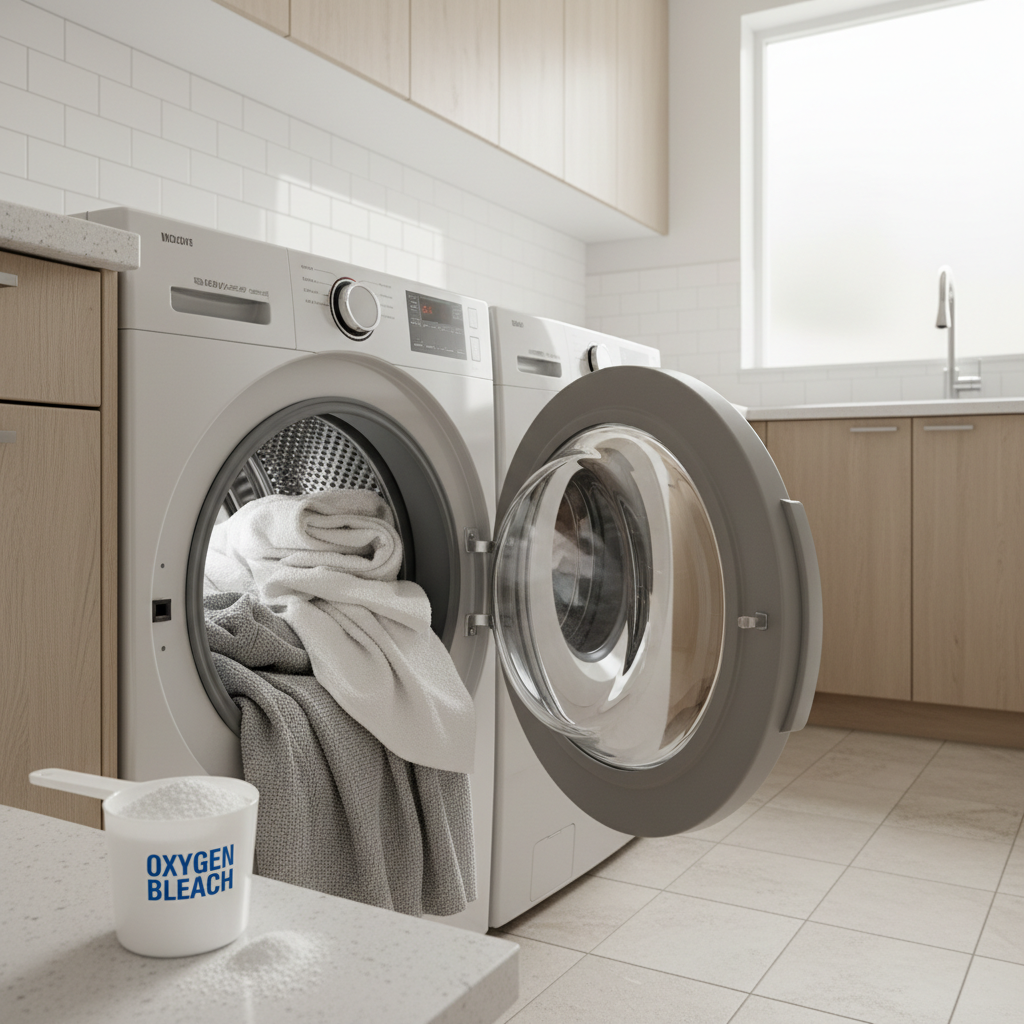
- Oxygen bleach soak (good for stains): Dissolve oxygen bleach powder in warm water, then soak 1–4 hours. Follow the package directions for concentration.
- Targeted scrub for soap scum: Add a few drops of dish soap to a damp cloth and wipe the bottom hem, rinse, then proceed to wash.
If you only pick one method, oxygen bleach tends to be the most “fabric-friendly” stain lifter for many liners, but always check the label.
3) Machine wash with the right helpers
- Water temp: Warm is often effective, but use cold if the label calls for it.
- Detergent: Normal amount, don’t over-pour. Extra detergent often leaves residue that attracts grime.
- Add-ons: Toss in 2–4 clean white towels to increase gentle scrubbing action.
- Cycle: Regular or delicate based on fabric weight, plus an extra rinse if your washer offers it.
Skip fabric softener. It can leave a coating that makes future mildew more likely, and it sometimes traps odor in synthetic fibers.
4) Dry it the “boring” way
Air-drying is the safest default, especially for liners with any coating. Hang it fully spread out, ideally where airflow is decent. If the care label allows machine drying, use low heat and pull it out while still slightly damp to finish air-drying.
Stubborn stains that won’t budge: realistic options
If you still see shadowy spots after washing, it doesn’t always mean mildew is “alive.” Sometimes the stain is leftover pigment locked into fibers, especially if it sat for a long time near the wet bottom edge.
- Repeat oxygen bleach, not harsh scrubbing: A second soak often works better than aggressive brushing.
- Sunlight can help (carefully): A few hours in indirect sun may lighten stains on some fabrics, but direct harsh sun can fade colors or weaken certain materials.
- Accept “good enough” if the liner is older: If the liner smells clean and the stains are faint, you may be chasing cosmetic marks that won’t fully disappear.
If you’re considering chlorine bleach, read the label and spot-test on a hidden corner. Many fabric liners tolerate it poorly, and discoloration is hard to undo.
Prevention: keep mildew from coming back next week
How to clean fabric shower liner from mildew is useful, but prevention is where you win back your time. Small habits reduce moisture long enough to stop the cycle.
Habits that actually matter
- After each shower: Pull the liner fully closed so it dries flat, not folded.
- Run the fan: Keep ventilation on during and for 20–30 minutes after showers, if possible.
- Quick rinse: A fast warm rinse knocks down soap residue on the lower half.
- Weekly micro-clean: Wipe the bottom hem with a cloth and a drop of dish soap, then rinse.
- Monthly wash: Put it in the washer before it looks dirty, prevention washing is easier than stain removal.
According to the CDC, reducing moisture and cleaning visible mold are common recommended steps for indoor mold control. If someone in the home has asthma or allergies, a more cautious approach is often reasonable, and you might want to ask a clinician for individualized guidance.
Common mistakes that make mildew worse
- Using too much detergent: Residue can feed odor and attract grime.
- Skipping the rinse: Cleaner left in fabric can irritate skin and keep the liner sticky.
- Drying in a crumpled pile: A liner that dries in folds keeps damp pockets, mildew loves that.
- Mixing cleaners: Bleach plus vinegar or ammonia is a safety hazard, not a “stronger” solution.
- Waiting until it’s black: Early treatment is easier and less likely to leave permanent marks.
When to replace the liner or get extra help
If the liner keeps smelling musty even after washing and full drying, or if you see spreading growth that returns within days, replacement may be the more sensible call. Fabric liners aren’t expensive compared to repeated cleaning time, and heavily stained fabric can be frustrating.
If you suspect broader bathroom mold beyond the liner, like recurring growth on walls, ceilings, or under caulk lines, it may help to consult a qualified remediation professional. For health concerns such as worsening asthma, persistent cough, or irritation that seems linked to mold exposure, consider talking with a healthcare professional for individualized advice.
Key takeaways (save this)
- Pre-treat first: Vinegar for odor, oxygen bleach for stains, dish soap for soap scum.
- Wash smart: Warm water if allowed, normal detergent, add towels, skip softener.
- Dry completely: Air-dry fully spread out to prevent regrowth.
- Prevention beats deep cleaning: Ventilation and quick rinses keep mildew from returning.
Wrap-up: a simple plan you can follow today
How to clean fabric shower liner from mildew usually comes down to a soak, a proper wash, and better drying habits, not harsher chemicals. If you want the quickest win, start with an oxygen bleach soak, wash with a couple towels, then hang it flat so it dries fast.
If you’re short on time this week, do one thing: wash the liner now, then commit to pulling it closed after every shower, that small habit prevents most repeat mildew.
FAQ
- Can I put a fabric shower liner in the washing machine?
Many polyester fabric liners are machine-washable, but check the care label for temperature and cycle. If it has a special coating, use gentler settings and avoid high heat. - What’s better for mildew, vinegar or bleach?
Vinegar often helps with light mildew and odor, while oxygen bleach is commonly better for stubborn stains. Chlorine bleach can work on some whites, but it can discolor fabrics and should never be mixed with vinegar. - How long should I soak a liner with mildew stains?
For vinegar, 30–60 minutes is a practical window. For oxygen bleach, 1–4 hours is common, following product directions, longer is not always better for delicate fabrics. - Why do mildew stains come back after cleaning?
Usually the liner isn’t drying fully, or soap scum residue builds up again. Ventilation and keeping the liner spread out after showers often makes a bigger difference than switching products. - Can I use baking soda for mildew on a fabric liner?
Baking soda can help as a gentle abrasive paste for small areas, especially when soap scum is involved. It’s rarely enough on its own for deep stains, so pair it with a proper wash. - Is it safe to reuse a liner that had mildew?
If it washes clean and dries fully with no musty smell, many households keep using it. If anyone in the home has mold sensitivity, asthma, or symptoms, a more cautious approach may be reasonable, and you can ask a clinician for guidance. - How often should I wash a fabric shower liner to prevent mildew?
A monthly wash works for many bathrooms, but high-humidity bathrooms may need every 2–3 weeks. If you see specks starting, don’t wait, wash it early.
If you’re dealing with repeated mildew despite regular washing, it may be worth upgrading to a liner material that dries faster, or adding a simple airflow fix like a stronger exhaust fan or a dehumidifier, especially in older bathrooms where moisture lingers.