
The best wall mounted magazine rack for living room setups is the one that matches your traffic flow, your wall type, and how you actually use magazines, mail, and coffee-table books day to day. If you buy based on looks alone, you often end up with a rack that sags, feels awkward to reach, or turns into a “random paper” trap.
This guide narrows it down in a practical way: what styles work in real living rooms, what measurements matter, how to choose materials, and how to install without regret. You will also find a quick comparison table and a short checklist to help you pick confidently.
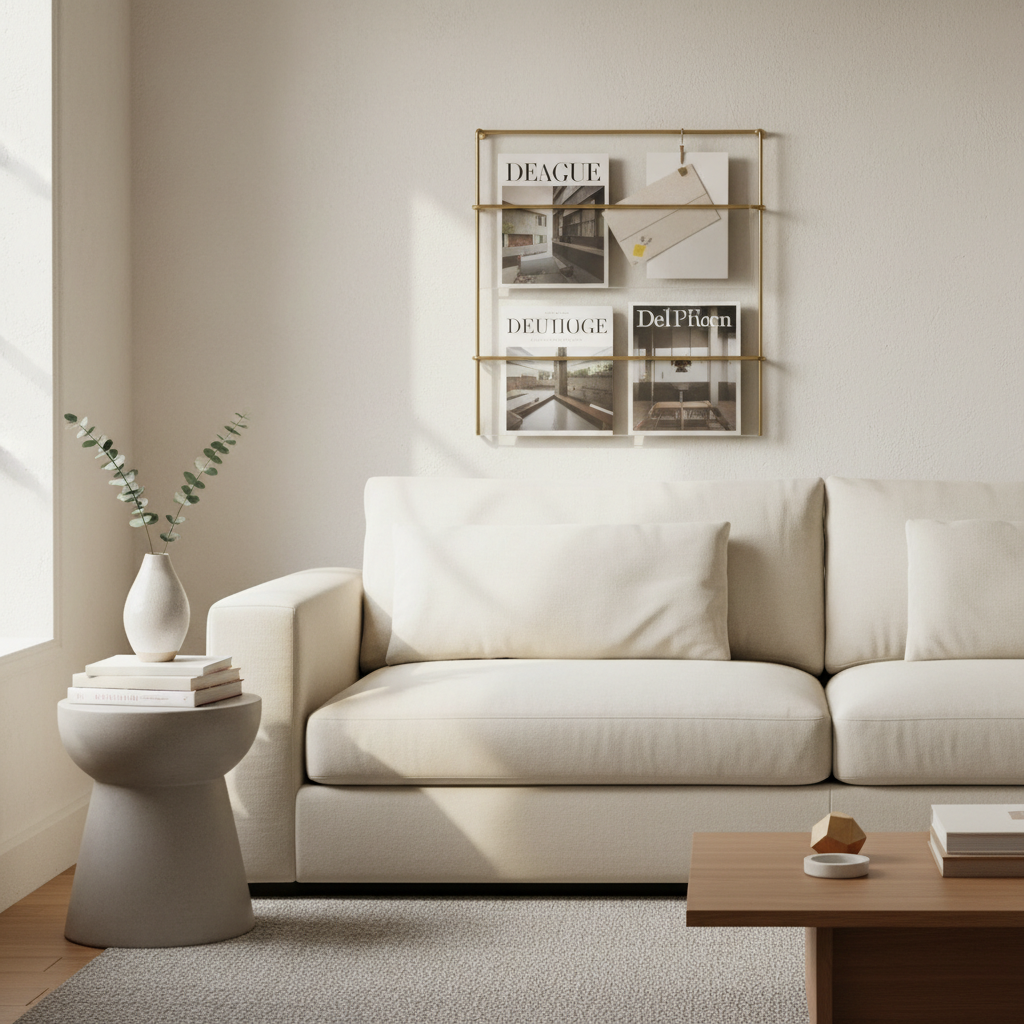
One quick reality check before we start, a wall rack is not just storage, it is also visual noise or visual calm, depending on placement and how full it gets. If you plan for that upfront, the rack stays helpful instead of turning into the next clutter hotspot.
What “best” really means for a living room wall rack
In living rooms, “best” usually means a mix of easy access, clean sightlines, and safe mounting. Bedrooms or offices can hide storage, but living rooms sit in the middle of everything, so small annoyances show up fast.
- Reach: You can grab a magazine with one hand without bumping lamps, frames, or the TV console.
- Capacity without bulk: Holds enough issues or books, but does not stick out like a shelf.
- Paper behavior: Glossy magazines slide, newspapers fold, mail stacks, kids pull. The rack needs edges or pockets that match the mess you really have.
- Wall type fit: Drywall with studs, plaster, brick, or tile each changes what hardware makes sense.
According to U.S. Consumer Product Safety Commission (CPSC) guidance on tip-over and home safety, secure mounting and proper hardware matter when items can fall or be pulled, especially around children. A wall-mounted rack is lighter than a cabinet, but a poorly anchored rack can still drop sharp corners or heavy books.
Styles you will see most often, and who they work for
When people search for the best wall mounted magazine rack for living room use, they are often choosing between a few common shapes. Each solves a different problem, so pick based on behavior, not just décor.
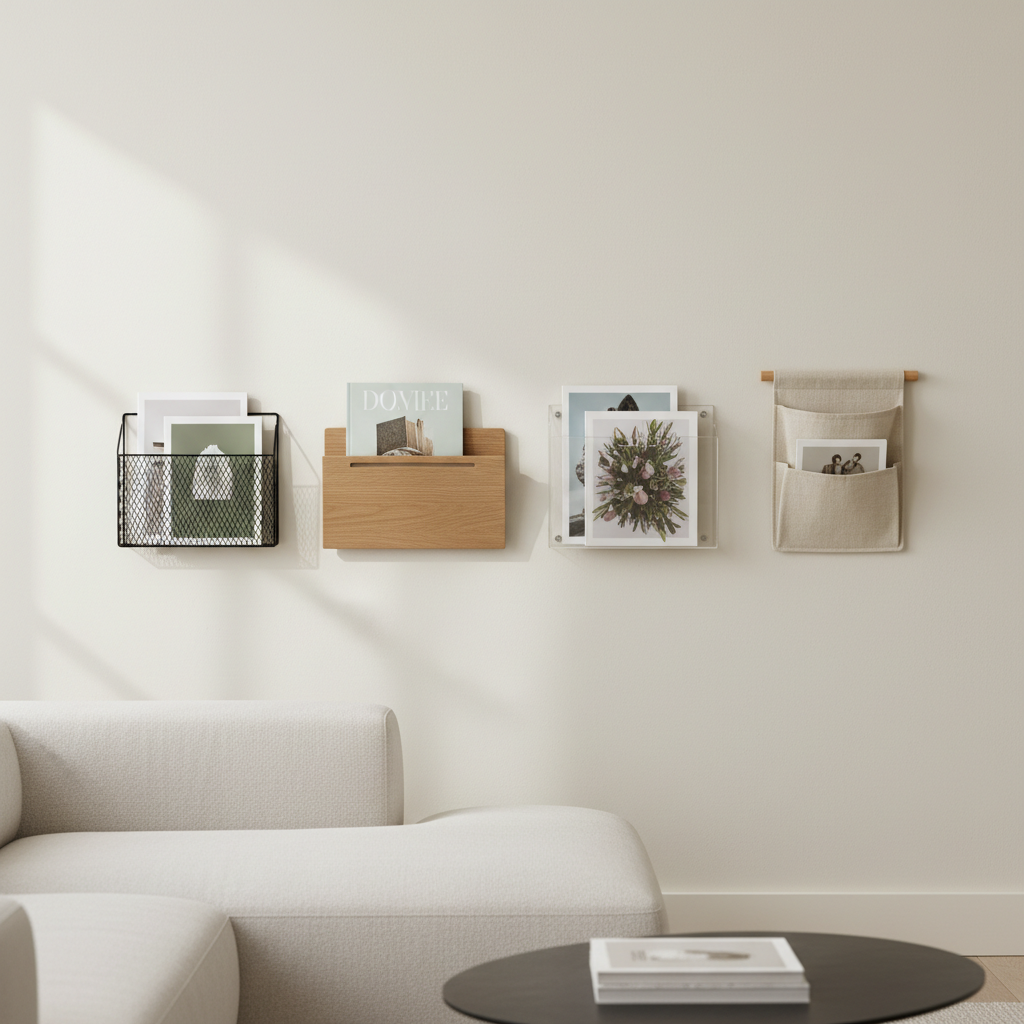
Pocket rack (fabric, felt, leather, canvas)
Great when you want to hide paper edges and keep the room calmer. Pockets also reduce sliding, which helps if you store thin catalogs or mail.
- Best for: mail, kids books, thinner magazines
- Watch for: stretching over time, especially with heavy art books
Wire or metal grid rack
Airier visually, often more durable, and usually easier to wipe clean. If you like an industrial or modern look, this is the safe bet.
- Best for: frequent use, households that want “drop zone” storage
- Watch for: sharp corners, and magazines that curl if the support bars are too wide
Wood slat or ledge rack
Works well in cozy or mid-century spaces, and it can look like intentional wall décor. A ledge style can also display covers like a mini gallery.
- Best for: display-forward living rooms, curated magazine collections
- Watch for: glossy covers sliding if the lip is too shallow
Acrylic or clear rack
If you want storage that visually disappears, acrylic is a classic choice. It can look great, but quality varies a lot, and thin acrylic may flex.
- Best for: small spaces, minimalist rooms
- Watch for: cracking around screw holes if over-tightened
Quick comparison table (choose your direction fast)
Use this as a shortcut, then fine-tune with size and mounting details in the next sections.
| Type | Looks like | Best use | Main drawback |
|---|---|---|---|
| Pocket (fabric/felt/leather) | Soft pockets | Mail + magazines, less visual clutter | Can sag or stretch |
| Wire/metal | Open frame | High-traffic, durable everyday use | Edges can look busy |
| Wood ledge/slat | Wall ledge | Display covers, warmer style | Sliding if lip is shallow |
| Acrylic/clear | Nearly invisible | Small rooms, minimal visual weight | Flexing or cracking if thin |
Sizing and placement: the part most people underestimate
A rack can be beautiful and still feel wrong if it sits at an awkward height or sticks out into the walkway. Before buying, measure the wall area and the “reach zone” where your hand naturally goes.
- Mounting height: For most adults, the sweet spot is around chest to shoulder height for quick grabbing. If it is for kids books, go lower.
- Depth off the wall: Slim is good, but too slim can crush spines or bend covers. If you store thicker magazines or slim books, a bit more depth helps.
- Near seating: The best placement is often beside the sofa or near a reading chair, not behind it. Behind seating looks tidy, but people stop using it.
- Away from heat and sunlight: Direct sun can fade covers and make paper brittle over time. Near vents, pages can flutter and look messy.
If you want the best wall mounted magazine rack for living room use in a small space, consider placing it vertically on a narrow wall slice, for example between a window and a bookcase. That often preserves floor space and keeps the room looking intentional.
Materials and build quality: what to check before you buy
Listings rarely tell you what matters in daily use, so here are the signals that usually separate a “looks good online” rack from one that stays sturdy.
- Mounting points: Two anchors is okay for light loads, but multiple mounting points spread weight better for heavy reading stacks.
- Edge finish: Rounded edges matter if the rack sits near a walkway or kids play area.
- Rust resistance: For metal, powder-coated or treated finishes hold up better, especially in humid climates.
- Wood movement: Solid wood can expand or contract a bit with humidity, while MDF stays stable but can chip. Either can work, you just want decent thickness and clean joints.
- Load expectations: If you plan to store books, not just magazines, assume the weight climbs quickly and choose hardware accordingly.
One more practical tell, if the product photos only show two thin magazines, that sometimes hints the rack is not built for much more. Not always, but it is a pattern.
Installation that feels solid (and avoids wall damage)
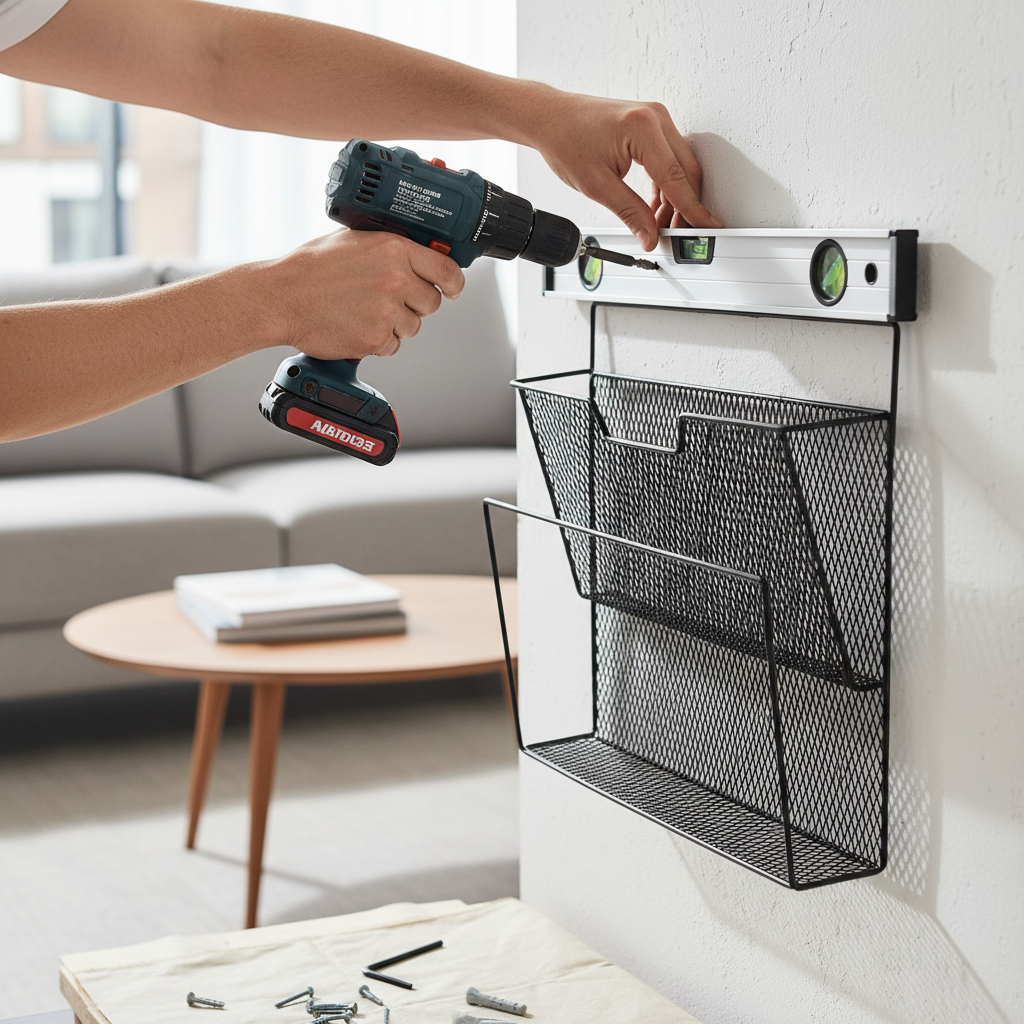
A wall rack is simple to hang, but the “solid” feeling comes from matching fasteners to the wall, not from tightening harder. If you are unsure about your wall type, it may be worth asking a handyman or contractor, especially in older homes with plaster.
Drywall with studs
- Use a stud finder, aim for at least one screw into a stud when possible.
- If the rack spans two studs, even better, it reduces wobble.
Drywall without a stud where you need it
- Use appropriate drywall anchors rated for the expected load.
- Do not assume “heavy duty” is universal, anchor performance varies by design and wall condition.
Masonry (brick, concrete)
- Use masonry screws or plugs made for brick or concrete, plus a hammer drill if needed.
- If you rent or want fewer holes, consider lighter racks and limit load.
According to OSHA, using the correct tool and bit for the material reduces slip and injury risk during drilling, and helps produce cleaner holes. That sounds basic, but it is where most “my screws won’t hold” situations begin.
A quick self-checklist before you choose
If you only do one thing, do this quick sort. It usually leads you to the right style faster than scrolling through hundreds of options.
- What are you storing, really: magazines only, mail and catalogs, kids books, or coffee-table books
- How often you grab items: daily drop zone or occasional reading stash
- How tidy you want it to look: covers on display, or edges hidden
- Who uses it: adults only, or kids and guests too
- Wall constraints: studs available, rental rules, plaster, brick
- Cleaning reality: dust shows more on open wire racks, smudges show more on acrylic
When those answers feel clear, finding the best wall mounted magazine rack for living room needs stops feeling like décor guesswork and starts feeling like choosing the right tool.
Common mistakes (and small fixes that help)
Most “I bought the wrong one” problems are predictable. Here are the ones I see most often, plus an easy adjustment when possible.
- Mounting too high: It looks clean, then nobody uses it. Fix by lowering it to a natural grab height.
- Overfilling: Even a great rack looks messy when stuffed. Create a rule, for example keep the newest 5 issues and recycle the rest.
- Choosing shallow ledges for slick covers: Add a small non-slip liner strip, or switch to a pocket style.
- Ignoring the walkway: If the rack sticks out near a hallway path, it becomes a shoulder-bumper. Choose a slimmer design or move it closer to a corner.
- Wrong anchors: If it wiggles on day one, it will get worse. Re-mount with correct anchors or hit studs.
Key takeaway: a wall rack works best when it is treated like a small “system,” not a one-time décor purchase. A simple purge habit keeps it looking intentional.
Conclusion: picking a rack you will still like in six months
The most reliable way to land on the best wall mounted magazine rack for living room needs is to start with behavior, then confirm size, then confirm mounting. If your living room is a high-traffic drop zone, a sturdier metal rack often makes life easier; if you want calmer visuals, pockets or a wood ledge tends to blend in better.
If you are choosing today, do two quick actions, measure the wall space and decide your “maximum paper limit” so the rack never becomes overflow storage.
FAQ
- What size wall mounted magazine rack works best for a living room?
It depends on what you store, but many living rooms do well with a rack that holds a week or two of reading, not a full year. If you routinely keep thick issues or slim books, prioritize depth and sturdier mounting points. - Where should I hang a magazine rack in the living room?
Near where people actually sit and read is usually best, like beside a sofa arm or next to a reading chair. If it is meant as a mail drop zone, placing it closer to the entry path can work, as long as it does not crowd the walkway. - Are wall mounted magazine racks safe around kids?
Many can be, but safety depends on secure mounting and avoiding sharp corners. If kids might pull on it, consider a softer pocket rack, mount into studs when possible, and keep heavier books elsewhere. - Can a wall magazine rack hold books?
Some can, especially deeper metal or wood designs, but not all. Treat “book-friendly” as a higher load requirement, and use appropriate anchors; if you are uncertain, ask a professional to avoid wall damage. - How do I keep the rack from looking cluttered?
Pick a design that hides paper edges if visual calm matters, and set a limit, like five magazines max. Another trick, keep only matching sizes in the rack and store oversized items elsewhere. - Will acrylic racks yellow or crack over time?
Higher-quality acrylic tends to stay clear longer, but sun exposure and stress at screw holes can cause issues. Avoid over-tightening screws and keep it out of harsh direct sunlight when possible.
If you are trying to choose quickly, it helps to shortlist two or three styles, then match them to your wall type and how much paper you truly want visible. If you would rather skip the trial-and-error, look for a rack with solid mounting points, clear hardware guidance, and a capacity that matches your real weekly stack.