
Best compact washing machines for apartments usually come down to one thing, your hookup situation, because the “perfect” model for a laundry closet can be totally wrong for a no-hookup studio.
If you’ve been scrolling listings, you’ve probably noticed the same confusion everywhere, ventless vs vented, portable vs compact, 120V vs 240V, and a lot of vague claims about “quiet” or “space-saving.” In an apartment, those details aren’t trivia, they decide whether installation is painless or a weekend-ending headache.
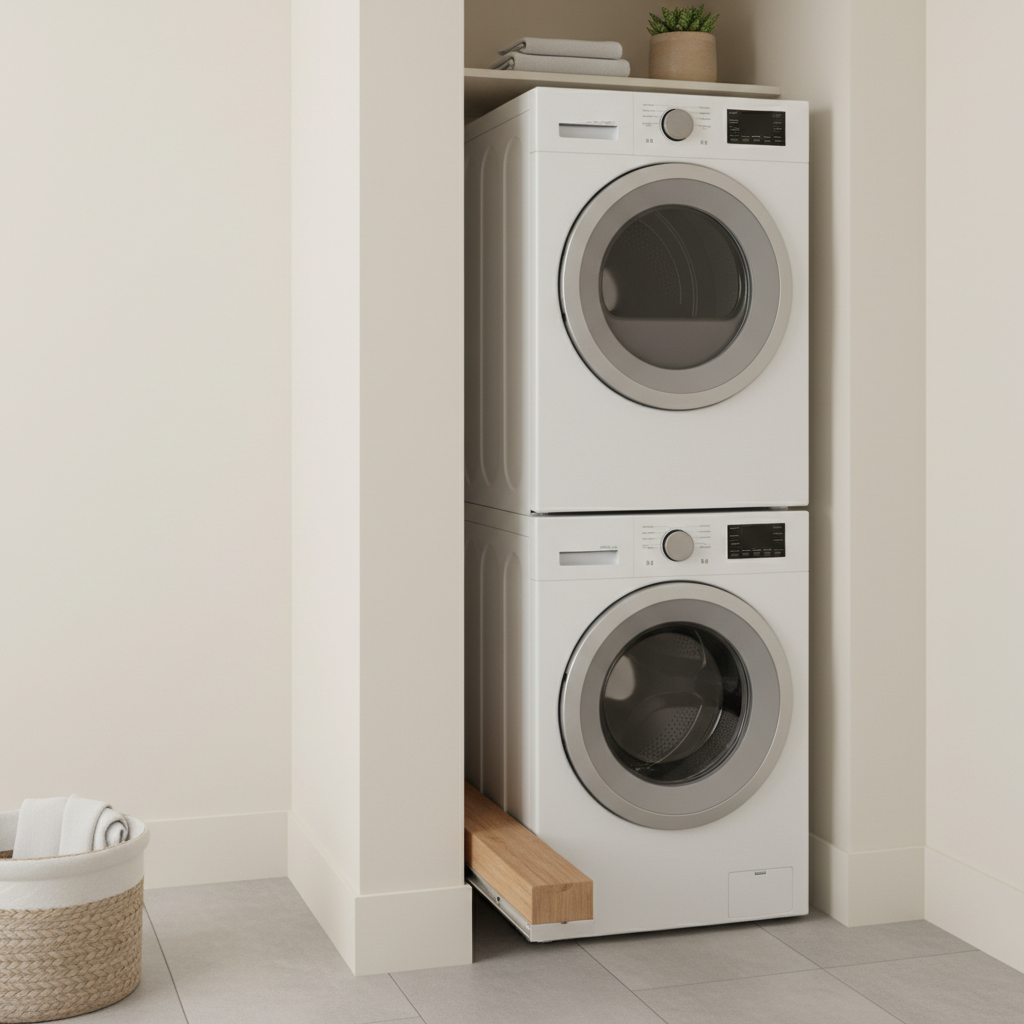
This guide helps you pick a washer that fits your space, your building rules, and your tolerance for noise and vibration. You’ll also get a quick checklist, a comparison table, and a few practical “buy this if…” scenarios so you can stop second-guessing.
Key takeaways: measure doorways, confirm hookups, prioritize vibration control, and don’t overbuy capacity if you can’t run full loads.
Start here: what “compact” actually means in apartments
In U.S. shopping results, “compact washer” can mean three different product types. Knowing which bucket you’re in saves a lot of time.
- 24-inch compact front-load washers: built-in style, typically 2.0–2.6 cu ft, meant for under-counter or closet installs, often paired with a compact dryer.
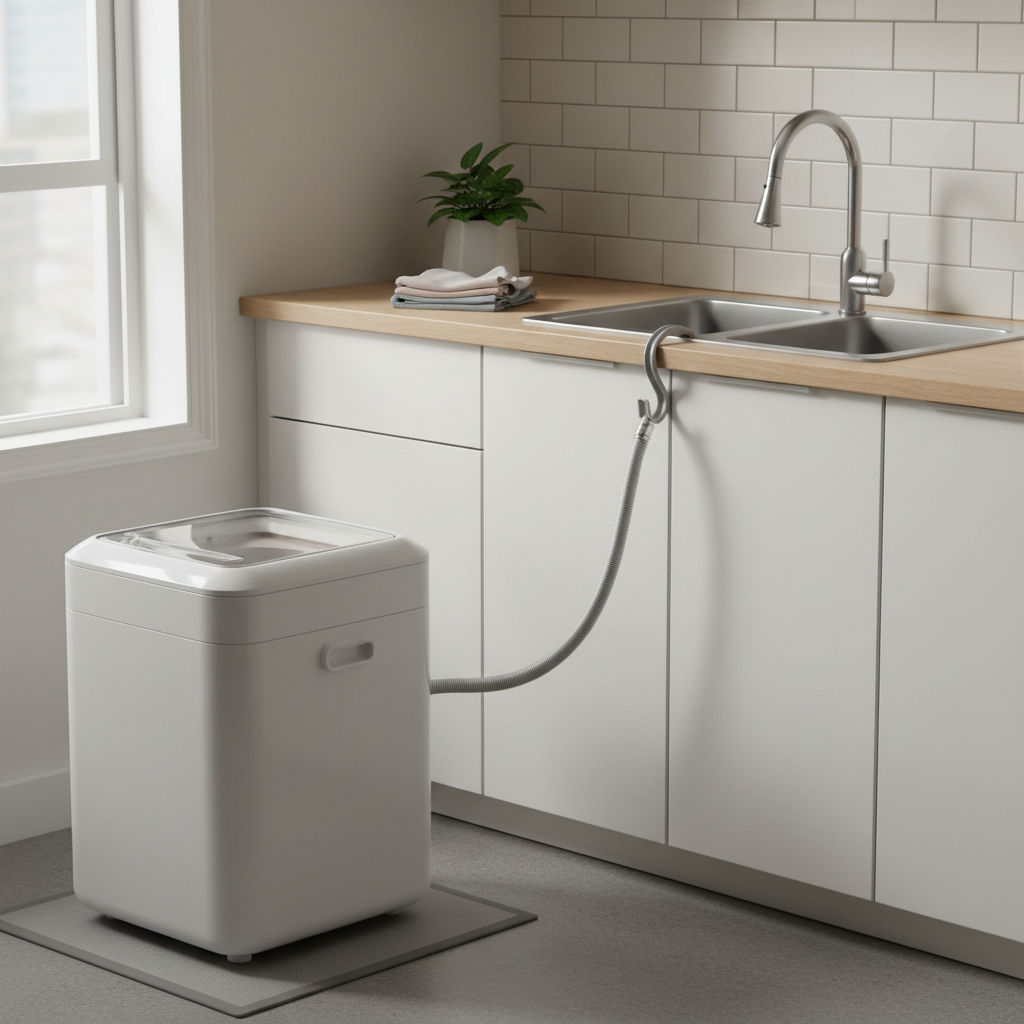
- Portable washers: roll-away or countertop-friendly designs that connect to a sink faucet and drain to a sink or tub, usually smaller capacity.
- Washer-dryer combos: one machine that washes and dries, great for space, but drying can be slower and more sensitive to load size.
According to ENERGY STAR, certified clothes washers can help reduce water and energy use compared with standard models, which matters when you’re paying utilities or your building charges shared costs.
Apartment constraints that matter more than brand
A lot of buyers focus on brand first, but in apartments the constraints usually choose the category for you.
Hookups and electrical
- Water supply: Do you have hot/cold valves (standard laundry hookups) or only a sink?
- Drain: Standpipe drain behind the machine vs draining into a sink.
- Power: Many compact units run on 120V, while some higher-performance options may need 240V. If you’re unsure, check the outlet type and your lease rules.
Ventilation for drying (if you’re pairing with a dryer)
- Vented dryer: needs a vent path, often not possible in many apartments.
- Ventless dryer: typically heat pump or condenser, easier installs but longer dry times are common.
Noise, vibration, and “downstairs neighbor” reality
Compact units can still shake a lightweight apartment floor. Look for strong spin balance systems, anti-vibration design, and adjustable feet. If your building has quiet hours, this becomes a real buying criterion, not a nice-to-have.
Quick self-check: which compact washer type should you buy?
If you’re not sure where you land, use this quick decision list. It’s blunt on purpose.
- You have standard laundry hookups in a closet → look at 24-inch compact front-load washers.
- You have no hookups, but you have a sink and storage space → portable washer makes more sense.
- You have hookups but no venting and limited space → washer-dryer combo or compact washer + ventless dryer.
- You move often or rent short-term → portable washer or a lighter compact model you can take with you.
- You wash bulky items weekly → prioritize drum volume and spin performance over ultra-tiny dimensions.
One more reality check, if your building bans in-unit laundry, don’t try to “outsmart” the rules. Leaks and drainage issues can get expensive fast, and you may want to ask your property manager before buying.
Comparison table: what to look for when shopping
Here’s a practical cheat sheet you can keep open while browsing product pages for the best compact washing machines for apartments.
| What you’re comparing | Why it matters in an apartment | What to look for |
|---|---|---|
| Width / depth / height | Fits closet, door swing, and delivery path | 24-inch class, plus add 1–2 inches for hoses and airflow |
| Capacity (cu ft) | Too small means constant loads, too big may not fit | Often 2.0–2.6 cu ft for compact built-ins |
| Spin speed (RPM) | Higher spin can reduce drying time, but may vibrate more | Look for balance control and solid feet, not RPM alone |
| Noise / vibration features | Thin walls, shared floors, quiet-hour rules | Anti-vibration design, out-of-balance sensing, “quiet” modes |
| Water/energy efficiency | Lower utility costs, less heat/humidity in small spaces | ENERGY STAR certification, cold-wash performance options |
| Installation style | Lease restrictions and DIY friendliness | Stackable, under-counter, or portable faucet adapter |
Picking the right model by apartment scenario (the “buy this if…” section)
Instead of naming a single “winner,” it’s more honest to match features to where you live. This is how many shoppers actually end up happy with their purchase.
If you have a tight laundry closet
- Choose: 24-inch compact front-load washer, ideally stackable.
- Prioritize: reversible door (if available), shallow depth, easy-access lint/coin trap area, and service clearance.
- Watch out for: door swing hitting a wall or blocking the closet opening.
If you have no hookups and need a sink-connection setup
- Choose: portable washer with quick-connect faucet adapter and a secure drain hose hook.
- Prioritize: weight (you may roll it), leak protection, and a faucet compatibility plan.
- Watch out for: pull-out kitchen faucets and uncommon faucet threads that don’t accept standard adapters.
If you want one machine that does it all
- Choose: washer-dryer combo if you can tolerate longer dry cycles and smaller drying loads.
- Prioritize: ventless drying type, filter maintenance access, and humidity management in your space.
- Watch out for: overloading for the wash phase, many combos need smaller loads to dry well.
Practical shopping checklist (before you hit “Buy”)
This is the part most people skip, then they end up returning a 200-pound appliance because it can’t clear a corner. Run this list once, it takes 10 minutes.
- Measure the space: width, depth, height, and leave room for hoses, door swing, and airflow.
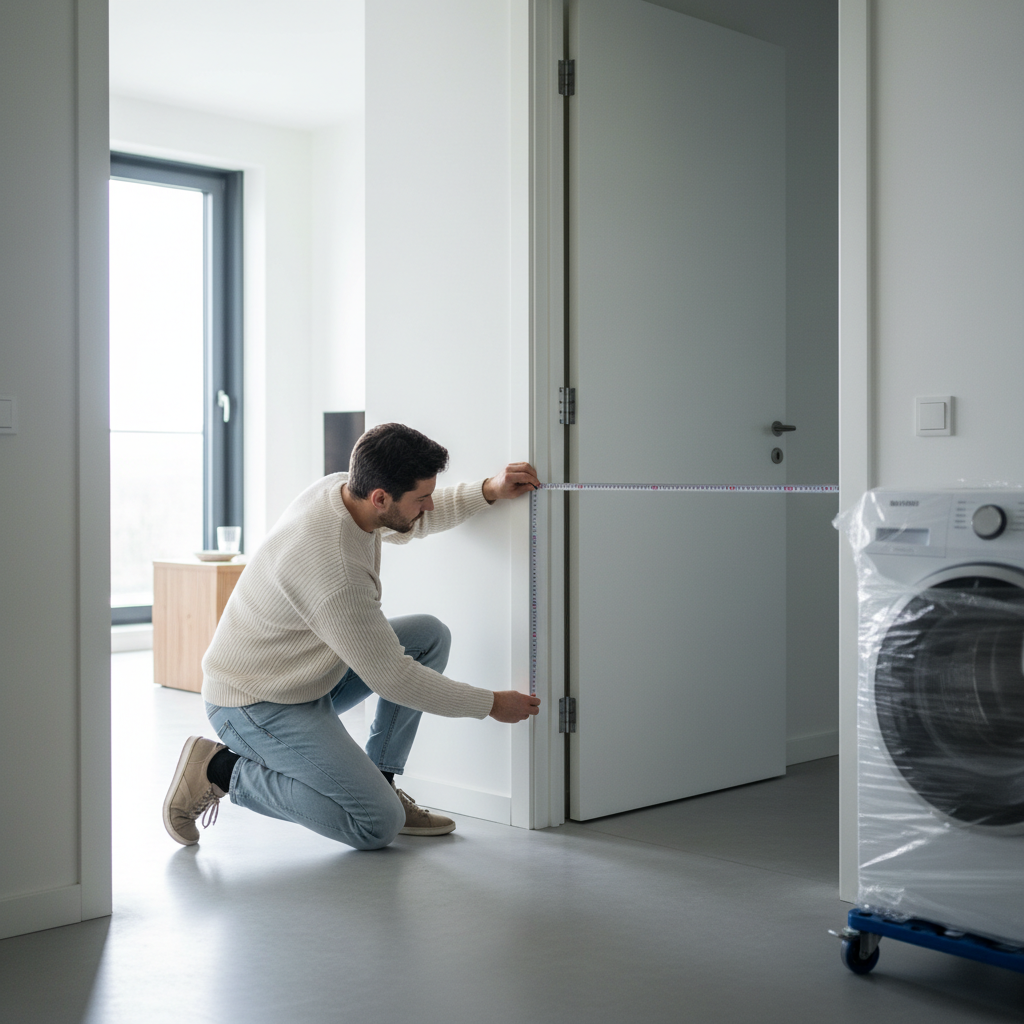
- Measure the route: building entrance, elevator, hallway turns, and your apartment door opening.
- Confirm hookups: valve type, drain location, and outlet voltage, take a photo if needed.
- Check building rules: some condos limit in-unit laundry, or require drip pans.
- Plan for vibration: confirm your floor type, and budget for anti-vibration pads if appropriate.
- Service reality: where’s the closest authorized service option, and how long is the parts warranty?
If you’re comparing options for the best compact washing machines for apartments, keep your must-haves short. In apartments, “fits and installs cleanly” beats fancy cycles almost every time.
Common mistakes that make compact washers disappointing
- Buying capacity on paper, not in practice: compact drums can be efficient, but bulky bedding may not tumble well.
- Ignoring detergent limits: many modern machines need HE detergent, too much soap causes residue and odors.
- Over-trusting “quiet” claims: a smooth motor helps, but floor stiffness and leveling often matter more.
- Skipping leveling: even a great machine can walk if it isn’t leveled carefully.
- Forgetting humidity: in small apartments, ventless drying or frequent hot washes can raise indoor humidity, a dehumidifier may help depending on your climate.
According to the U.S. Consumer Product Safety Commission, appliances should be installed and used according to manufacturer instructions to reduce safety risks, which is extra relevant when you’re improvising in a tight rental space.
Conclusion: a simple way to choose confidently
The best compact washing machines for apartments are the ones that match your hookups, your space, and your building’s constraints, not the ones with the most features. If you do two things, measure the delivery path and confirm your water/drain setup, you’ll avoid most of the painful surprises.
Pick your category first, then compare 2–3 models using the table above. After that, the “right” washer usually becomes obvious.
Next step: write down your exact space measurements and hookup type, then filter your shortlist to machines that truly fit, you can shop smarter in one evening instead of circling for weeks.