
kitchen counter organization ideas no clutter starts with one honest rule, your counters are workspaces, not storage. If your coffee gear, mail pile, and small appliances keep creeping back, it’s usually not laziness, it’s a setup problem.
Clear counters look good, but the real payoff is speed, less wiping around stuff, fewer “where did I put it” moments, and a kitchen that feels easier to walk into at 7 a.m. The goal here isn’t a showroom, it’s a counter you can actually use without shuffling items from one corner to another.
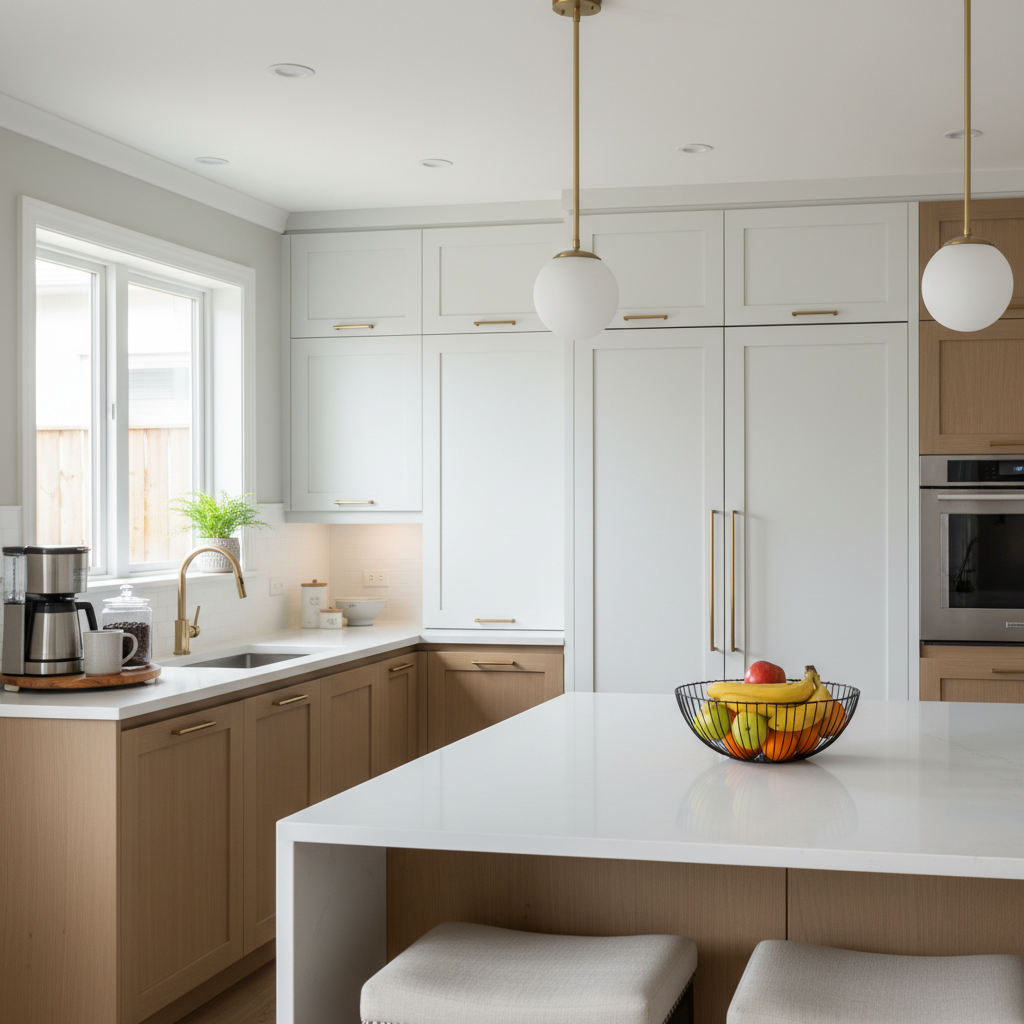
Below, you’ll get a practical way to decide what deserves countertop space, how to create “zones” that don’t sprawl, and a few routines that keep clutter from returning. I’ll also call out the popular organizing moves that look nice but often fail in real kitchens.
Why counters get cluttered (it’s rarely just “too much stuff”)
Most countertop chaos comes from a handful of predictable patterns. If you recognize yours, the fix gets a lot simpler.
- No assigned homes for daily items, so they default to the nearest flat surface.
- Access problems, cabinets are overpacked or inconvenient, so you leave things out to avoid hassle.
- Multiple drop zones, keys, mail, kids’ papers, and packages land in three different spots, then merge into one pile.
- Too many “just-in-case” appliances, the blender, air fryer, stand mixer, toaster oven, all competing for the same real estate.
- Cleaning friction, when wiping the counter requires moving 12 items, you stop resetting the space.
According to NSF International, kitchen surfaces are among the most germ-prone areas in many homes, which is one more reason to keep counters easier to wipe and dry. No need to obsess, just set the space up so cleaning feels quick, not like a project.
A fast self-check: what should live on your counter vs. get stored
Before buying bins or risers, do this quick audit. It’s blunt, but it works.
Counter-worthy items usually meet 2+ of these
- Used daily or nearly daily (coffee maker, dish soap, maybe a knife block).
- Hard to store safely (some heavy appliances, if lifting strains you).
- Supports a specific zone (coffee station, cooking prep, dishwashing).
- Has a contained footprint (fits on a tray or in one defined corner).
Better stored (even if you like seeing it)
- Backstock food, extra mugs, novelty gadgets.
- Paper stacks, coupons, instruction manuals.
- Seasonal appliances used weekly or less.
- Decor that forces you to “work around” it.
If you want a simple decision rule, try this: if an item doesn’t earn its spot every day, it should be able to disappear in under 30 seconds.
Set up 3 core counter zones (and keep them from spreading)
The most reliable kitchen counter organization ideas no clutter come down to zoning. Not elaborate labels, just clear boundaries.
1) Prep zone
This is your main open runway. Keep it intentionally boring: cutting board (stored vertically is fine), a crook for utensil crock only if you truly use it daily, and maybe salt if you cook every day.
- Goal: at least 18–24 inches of uninterrupted space, if your kitchen allows.
- Rule: nothing permanent that blocks chopping or mixing.
2) Cooking zone
Near the stove, limit what sits out to heat-safe essentials. Oils and spices on the counter can work, but only if they stay contained and away from direct heat.
- Use a small tray for oil and salt so you can lift-and-wipe.
- Store most spices in a drawer or cabinet, keep a tiny “weekly rotation” out.
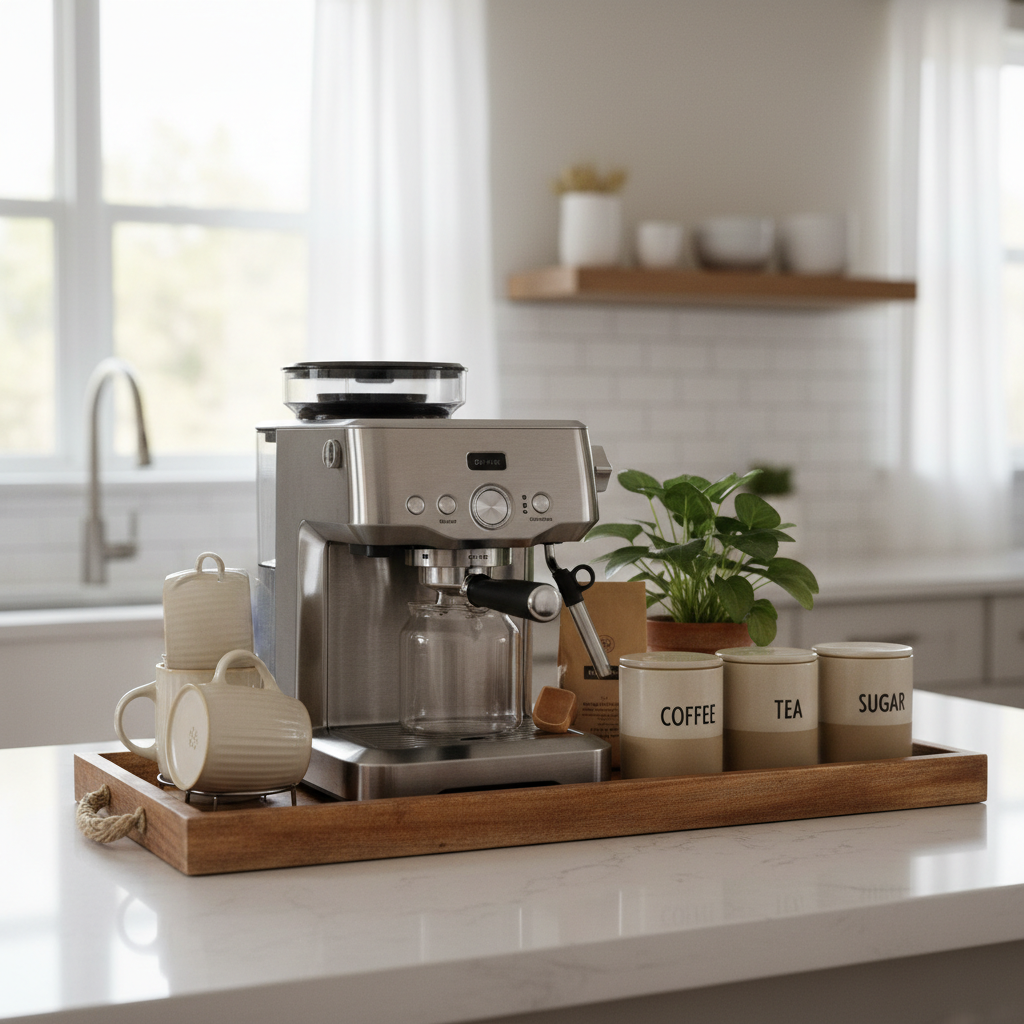
3) Beverage or “morning” zone
This is where counters often get messy because routines repeat daily. Corral it: coffee/tea setup, mugs, sweetener. The trick is one footprint, one zone, one restock spot.
- Put everything on a tray or compact organizer.
- Keep refills nearby, not on the counter (extra pods, filters, tea boxes).
The “one-touch” reset: the simplest routine that actually sticks
If counters get cluttered again and again, the missing piece is a reset that doesn’t feel like cleaning the whole kitchen. Try a one-touch rule: every item gets moved once, to its home, no temporary piles.
- Night reset (3–5 minutes): clear prep zone, run a wipe, empty the sink edge, return strays to homes.
- Midday micro-reset (60 seconds): toss junk mail, put away delivery items, re-center the tray zones.
People often skip resets because they require decision-making. So reduce decisions: fewer counter items, fewer categories, and obvious storage locations.
Storage swaps that reduce visual clutter without killing convenience
Not every kitchen can hide everything. But you can make what remains look intentional and feel easier to use.
High-impact swaps
- Tray everything that stays out, soap and sponge, oils, coffee items, even fruit. It reads as “organized” and makes wiping quick.
- Go vertical, use a paper towel holder under a cabinet, add adhesive hooks inside cabinet doors for measuring cups, mount a slim rail if your layout supports it.
- Drawer-first thinking, many tools that live in crocks can live in a top drawer with a divider.
- Use a small appliance garage if you have one, or a dedicated cabinet shelf near an outlet to keep appliances accessible but out of sight.
According to NKBA (National Kitchen & Bath Association), good kitchen design prioritizes workflow and accessibility. You don’t need a remodel to borrow the idea, keep tools near where you use them, and remove anything that interrupts the flow.
What to do with paper, charging, and the stuff that isn’t “kitchen”
This is the hidden villain behind many kitchen counter organization ideas no clutter, counters become the house’s message board and charging station.
Create one “landing strip” that isn’t the main counter
- Use a narrow tray near an outlet for charging, but keep it off the prep zone.
- Put a small vertical file or wall pocket for mail, then set a 2-day rule: sort or shred within 48 hours.
- If you have kids’ papers, one bin per child works better than one family pile.
If your only option is the kitchen counter, pick the least disruptive corner and contain it tightly. Uncontained paper spreads fast because it weighs nothing and stacks forever.
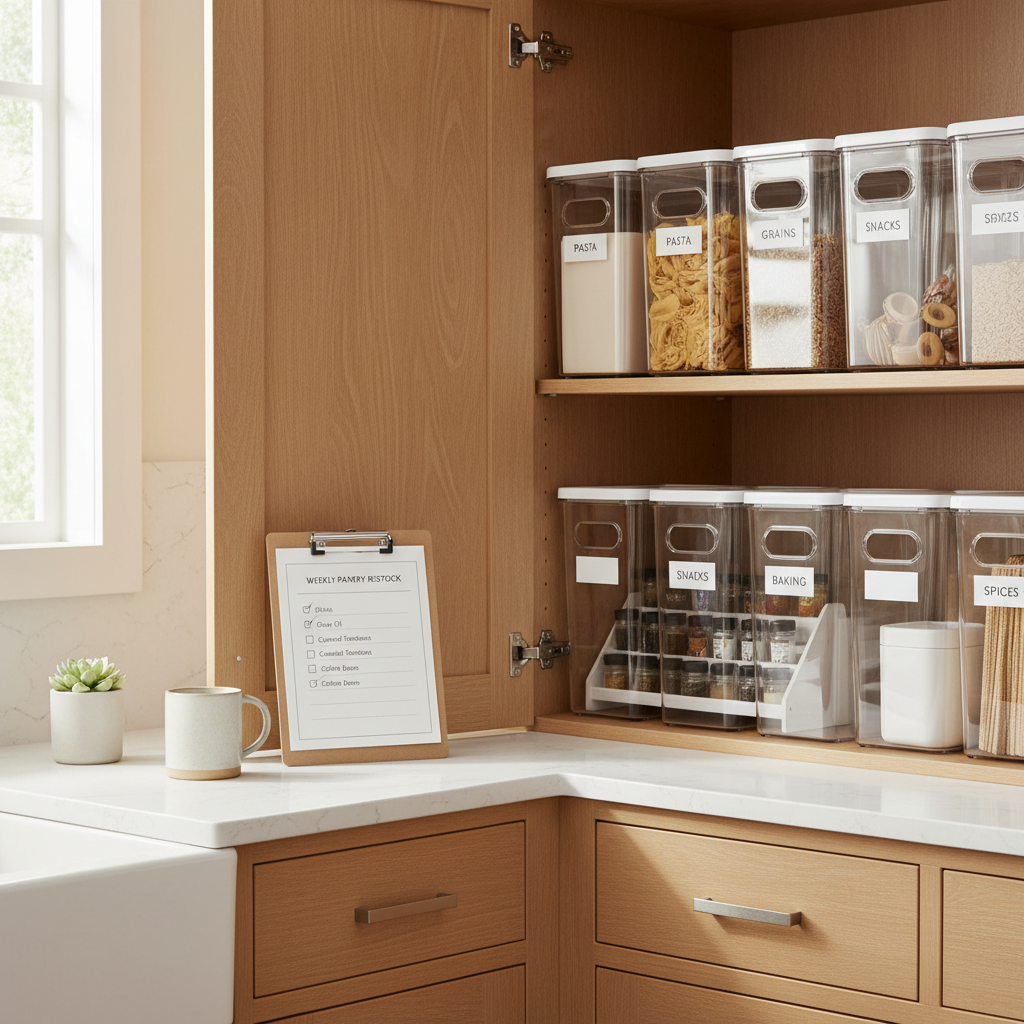
Quick plan by kitchen type (table you can copy)
Different kitchens need different “clear counter” strategies. Use this as a starting point and adjust to your layout.
| Kitchen situation | Main problem | What to try this week |
|---|---|---|
| Small apartment kitchen | No space for appliances + prep | Keep only one daily appliance out, store the rest in one designated cabinet shelf near an outlet |
| Family kitchen with lots of traffic | Paper + backpacks + snacks take over | Create a contained landing zone, add one snack bin in pantry, clear prep zone stays off-limits |
| Open-concept kitchen | Visual clutter is always on display | Tray zones, match containers, limit countertop colors, move extras behind closed doors |
| Love to cook, many tools | Too many “essentials” | Rotate tools weekly, keep a “cooking caddy” in a cabinet, and commit to one clear prep runway |
Common mistakes that keep counters messy (even after you organize)
- Buying containers before editing. If you don’t reduce what lives on the counter, you just box up clutter.
- Oversized organizers. Big lazy Susans and racks can eat your workspace and become clutter magnets.
- Keeping duplicates “because it fits.” Space is not the same as a good home.
- Storing things too far from use. If it’s annoying to put away, it will stay out, almost every time.
- Ignoring safety around heat and outlets. Keep flammables away from burners, and if you’re unsure about cords and outlet load, it’s worth asking a qualified electrician.
Key takeaways (keep this short on purpose)
- Counters work best with zones, prep stays mostly clear, cooking stays contained, beverage setup stays corralled.
- Trays beat scattered items, they look cleaner and make wiping easy.
- The reset matters more than perfection, a nightly 3-minute reset prevents weekend declutter marathons.
- Paper needs a plan, otherwise it becomes your kitchen’s default storage category.
Conclusion: a calm counter is mostly a system, not willpower
When kitchen counter organization ideas no clutter works, it usually feels a little boring, less stuff out, clearer boundaries, and a reset you can do half-asleep. Pick one zone to fix today, then choose one habit that keeps it that way, most people see the biggest change from those two moves.
If you want an easy starting action, clear one 24-inch prep strip and commit to keeping that strip empty every night. That single boundary tends to pull the rest of the counter into line.