
Best storage headboards for small bedrooms make sense when your nightstand barely fits, your closet runs full, and every extra drawer feels like a small win.
If you are shopping this category, you are usually trying to solve two problems at once, you want your bed to look finished, and you want hidden storage without turning the room into a maze of furniture. The tricky part, not every “storage headboard” stores the same way, and some designs quietly steal inches you cannot spare.
This guide breaks down the main types, what to measure (and what people forget to measure), a quick comparison table, and practical picks based on how you actually use your bedroom, charging, reading, CPAP, books, or just trying to keep water glasses off the floor.
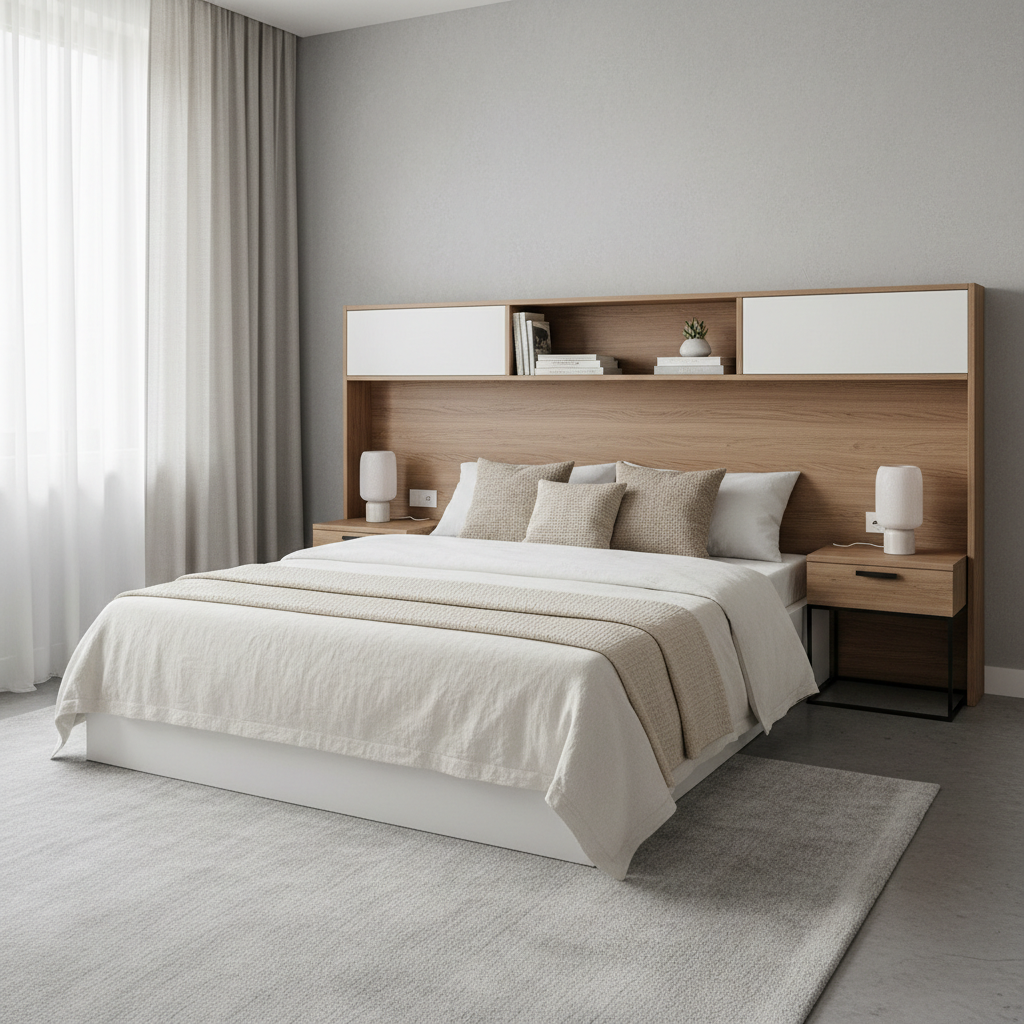
What “storage headboard” really means (and why it matters in a small room)
Storage headboards tend to fall into a few patterns, and each one behaves differently in a tight space. If you skim listings, they can look interchangeable, but living with them is not.
- Open-shelf headboards, easy access for books, glasses, small décor, and they visually “fill” the wall so you can skip extra furniture.
- Closed-cabinet headboards, doors hide clutter, better if you want the room to look calmer, but doors need swing room.
- Bookcase headboards, deeper shelves and side towers, lots of storage, but these can feel bulky in very narrow bedrooms.
- Headboards with built-in lighting/charging, not always “more storage,” but they reduce the need for a lamp or charging station, which is a form of space savings.
The small-bedroom angle is simple, storage is only helpful if it replaces something else. If your new headboard forces you to add a step stool to reach the top shelves, or blocks your window trim, you did not really gain space.
Before you buy: 7 measurements and checks people skip
Most returns happen because the headboard technically “fits,” but functionally it does not. Measure with painter’s tape on the wall if you can, it makes the tradeoffs obvious.
- Bed size match, Twin, Full, Queen, King, and note that some “full/queen” models look narrow on a queen.
- Total depth, especially if it has side towers or thick shelving, even 3–5 inches can change your walkway.
- Overall height, check for window sills, art placement, and whether shelves sit above comfortable reach.
- Outlet position, if your outlets sit behind the headboard, plan for cord routing cutouts, or use a recessed outlet solution with an electrician.
- Door and drawer clearance, if you choose closed storage, confirm doors can open without hitting walls, lamps, or pillows.
- Mattress thickness, tall mattresses can cover lower shelves or reduce usable cubby height.
- Wall type and mounting, wall-mounted units need secure anchoring, especially in drywall.
According to CPSC (U.S. Consumer Product Safety Commission), furniture tip-over incidents are a real safety concern, so anchoring tall, heavy bedroom furniture is worth treating as non-optional, especially around kids or pets.
Comparison table: choosing the right storage style fast
If you just want a quick “what should I pick” view, this table usually gets people 80% of the way there.
| Type | Best for | Space tradeoff | What to watch |
|---|---|---|---|
| Open shelves | Readers, simple bedside items | Low depth, feels airy | Visual clutter, dust, items can fall |
| Closed cabinets | Clutter control, calmer look | May need door clearance | Hinges, door swing into tight corners |
| Bookcase/tower | No closet space, lots to store | Often bulky | Blocks windows, tight walkways |
| Charging + light | Small nightstands or none | Minimal footprint | Cord management, certification details |
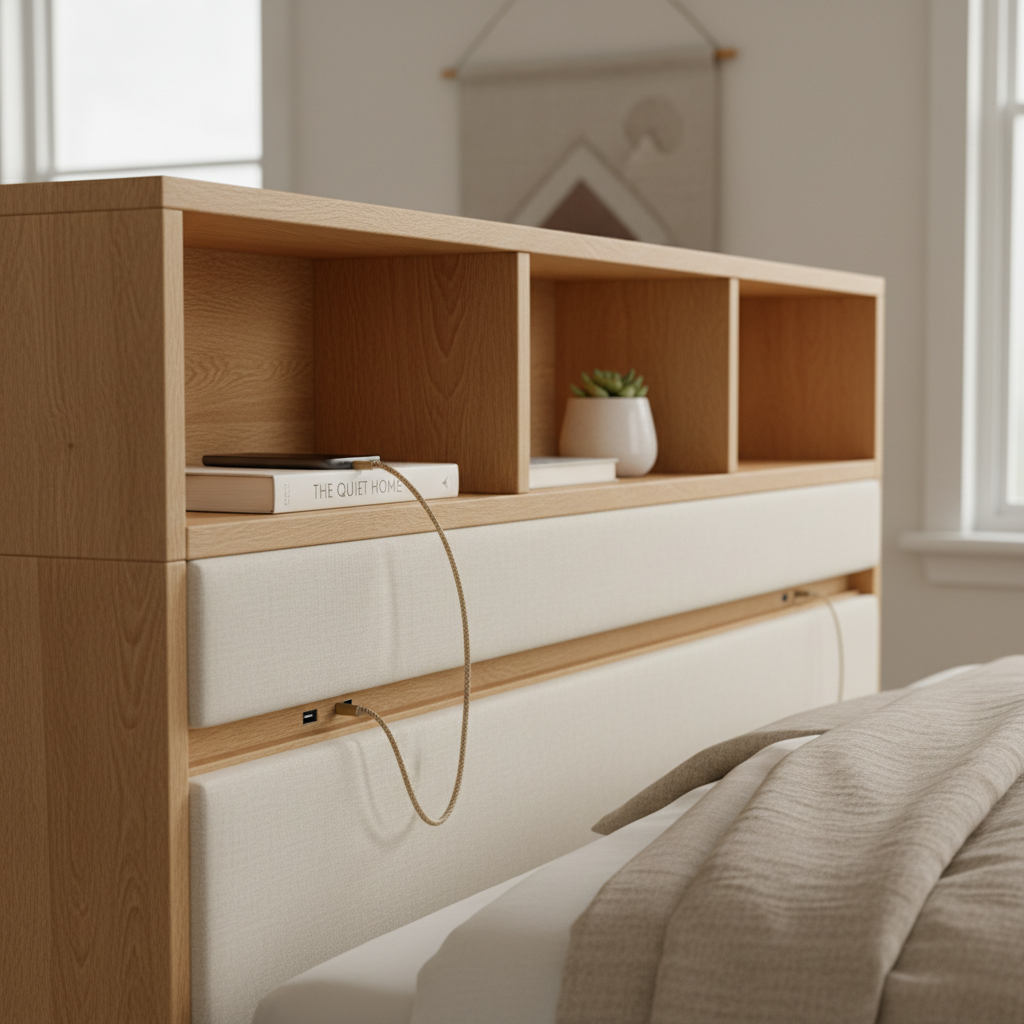
How to pick the best storage headboards for small bedrooms by your real-life routine
Shopping by “style” is fine, but you will be happier shopping by what happens at your bedside every day.
If your nightstand is tiny (or you want none)
- Look for a headboard with a wide, reachable shelf around pillow height.
- Prioritize built-in charging and a pass-through for cords.
- Keep shelf depth modest so pillows do not constantly rub items off the ledge.
If you read in bed and hate clutter
- Choose two-tier shelving, one for “now” items, one for backups.
- Prefer closed cubbies for chargers, meds, and random small stuff.
- Avoid super-tall bookcase styles if your room already feels tight.
If you share the bed and argue about space
- Pick a design with symmetrical compartments so both sides feel equal.
- Confirm shelf layout works with your pillow stack, some designs steal usable width.
If you use a CPAP or medical device
Look for stable surfaces and cable routing, and keep ventilation in mind. Medical needs vary, so if you are unsure whether a compartmented headboard creates heat buildup or awkward hose routing, it may be worth checking with a clinician or equipment provider.
Key features that actually matter (and which are mostly marketing)
Plenty of listings throw in buzzwords. In a small room, a few features consistently matter more than the rest.
- Cable management, cutouts, channels, and a place to hide a power strip keep the setup from looking messy.
- Rounded edges, you bump into furniture more in tight layouts, sharp corners get old fast.
- Material and finish, laminate is easy-care, solid wood can be durable but heavier, upholstered looks soft but collects dust and can stain.
- Adjustable height, helpful if you change mattresses later.
- Secure mounting, wall-mount or frame-mount should feel rigid, no wobble.
What is often less important than it sounds, “extra-deep shelves.” Depth can backfire in compact rooms, and it pushes your bed forward, shrinking your walkway.
Practical setup tips to make a storage headboard work in a tight layout
Even the right headboard can feel wrong if the room setup fights it. These are the small adjustments that usually make the space feel intentional.
- Go vertical on lighting, if your headboard has shelves, consider wall sconces (hardwired or plug-in) to free surface space.
- Use two zones, daily items on the lower shelf, rarely used items up high, so the “visual noise” stays contained.
- Limit shelf décor, one small object per side looks calmer than a row of tiny items.
- Route cords once, add adhesive cable clips, then stop redoing it weekly.
- Pair with a low-profile bed frame, this keeps the headboard from feeling oversized and helps shelves stay reachable.
If you are aiming for the “hotel tidy” look, closed storage plus one open shelf is often the sweet spot, it hides the mess but still feels convenient.
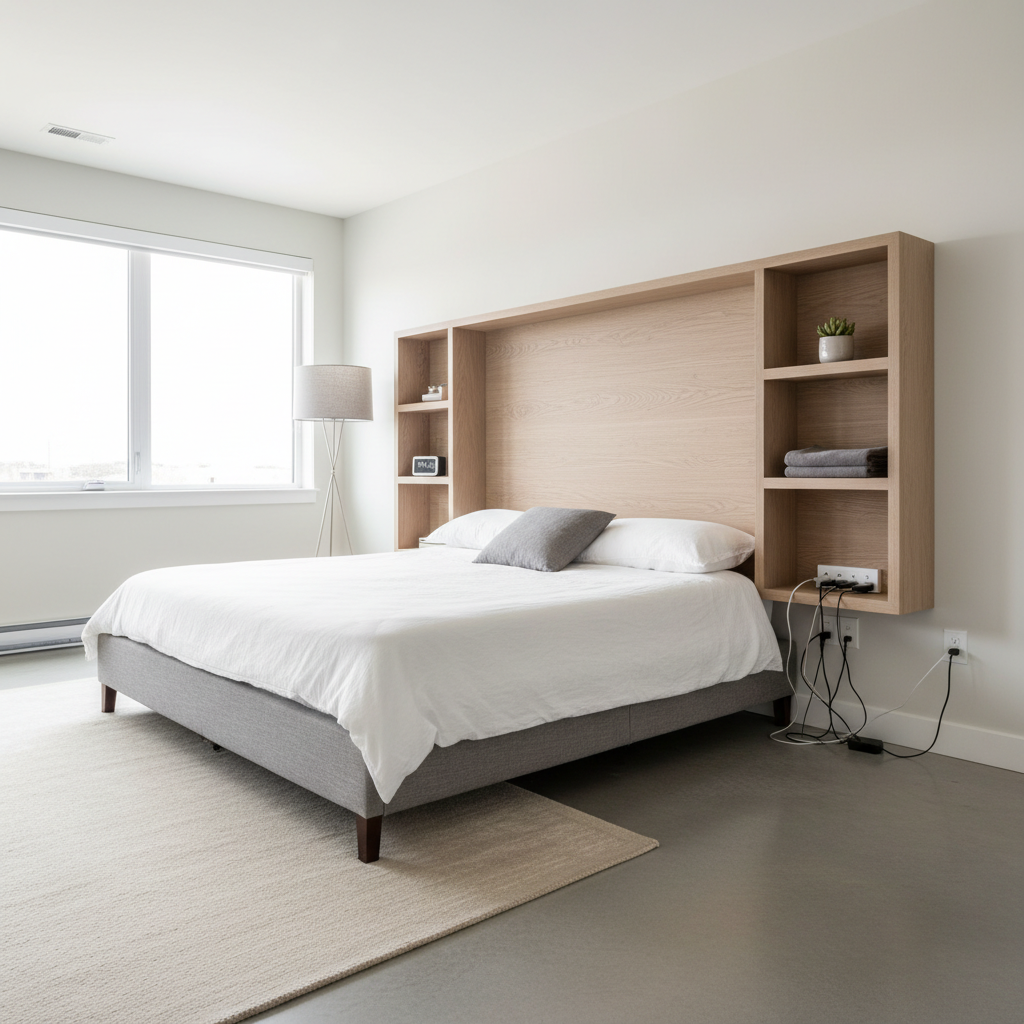
Common mistakes (and how to avoid them)
This category has a few predictable traps. If you recognize one of these, adjust before you click “buy.”
- Buying too tall, top shelves become dead space if you cannot reach them comfortably.
- Ignoring door swing, cabinet doors look clean online, but can be annoying in corner placements.
- Overloading shelves, particleboard shelves can sag if you stack heavy books, check weight guidance and spread load.
- No plan for outlets, if the headboard pins your plug behind it, you will hate charging your phone.
- Assuming “one size fits all”, the best storage headboards for small bedrooms vary by bed height, wall space, and how you move around the room.
According to NFPA (National Fire Protection Association), electrical safety starts with using products properly and avoiding overloading, so if you add power strips behind a headboard, keep airflow in mind and do not daisy-chain strips.
When it’s worth getting help (delivery, mounting, electrical)
If your headboard is heavy, wall-mounted, or includes integrated power, paying for professional assembly is often less stressful than trying to muscle it into place in a cramped room.
- If you need to drill into unknown wall material, a handyman can confirm anchors and studs.
- If you want recessed outlets or new wall lighting, an electrician keeps it safe and code-appropriate.
- If you live in a walk-up or have tight stairs, white-glove delivery can prevent damage to walls and the headboard finish.
It is not about being “bad at DIY,” it is about reducing the risk of an unstable install, especially where you sleep.
Conclusion: a simple way to choose confidently
The best storage headboards for small bedrooms are the ones that replace furniture, not the ones that add bulk. Measure the real pinch points, walkways, outlets, and door clearance, then choose a storage style that matches your routine, open shelves for easy access, closed storage when you want the room to feel calmer.
If you want a quick next step, pick one wall, tape out the headboard height and depth, then decide whether you are trying to eliminate a nightstand or simply tidy it. That single decision usually makes the rest of the choices much easier.