
The best way to clean hardwood floors naturally is simple: remove grit first, then use a lightly damp microfiber mop with a pH-friendly cleaner, and dry as you go so moisture never sits on the finish.
Most “natural” cleaning advice fails because it skips the boring details that actually protect wood, like how wet your mop should be, what finishes can tolerate, and why some DIY ingredients leave residue that attracts more dirt.
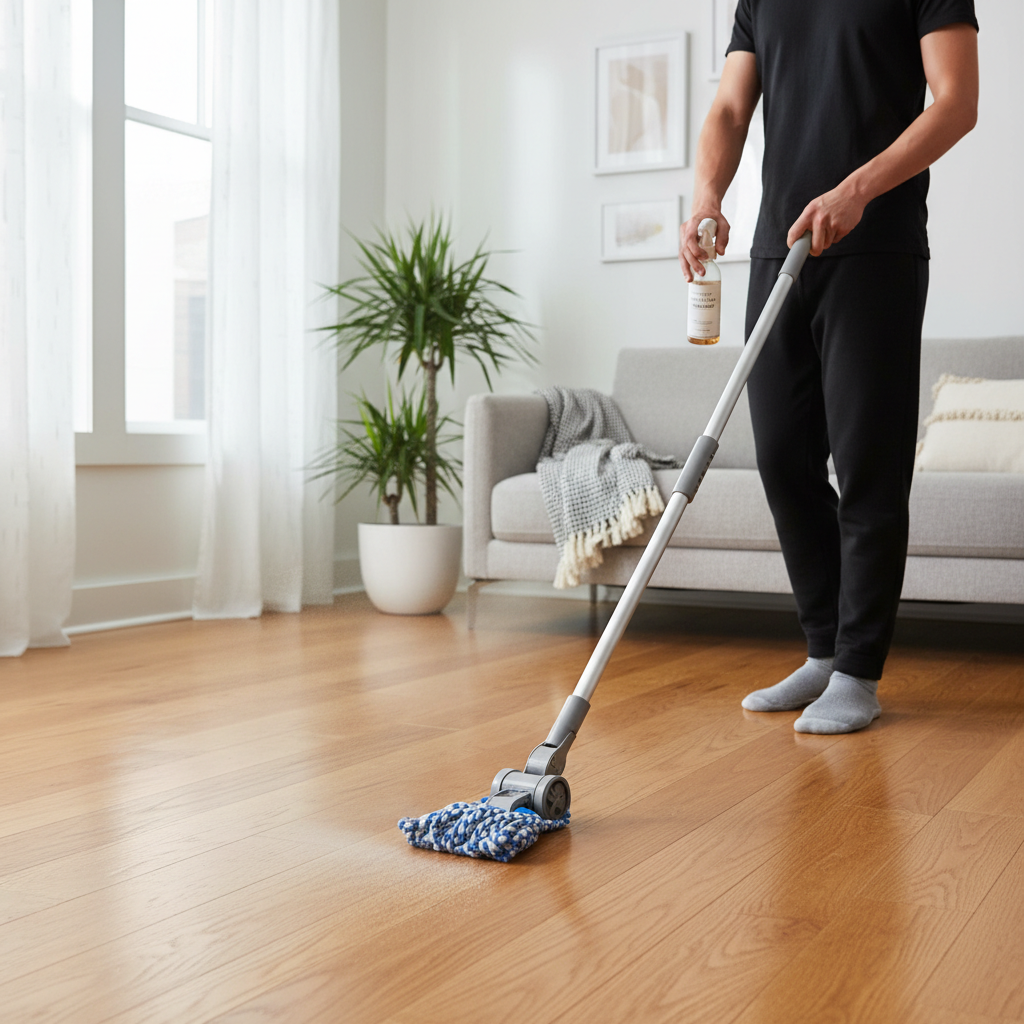
This guide keeps it realistic: what to use, what to avoid, and how to handle common problems like streaks, cloudy buildup, pet accidents, and high-traffic grime, without turning your floor into a science experiment.
Why “natural” hardwood cleaning goes wrong (and how to avoid it)
Hardwood is durable, but the surface you walk on is usually a protective finish, not raw wood. Many DIY tips accidentally attack that finish, or leave a film that makes floors look dull and dirty faster.
- Too much water: standing moisture can seep into seams, causing cupping, swelling, or hazy spots, especially on older floors.
- Acid or oil residue: vinegar is acidic, some soaps are too alkaline, and oils can make floors slippery and attract dust.
- Using the wrong tool: string mops and rough pads push dirty water around instead of lifting grit off the surface.
- “Clean” but not rinsed: some natural mixes leave a tacky layer that traps grime, then you mop more, and the cycle repeats.
According to the National Wood Flooring Association (NWFA), wood floors should be cleaned with products recommended for wood flooring and you should avoid wet mopping and steam cleaners that can damage wood and finishes.
Quick self-check: what kind of hardwood floor are you cleaning?
Before you mix anything, figure out what you’re working with, because the safest routine depends on the finish condition and how the floor behaves with moisture.
Fast clues (no special tools)
- Sealed/finished wood (most homes): slight sheen, smooth feel, spills bead briefly, routine cleaning is straightforward.
- Waxed or oil-finished floors (less common): softer, often matte, water may darken the surface quickly, these need different maintenance.
- Older floors with worn finish: gray-ish “traffic lanes,” water absorbs fast, finish may need professional attention.
If you’re unsure, start with the gentlest approach: dry clean first, then a barely damp microfiber mop with a wood-safe cleaner, and test in a closet corner.
The best way to clean hardwood floors naturally: a simple routine that works
If you want a repeatable method, use this as your baseline. It’s “natural” in the sense that it uses minimal ingredients, low residue, and avoids harsh solvents, while still respecting how wood floors are built.
Step 1: Dry clean to remove grit
- Vacuum with a hard floor setting (no beater bar), or use a microfiber dust mop.
- Pay attention to entryways and under chairs, that’s where grit acts like sandpaper.
Step 2: Lightly damp mop, not wet mop
- Use a microfiber mop head that you can wring out until it feels almost dry.
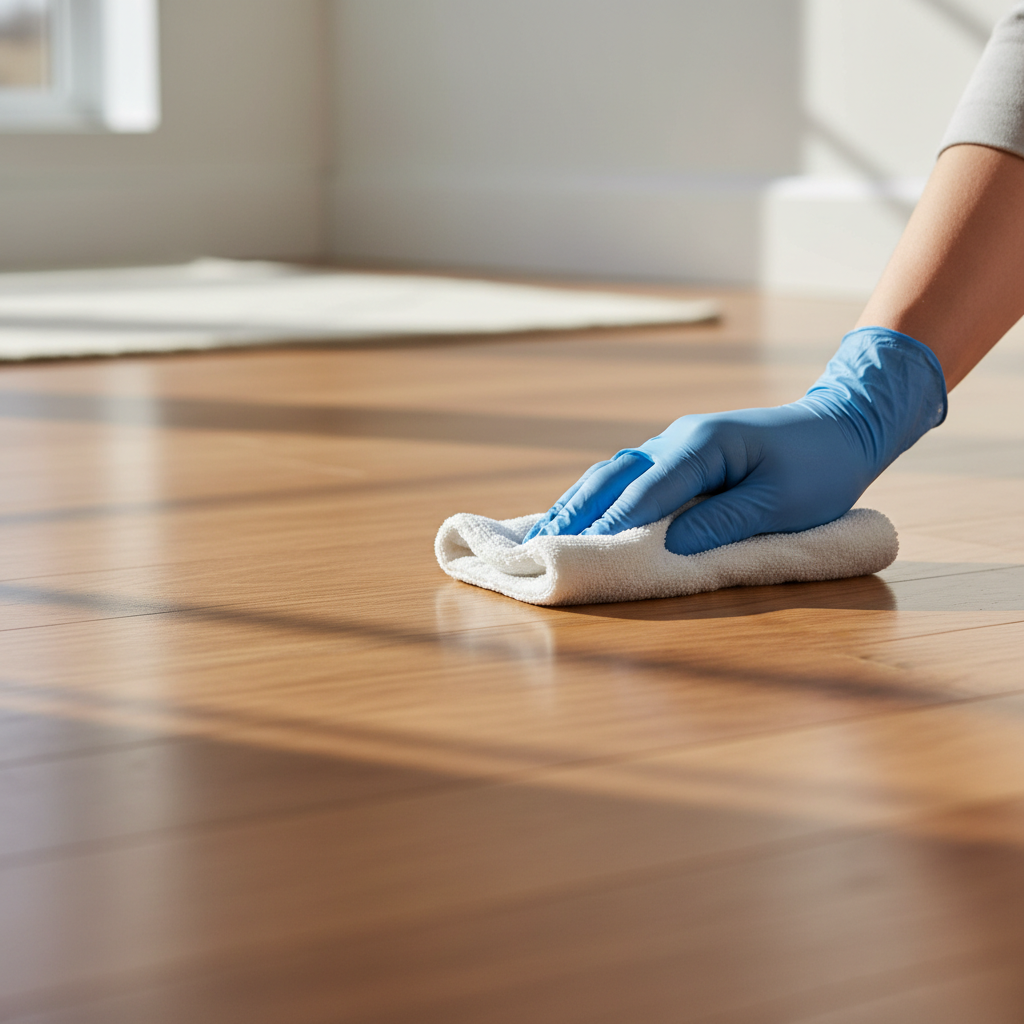
- Work in small sections, then buff dry with a clean microfiber cloth if the floor looks streaky.
Step 3: Spot-clean, don’t chase the whole floor
- Sticky spots near the fridge or table usually need a targeted wipe, not a second full mop.
- For dried spills, lay a damp microfiber cloth over the spot for a minute, then wipe clean.
Natural cleaner options (and when to use each)
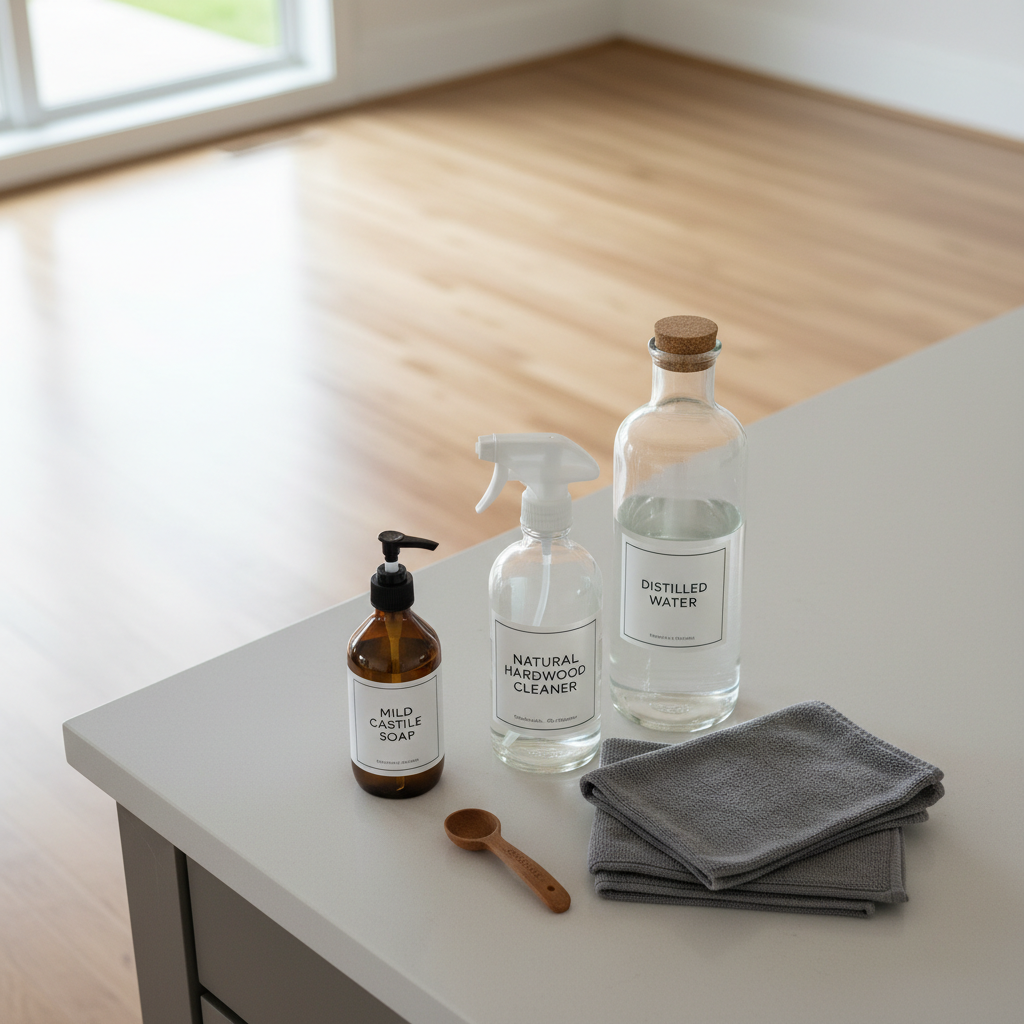
You don’t need a dozen recipes. In many homes, two options cover most situations: a plain-water maintenance mop, and a very mild soap solution for visible grime.
Option A: Plain distilled water (best for frequent maintenance)
- Use when the floor looks dusty or lightly tracked, and you already vacuum regularly.
- Distilled water can reduce mineral streaking in hard-water areas.
Option B: Mild soap + water (best for “why is it sticky?” days)
- Mix: 1 quart warm water + a few drops of mild castile soap or a gentle, unscented dish soap.
- Less is more, if you can see bubbles on the floor, you used too much.
Option C: Wood-floor cleaner labeled low-VOC or plant-based (best for predictability)
- Look for pH-neutral or hardwood-approved wording, and avoid “polish” unless you want that finish.
- This is often the easiest route if your floor streaks easily with DIY mixes.
About vinegar: it’s popular because it cuts grime, but it’s still an acid. On many polyurethane-finished floors, occasional diluted use may not cause immediate problems, but frequent use can dull some finishes over time, so many flooring pros recommend skipping it.
Common problems: what to do when “natural cleaning” isn’t enough
This is where most people get frustrated. The issue usually isn’t that you need a stronger cleaner, it’s that you need a different move.
Streaks or haze after mopping
- Cause: cleaner residue, hard water, or too-wet mop.
- Fix: switch to distilled water for a week, use less soap, and buff dry with a clean microfiber pad.
Dull “traffic lanes” near doors or the couch
- Cause: micro-scratches plus embedded grit, sometimes buildup from products labeled “shine.”
- Fix: vacuum more often, use a damp microfiber scrub pad gently, then dry; if it stays dull, you may be looking at finish wear, not dirt.
Sticky spots (kitchen, dining area)
- Cause: sugary spills, cooking residue, or too much soap left behind.
- Fix: spot clean with the mild soap mix, then wipe once with plain water, then dry.
Pet accidents
- Act fast: blot, don’t rub.
- Clean with a barely damp cloth and a small amount of mild cleaner, then dry fully.
- If odor persists, a hardwood-safe enzymatic cleaner may help, but test first and follow label directions.
Tools and methods that keep floors looking good (without harsh chemicals)
The tool choice matters as much as the cleaner. If you want the best way to clean hardwood floors naturally to stay low-effort, get the setup right once.
- Microfiber dust mop: daily or a few times a week in high-traffic homes.
- Vacuum with soft brush or hard-floor head: good for pet hair and grit in seams.
- Spray bottle: lets you control moisture; spray the mop pad, not the floor, in sensitive areas.
- Two mop pads: one damp-cleaning pad, one dry-buffing pad, it makes streaks much less likely.
Avoid steam mops on hardwood in most cases. According to the U.S. EPA, moisture can contribute to mold growth in some environments, and while steam mops feel “sanitary,” the bigger issue for wood is repeated heat and moisture exposure at the seams and finish.
Natural cleaning cheat sheet (table)
If you just want the quick decision guide, use this and move on with your day.
| Situation | What to use | What to avoid |
|---|---|---|
| Weekly maintenance | Vacuum + lightly damp microfiber with distilled water | Soapy mixes every time (can leave film) |
| Sticky kitchen spots | Mild soap solution, then a plain-water wipe, then dry | Pouring cleaner directly on floor |
| Streaks/haze | Less cleaner, distilled water, buff dry | Adding more product to “fix” shine |
| Pet accidents | Blot + gentle cleaner + dry fast | Letting moisture sit, ammonia-based cleaners |
| Worn finish areas | Gentle cleaning only, consider pro assessment | Abrasive scrubbing, soaking the area |
Key takeaways and a realistic conclusion
The best way to clean hardwood floors naturally isn’t about the strongest DIY recipe, it’s about low moisture, low residue, and consistent grit control. When your routine nails those three, most floors stay clean with surprisingly little product.
- Keep it dry: damp mop, then dry-buff if needed.
- Go easy on ingredients: too much soap causes most “mystery” stickiness.
- Treat problems locally: spot clean first, full mops only when you truly need them.
If your floor still looks cloudy, rough, or patchy after gentler cleaning, you may be dealing with finish wear or product buildup that needs a different approach, and that’s a good moment to ask a flooring pro what your finish can safely handle.
FAQ
Is vinegar safe for hardwood floors if it’s diluted?
It can be tempting, but vinegar is acidic, and frequent use may dull certain finishes over time. If you try it, keep it very diluted, use it occasionally, and test in an inconspicuous area first.
What is the safest “natural” mop solution for hardwood?
For many homes, distilled water on a microfiber pad is the safest baseline. When you need more cleaning power, a few drops of mild soap in water usually works without heavy residue.
Why do my hardwood floors feel sticky after I mop?
Most often it’s leftover cleaner. Use less soap, swap to distilled water, and do a quick plain-water wipe on the sticky zone, then dry it thoroughly.
Can I use castile soap on finished hardwood floors?
Usually yes in small amounts, but it’s easy to overdo. If you see suds or need multiple passes to remove film, reduce the soap and buff dry.
How often should hardwood floors be cleaned?
High-traffic areas often do better with dry cleaning a few times a week and damp mopping weekly or biweekly. The right schedule depends on pets, shoes-in-the-house habits, and local dust.
Do I need to rinse after using a natural cleaner?
If you used any soap, a light follow-up wipe with plain water can help prevent haze. If you only used distilled water, rinsing usually does not add value.
What should I do if water turns the wood dark?
That can signal a worn finish or an oil/wax system that reacts differently. Stop wet cleaning, dry the area, and consider getting advice from a flooring professional before continuing.
If you’re trying to keep things natural but still want a routine that stays quick on busy weeks, set up a simple “two-pad” system (damp clean + dry buff) and stick to one low-residue cleaner you trust, it saves a lot of trial-and-error and keeps the floor looking consistent.