
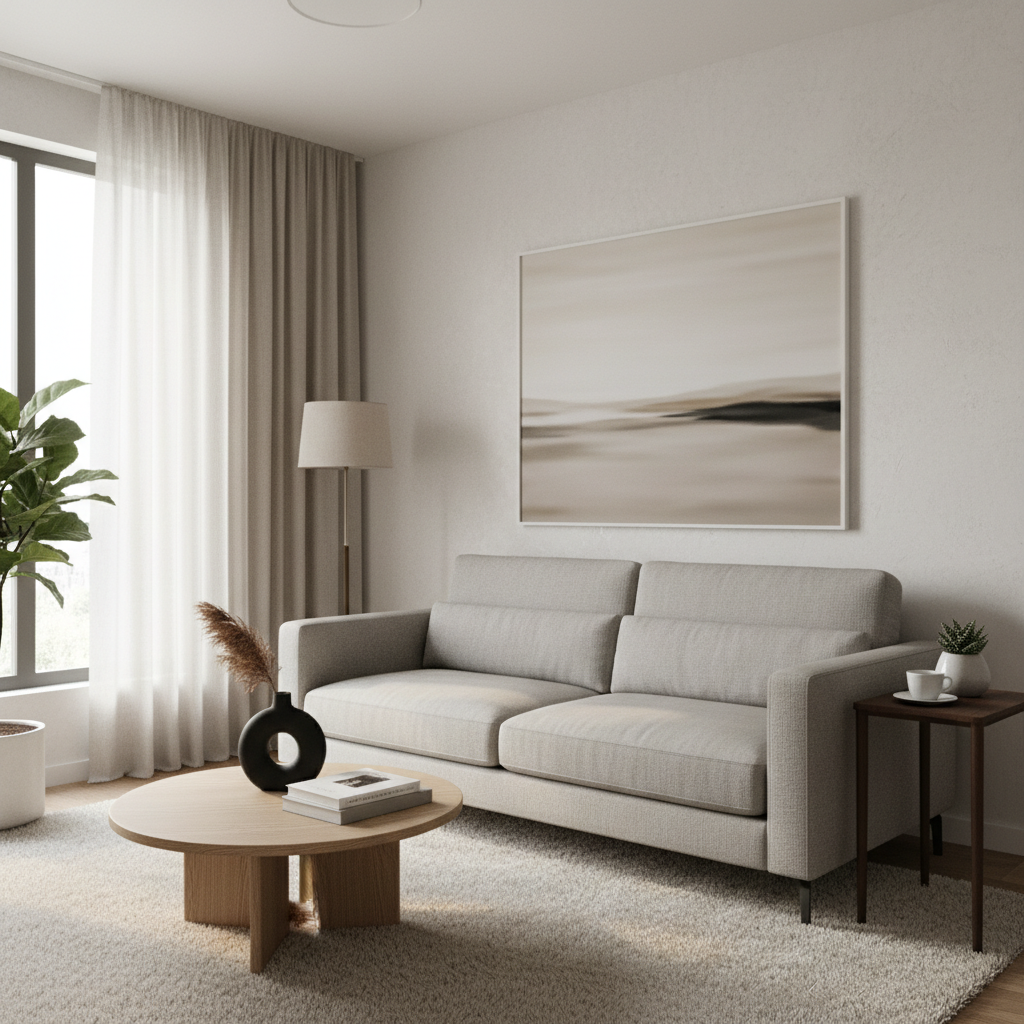
When you’re shopping for the best small side tables for tight spaces, the real goal is simple: add a surface where you need it without making the room feel cramped or cluttered.
If that sounds obvious, it’s still where most people get stuck, because “small” isn’t one size. A table that works next to a sofa arm often fails beside a narrow bed, and a cute round pedestal can be a shin-bumper in a busy walkway.
This guide breaks the decision down into practical choices, height, footprint, storage, and how you’ll actually use it, so you can buy once and stop rearranging furniture every weekend.
What “tight space” really means (and why most tables fail)
Tight spaces usually come from one of three problems: not enough floor area, not enough clearance for walking, or not enough “usable” surface because other furniture blocks access. Side tables fail when they solve one problem and create another.
- Floor area is limited: You need a tiny footprint, but it still has to feel stable.
- Clearance is limited: A table might fit, but your knees, hips, or vacuum do not.
- Access is awkward: You can’t reach your drink without twisting, so the table becomes a decor stand.
A helpful rule: if you keep nudging the table to sit down, it’s not “small enough” for that spot, it’s the wrong shape for the traffic pattern.
Quick sizing rules: height, top size, and leg clearance
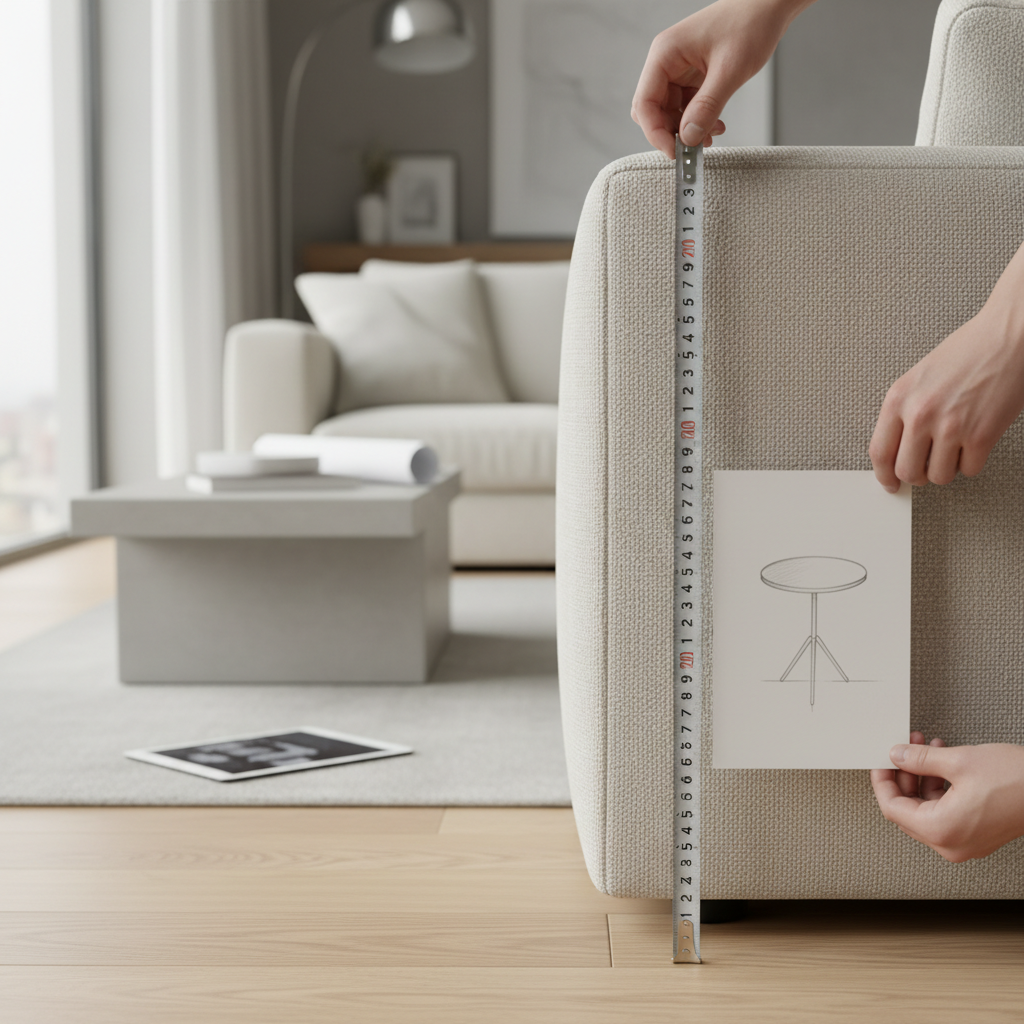
Before you browse styles, lock down the few measurements that prevent returns. You don’t need a tape-measure thesis, just the numbers that matter.
Height: match the seat, not your eyes
Most people are happiest when the tabletop lands about level with the sofa/bed cushion or up to a couple inches higher. Lower can work for lounge chairs, but too low turns every sip into a little crunch.
Top size: pick the smallest surface that still works
Think in “objects,” not inches. In many cases, you want space for a drink + phone, or a lamp + book. Anything bigger tends to collect clutter in a small room.
Leg/base clearance: the hidden dealbreaker
Pedestal bases slide in closer to seating, while four legs can block feet. C-shaped tables solve this by letting the base tuck under a sofa, which is why they show up so often in lists of the best small side tables for tight spaces.
Best small side table shapes for tight spaces (what works where)
Shape matters more than style when you’re squeezing furniture into a small footprint. Here’s what tends to work in real homes.
Round tops: forgiving in walkways
Round tables reduce sharp corners in narrow paths, so they’re often a safer pick near entry routes, kids, or pets. The tradeoff is slightly less usable surface area for the same diameter.
Square/rectangular tops: efficient against walls
These tuck neatly beside a bed or tight sofa end, especially if one side sits flush to a wall. Watch the corners if the table sits beside a high-traffic aisle.
C-shaped and slide-under tables: best for “no room” rooms
If your sofa sits close to a wall or you’re constantly moving things to clean, a slide-under base is hard to beat. Many people buy these specifically because they function like a “floating” surface.
Nesting tables: flexible when you host
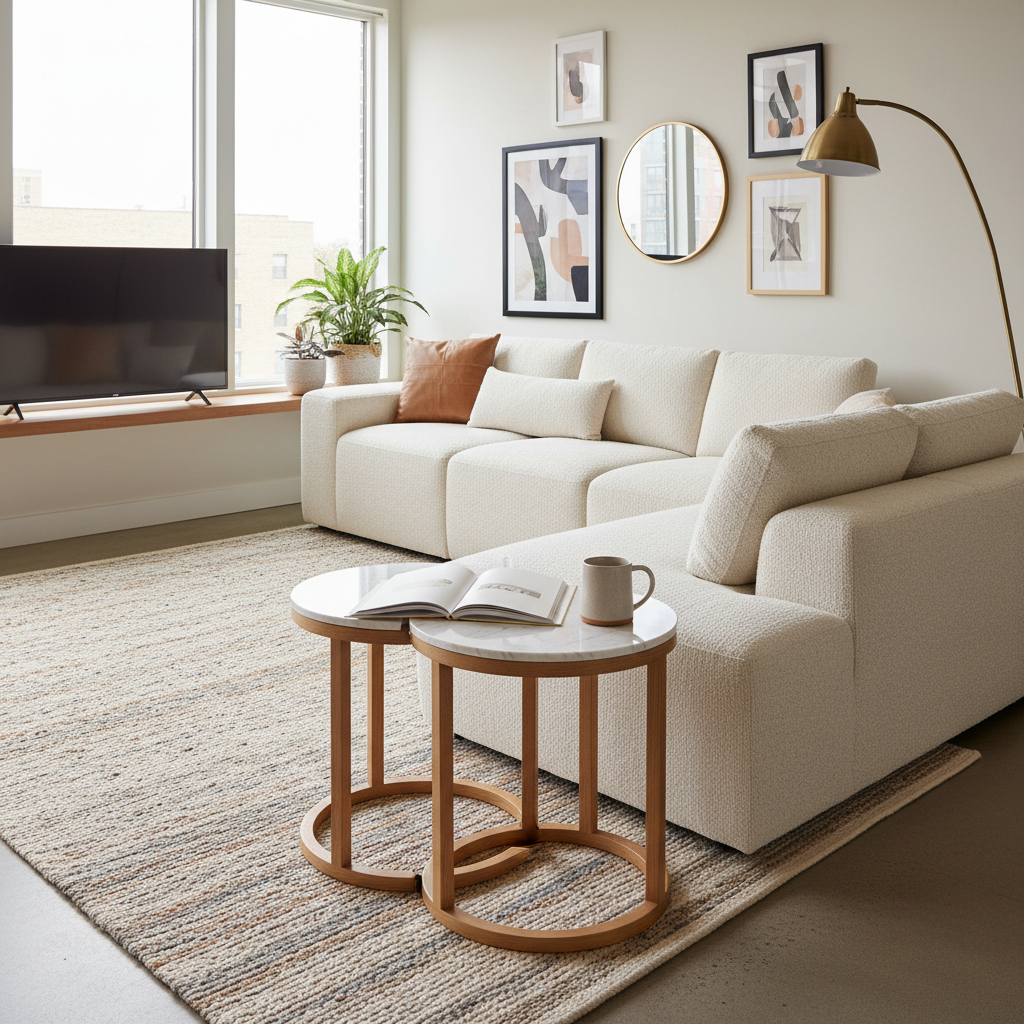
Nesting sets keep a small footprint day-to-day, then expand when you need more surfaces. They’re not ideal if you hate moving furniture, but they’re great if your space changes hourly.
Feature checklist: storage, outlets, stability, and materials
Small tables do a lot of work, so features matter. Use this as a quick filter, not a shopping wishlist you feel obligated to complete.
- Lower shelf or drawer: Good for remotes, reading glasses, chargers. Bad if it steals knee space.
- Open basket storage: Visually lighter, easier to access, but can look messy fast in tiny rooms.
- Built-in outlets/USB: Convenient, but check cord routing so it doesn’t create a trip hazard. If you rent, a simple power strip under the sofa often does the job.
- Weighted base: Worth it if you have kids/pets or the table will hold a lamp. According to CPSC (U.S. Consumer Product Safety Commission), tip-over incidents are a real household safety concern, so stability is not just “nice to have.”
- Material choices: Metal frames read lighter visually; solid wood feels warmer but can look bulkier. Glass can visually disappear, though it shows fingerprints and may be a poor fit if you want something kid-friendly.
Comparison table: which type fits your space best?
If you’re deciding between a few “small” options, this is the quickest way to match table type to the problem you’re solving.
| Table type | Best for | Watch out for | Typical sweet spot |
|---|---|---|---|
| C-shaped slide-under | Sofas with little side clearance, laptop/coffee use | Can feel tippy if base is too light | Small top, stable base, easy tuck-under |
| Round pedestal | Narrow walkways, reducing corner bumps | Less surface area for the diameter | Compact diameter with sturdy pedestal |
| Nesting set | Hosting, flexible layouts, multi-use rooms | Requires moving pieces around | Two lightweight tables that stack cleanly |
| Wall-hugging rectangle | Beside beds, tight sofa ends, corners | Corner edges in traffic paths | Shallow depth, enough top space for essentials |
| Drum/accent table | Extra stability in a tiny footprint | Often no storage, can look visually heavy | Small diameter, heavy base, simple silhouette |
How to choose in 10 minutes: a practical mini-process
Shopping gets easier when you decide based on your room’s behavior, not just the product photo.
- Step 1: Mark the “no-go” zone. Stand up, sit down, walk past. Any spot you bump twice is not a table spot.
- Step 2: Decide the job. Drink holder, lamp stand, hidden storage, laptop perch. One primary job keeps the size honest.
- Step 3: Pick the shape that matches movement. Round for circulation, rectangle for wall-hugging, C-shape for zero clearance.
- Step 4: Check height fast. Cushion height is the anchor. If you’re between sizes, slightly higher tends to feel more usable.
- Step 5: Commit to “one surface rule.” In tight rooms, one open surface per seat is usually enough. Extra surfaces often become clutter magnets.
This process sounds basic, but it’s exactly how people end up with the best small side tables for tight spaces instead of a “cute table” they keep relocating.
Common mistakes (and the simple fixes)
- Buying too wide because it “still fits”: If you can fit your hand between table and sofa, you can probably fit a slimmer model that feels better.
- Ignoring base shape: A small top with splayed legs can eat more floor space than a larger top with a tight base.
- Over-optimizing storage: Drawers and shelves are great, until you can’t cross your legs or slide a basket underneath.
- Choosing fragile finishes for high-use spots: If it’s the only landing zone, prioritize wipeable, scratch-tolerant materials.
- Forgetting cord management: If you’ll charge devices here, plan where cords run so they don’t loop into walking paths.
If you’re dealing with mobility concerns, pets that chew cords, or kids who climb, it may be worth asking a retailer for stability details, and in some situations you might prefer heavier bases or wall-anchored lighting. When safety is a concern, a quick chat with a qualified professional can be a sensible step.
Key takeaways (so you can buy with confidence)
- Measure behavior, not just space: traffic flow and leg clearance matter as much as width.
- Choose shape based on the spot: round for walkways, rectangle for walls, C-shaped for “no clearance.”
- Stability beats extra features: especially if the table holds a lamp or sits near active areas.
- Keep the surface honest: enough room for your essentials, not enough to invite clutter.
If you pick one action today, make it this: measure seat height and mark the max footprint with painter’s tape, then shop within that outline. It’s the quickest path to a small table that feels like it belongs.