
Best slim storage cabinets for narrow spaces are usually the difference between a hallway that feels cramped and one that feels intentionally organized, especially when you need storage without stealing walking room.
If your hallway is narrow, the wrong cabinet creates daily friction: bumping hips, blocked doors, awkward corners, and that feeling that the space is “always in the way.” The right slim cabinet does the opposite, it disappears visually while quietly holding shoes, mail, cleaning supplies, or linens.
This guide focuses on what actually matters in U.S. homes and apartments: depth, door swing, mounting safety, and materials that hold up to scuffs. You’ll also get a quick comparison table, a measurement checklist, and scenario-based buying advice.
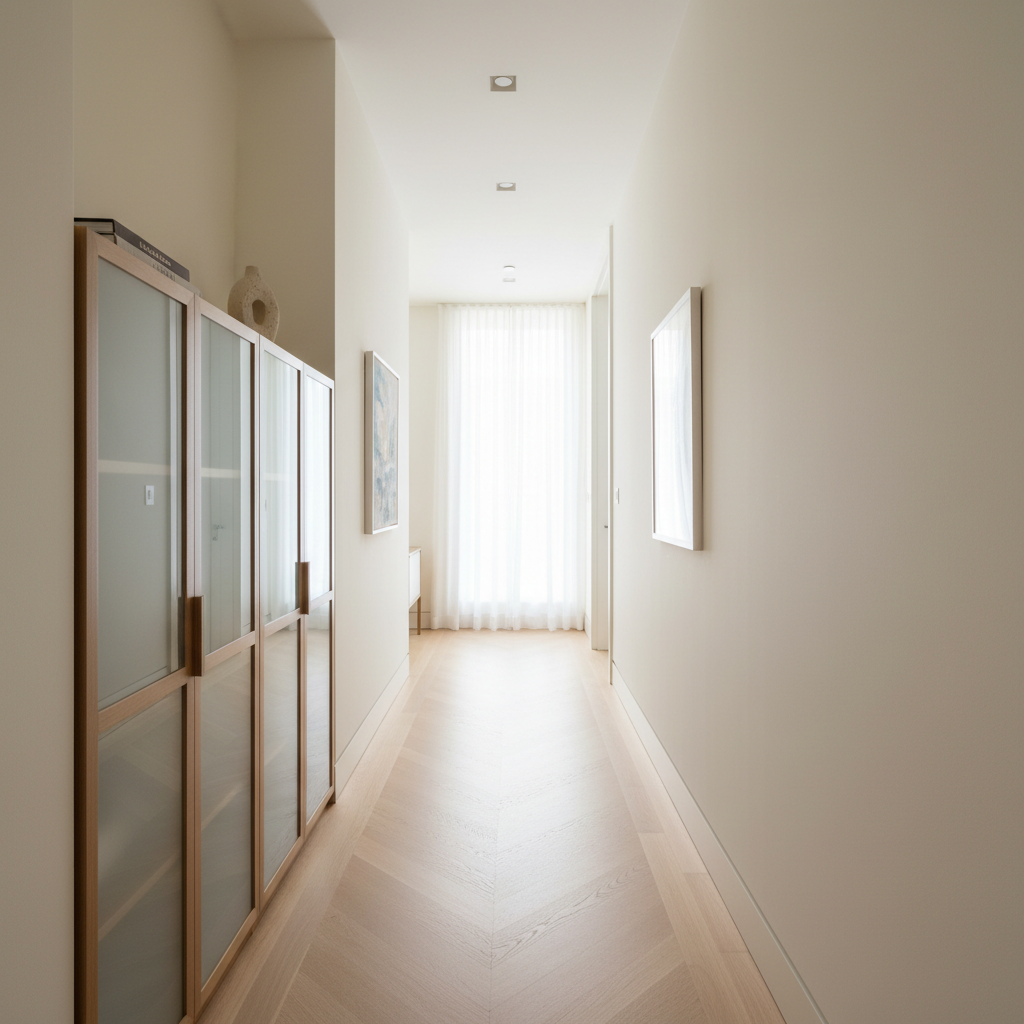
What makes a cabinet “slim” enough for a hallway (and still useful)
Most people shop by width first, but in hallways depth and door behavior cause more headaches. A cabinet can be narrow in width and still feel awful if it sticks out too far or forces a door to swing into traffic.
- Depth: Many hallway-friendly cabinets land around 6–14 inches deep, depending on what you store. Under ~10 inches works well for mail, keys, toiletries, and small shoes; 12–14 inches handles bulkier sneakers and cleaning bottles.
- Width: 20–32 inches is common for “one-person install” cabinets; wider looks built-in but can dominate a tight corridor.
- Height: Tall cabinets add capacity without eating floor space, but they increase tip risk if not anchored.
- Door style: Sliding doors and tambour doors save clearance. Standard swing doors can work, but only if you have room to stand and open them comfortably.
- Interior layout: Adjustable shelves matter more in slim units because every inch counts.
According to the International Code Council (ICC), residential hallway width requirements vary by jurisdiction and context, so treat “standard” hallway sizes as a starting point and measure your actual conditions before ordering.
Quick comparison table: common slim cabinet types for narrow hallways
This table won’t pick for you, but it helps you match cabinet style to real hallway constraints.
| Cabinet type | Typical depth | Best for | Trade-offs |
|---|---|---|---|
| Wall-mounted (floating) | 6–12 in | Keeping floor clear, cleaning under it, small-item storage | Must hit studs/appropriate anchors; limited weight capacity |
| Tall freestanding pantry-style | 10–16 in | Max capacity with minimal footprint, linens, supplies | Higher tip risk; needs anchoring and good door clearance |
| Shoe cabinet (tilt-out) | 6–10 in | Shoes in tight entries and corridors | Fits fewer boots; some designs struggle with larger sizes |
| Console-height cabinet | 8–14 in | Mail drop zone, chargers, baskets, decor | Less total volume than a tall unit |
| Over-the-toilet style “tower” (repurposed) | 8–12 in | Ultra-tight spaces, lightweight storage | Not always stable; check base and anchoring options |
Before you buy: a quick measurement and fit checklist
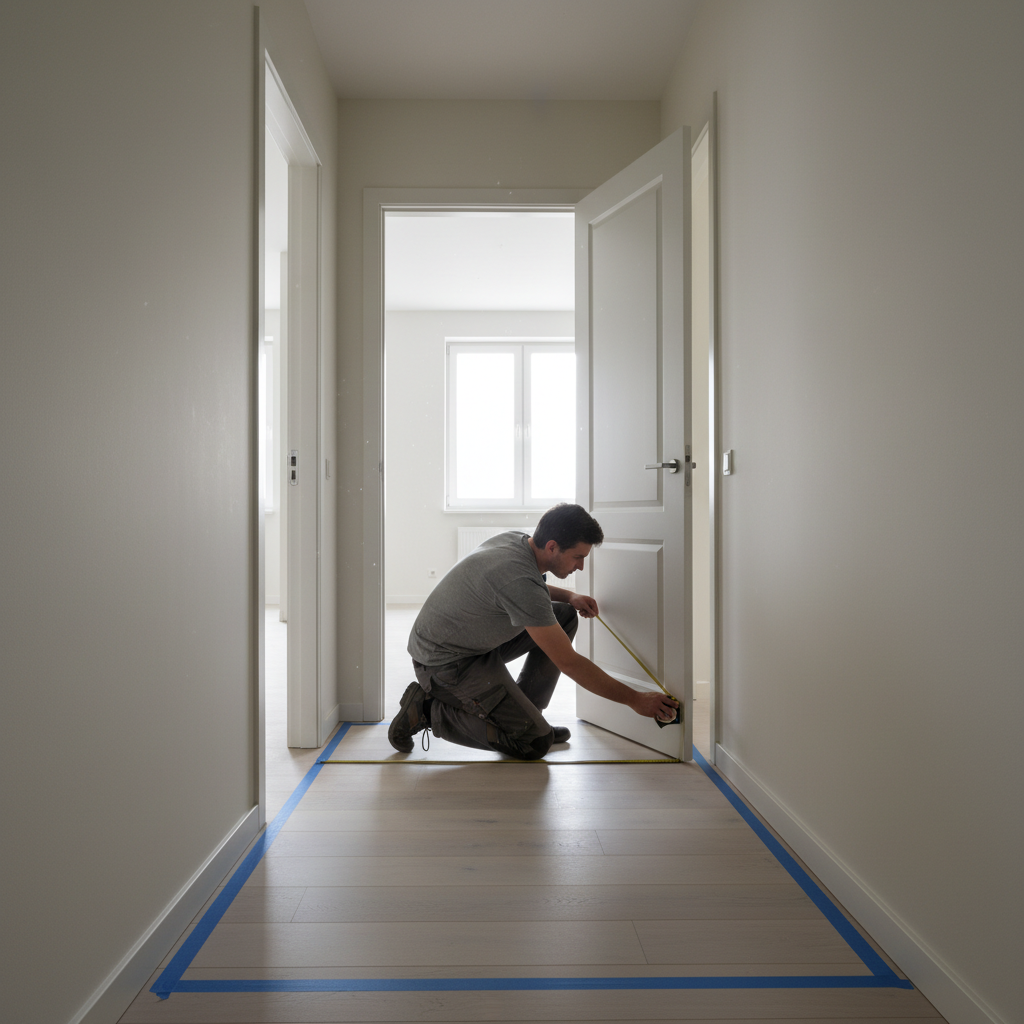
If you only do one thing before shopping, do this. Many returns happen because people measure the wall, but forget doors, trim, vents, and walking clearance.
- Walk path width: Measure the clear space from cabinet face to opposite wall/railings. Then imagine carrying laundry through.
- Door swing and hinges: Check nearby room doors, closet doors, and the cabinet’s own doors. A slim cabinet with wide-swing doors can still collide.
- Baseboards and trim: Tall units may sit crooked unless there’s a notch or enough backing gap.
- Outlet and thermostat access: Don’t block panels, switches, or HVAC returns.
- Delivery path: Tight stair turns and apartment elevators matter more than you expect.
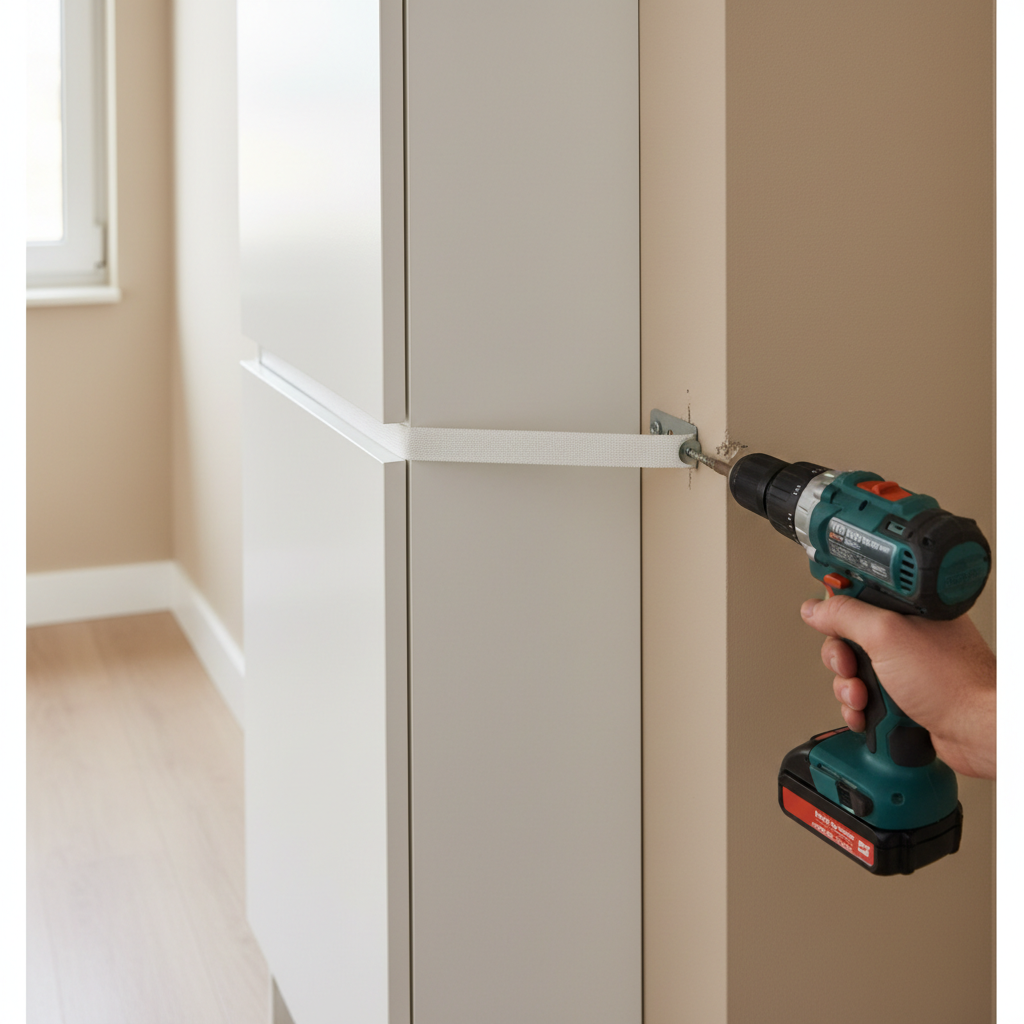
- Mounting surface: Drywall alone may be fine for light units, but heavy storage usually needs studs or appropriate anchors.
If you’re unsure about anchoring, consider a wall-mounted shallow cabinet or choose a freestanding cabinet that includes anti-tip hardware and has a stable base.
How to choose the best slim storage cabinet for your narrow hallway
Here’s the practical way to decide, starting from the constraint you can’t change.
1) If your hallway “pinches” near doorways
Pick a unit that stays shallow at the tightest point. Tilt-out shoe cabinets and wall-mounted cabinets shine here because they minimize projection into the walkway.
- Look for 6–10 inch depth and rounded or squared-off edges that don’t catch clothing.
- Prefer sliding/flip fronts over swing doors when clearance is tight.
2) If you need real capacity (not just a catch-all)
A tall, slim pantry-style cabinet typically holds the most, but only if shelves are adjustable and the doors don’t become a daily nuisance.
- Prioritize adjustable shelves and at least one taller bay for spray bottles.
- Choose finishes that tolerate scuffs: textured laminates often hide wear better than glossy paint.
3) If the hallway is visually busy
In narrow spaces, “quiet” design feels bigger. Flat fronts, simple pulls, and color matching your trim can make storage fade into the background.
- Go for light neutrals or the same color as the wall.
- Use closed storage when clutter is the real problem.
4) If kids, pets, or frequent guests use the hallway
Stability and easy access matter more than perfect aesthetics. In many homes, the best slim storage cabinets for narrow spaces are the ones that don’t tip, don’t snag, and don’t invite finger pinches.
- Prefer soft-close hinges if available.
- Avoid top-heavy setups unless you can anchor reliably.
Real-world picks by use case (what to look for, not brand hype)
You’ll see a lot of “best of” lists online, but the details that make a cabinet work in a narrow hallway are usually boring: door clearance, interior flexibility, and mounting.
- For shoes: Tilt-out shoe cabinets or shallow cubby cabinets, check whether they fit men’s larger sizes and high-top sneakers.
- For mail + keys + chargers: A console-height cabinet with a shallow top, ideally with one drawer and one closed compartment.
- For cleaning supplies: Tall slim cabinet with one vertical section for bottles, plus a small bin shelf for sponges and cloths.
- For linens: Tall cabinet with adjustable shelves and doors that open without blocking a nearby bedroom/bath door.
If you’re shopping online, look closely at the product photos for hinge placement and handle projection. A handle that sticks out can feel minor on a product page and annoying in a real hallway.
Setup tips that make slim cabinets work better (and safer)
The cabinet you buy is only half the story. The setup determines whether it feels like built-in storage or like an obstacle course.
- Anchor when it’s tall or heavy: Many manufacturers include anti-tip kits. Use them, and if you’re unsure about your wall type, consider asking a handyman.
- Plan “grab zones”: Put daily items between waist and shoulder height; reserve higher shelves for seasonal items.
- Use bins inside: In shallow cabinets, bins prevent the “pile and forget” problem and make it easier to pull items out.
- Add a low-profile runner: If your hallway allows, a thin runner can protect floors and reduce scuffs, but avoid thick edges that catch toes.
According to the U.S. Consumer Product Safety Commission (CPSC), tip-overs can be a safety hazard, especially with tall furniture, so anchoring and weight distribution are worth taking seriously.
Common mistakes people make in narrow hallways
A few missteps show up again and again, and they’re easy to avoid once you know what to watch for.
- Buying by width only: Depth is often the real deal-breaker in tight corridors.
- Ignoring door clearance: A cabinet that “fits” can still be unusable if you can’t open it without stepping into a doorway.
- Overloading one shelf: Slim cabinets sometimes use thinner panels; distribute weight and follow the maker’s guidance.
- Skipping wall protection: In high-traffic hallways, a small bumper or felt pad prevents repeated scuffs.
- Choosing open shelves for a clutter-prone home: Open storage looks great in staged photos, but many households prefer doors in hallways.
Key takeaways and a simple next step
If your hallway is tight, prioritize depth, door style, and anchoring before you fall in love with a finish. In many cases, the best slim storage cabinets for narrow spaces are either a shallow tilt-out shoe unit for pinch points or a tall, narrow cabinet anchored properly for maximum capacity.
Pick one wall, measure the tightest section, and mark your target depth with painter’s tape on the floor. That quick visual test usually makes the decision obvious, and it saves you from buying something that technically fits but feels wrong every day.
FAQ
- What depth is considered slim for a hallway storage cabinet?
Many hallway-friendly cabinets fall around 6–14 inches deep. The right number depends on what you store and how much walking clearance you need at the tightest spot. - Are wall-mounted cabinets better than freestanding in narrow hallways?
Often, yes, because they keep the floor clear and reduce the “bulge” effect. The catch is mounting: you need the right anchors or studs, especially if you’ll store heavier items. - Do tilt-out shoe cabinets work for men’s size 11–13 shoes?
Some do, some don’t. Look for interior depth specs and photos showing sneakers, and expect that bulky boots may not fit well in ultra-shallow tilt compartments. - How do I avoid cabinet doors blocking the walkway?
Consider sliding doors, tambour-style doors, or a flip-down/tilt-out design. If you choose swing doors, check you can stand comfortably while opening them without stepping into another doorway. - Is it necessary to anchor a slim cabinet to the wall?
For tall or top-heavy cabinets, anchoring is commonly recommended to reduce tip risk, especially in homes with kids or pets. If you’re unsure about your wall type, a local pro can help. - What’s the best finish for a high-traffic hallway?
Many households do well with laminates or satin finishes that hide scuffs. High-gloss can look sharp but may show fingerprints and scratches more easily. - Can I use a narrow bathroom cabinet in a hallway?
Sometimes. Just confirm the depth, stability, and storage layout match your needs, and don’t assume it includes anti-tip hardware or is built for heavier loads.
If you’re trying to choose between a few options and want a more “no-regrets” route, narrow it to two: one that meets your max depth limit and one that matches your storage type, then compare door clearance and anchoring requirements before you hit buy.