
The best small mini fridges for bedrooms are the ones that stay quiet at night, fit your floor plan, and keep drinks and snacks reliably cold without turning into a hassle to maintain.
If you have ever returned a “quiet” mini fridge that still hums, or realized the door hits your bed frame every time it opens, you already know why bedroom fridges feel trickier than dorm or garage picks.
This guide focuses on what actually matters in a sleep space: noise style (not just a decibel claim), usable capacity, temperature stability, and the small details like shelf layout and cord placement that decide whether you enjoy it or resent it.
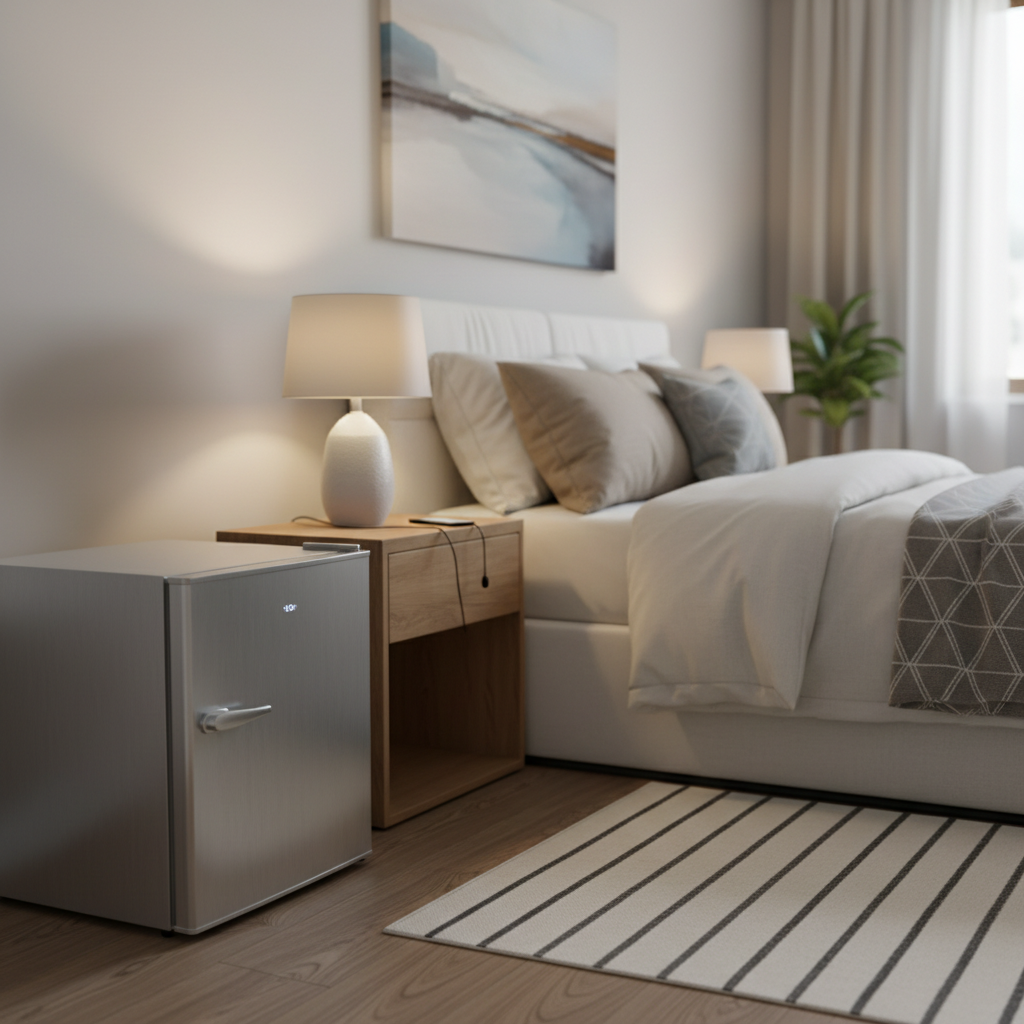
Quick pick summary: what to buy for your bedroom
If you want a fast starting point, use these “typical best fits” as your shortcut. You can refine after you measure your space and decide what you store.
- Light sleeper or studio apartment: compressor mini fridge with a reputation for low-vibration operation, no freezer or a very small chiller.
- Mostly drinks, minimal fuss: compact beverage fridge with adjustable shelves and a simple temperature dial.
- Skin-care and a few cans only: tiny thermoelectric cooler, but expect modest cooling and choose carefully.
- You truly need frozen items: mini fridge with a separate freezer door, knowing it usually adds noise and size.
Key takeaway: in bedrooms, the “best” choice is often the quietest stable-cooling unit you can live with, not the one with the biggest spec sheet.
Bedroom-specific buying factors (where people usually misjudge)
Most regret comes from three places: noise expectations, temperature expectations, and space assumptions. Bedroom use amplifies all three.
Noise: it is the kind of noise, not only the number
A low stated dB rating can still feel annoying if the fridge makes intermittent clicks, buzzing, or vibration that transfers into flooring. In many bedrooms, what wakes people is the change in sound, not constant background hum.
- Compressor fridges cycle on and off, often better cooling, sometimes more “noticeable moments.”
- Thermoelectric units can be steadier in sound, but fans may run continuously and still bother light sleepers.
Cooling performance: “chiller” is not a freezer
Plenty of small models advertise a “freezer” that is really an icebox. If you need actual frozen storage, look for a separate freezer compartment with its own door, then verify user manuals for temperature ranges.
According to U.S. Food & Drug Administration (FDA), refrigerators should be kept at 40°F (4°C) or below for food safety. If you store dairy, leftovers, or meal prep in your bedroom fridge, temperature stability matters more than people expect.
Real capacity: the shelf layout matters more than cubic feet
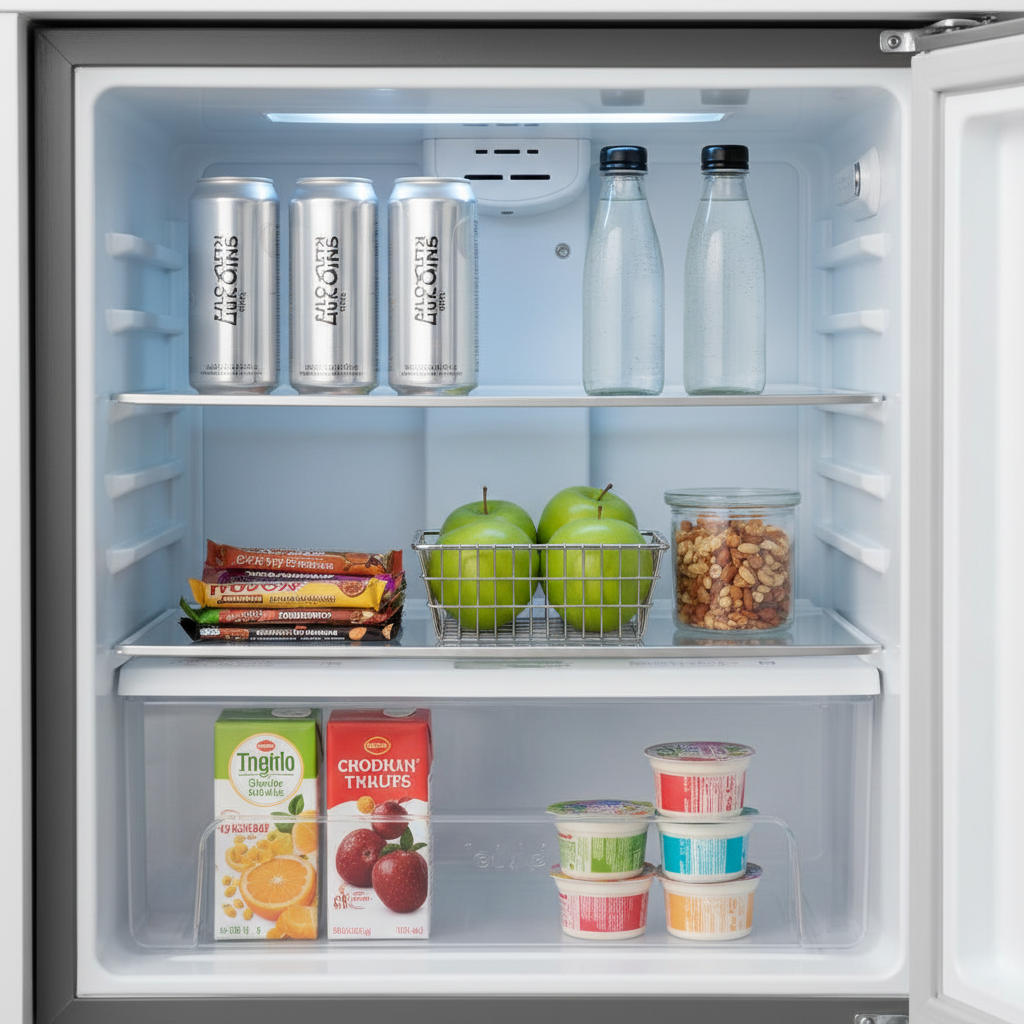
Two fridges with the same stated capacity can feel totally different. Tall bottles, wide snack boxes, and awkward door bins can make a “bigger” unit less usable.
- Check if shelves are adjustable and if the door can hold 16.9 oz bottles.
- Look for a flat back or recessed plug area if you need it tight to the wall.
Choose the right type: compressor vs thermoelectric vs beverage cooler
When people search for the best small mini fridges for bedrooms, they often mix three categories that behave differently. Picking the type first saves time.
Compressor mini fridges (most common “real fridge” option)
- Pros: stronger cooling, better in warm rooms, usually better for food and milk.
- Cons: cycling noise, occasional vibration, may need a little clearance for airflow.
Thermoelectric mini fridges (the tiny “desk-side” coolers)
- Pros: compact, simple, often lightweight, can be fine for skin-care storage.
- Cons: cooling is typically “X degrees below ambient,” so a hot bedroom can mean lukewarm drinks, fans can be constant.
Beverage fridges (built around cans and bottles)
- Pros: shelf geometry makes sense for drinks, easy organization, often glass door options.
- Cons: not always ideal for food containers, interior height can be limiting.
If your bedroom runs warm, a compressor model is often the safer bet for consistent cold. If you only store a few items and hate cycling sounds, a carefully chosen small cooler may still work.
Size and placement: the checklist before you buy
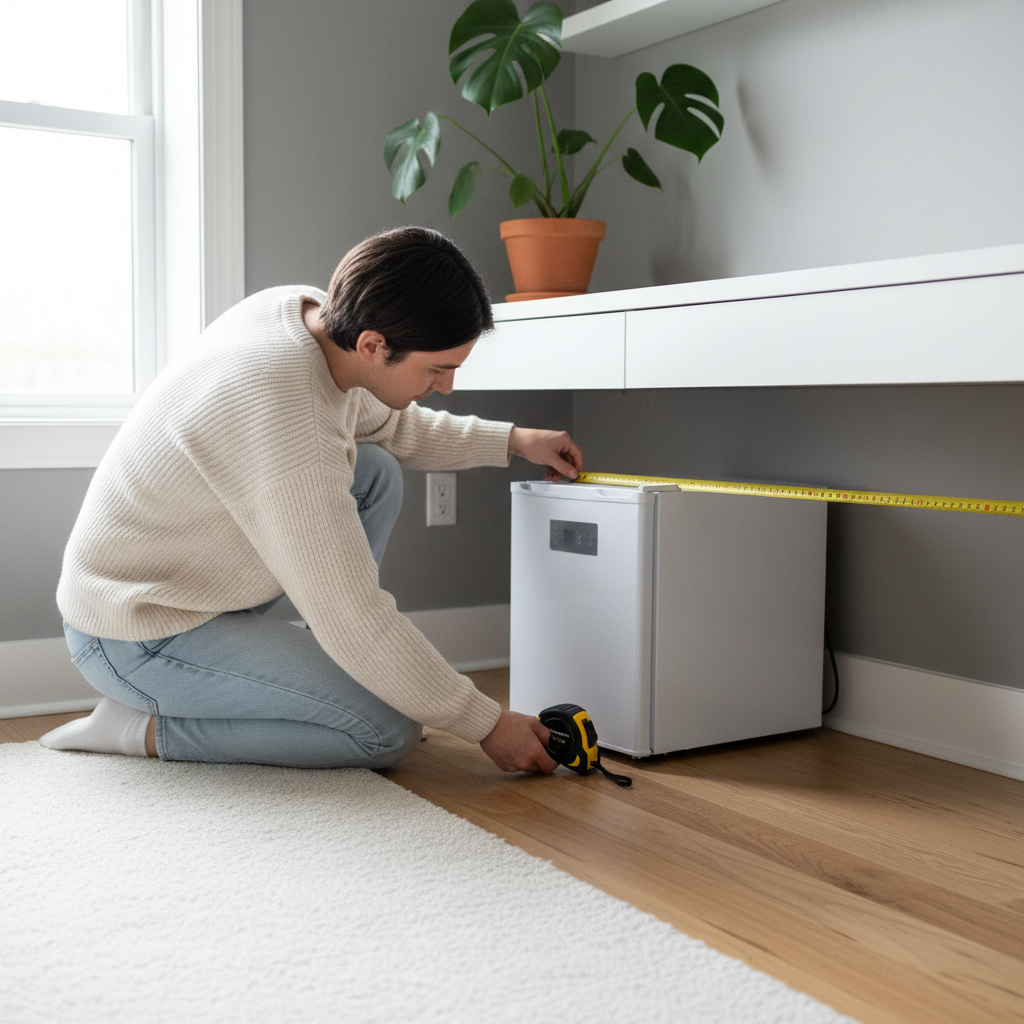
This is the unglamorous part, but it prevents returns. Before choosing from any “best small mini fridges for bedrooms” list, confirm fit and everyday usability.
- Measure width, depth, height, then add a little space for door swing and airflow.
- Confirm door direction and whether it is reversible, awkward hinges are a common bedroom problem.
- Check cord length and outlet location, avoid running cords under rugs if possible.
- Pick a stable surface, a wobble can become vibration noise at night.
Placement matters for sleep. Many people end up happier when the unit sits across the room or behind a dresser line rather than right beside the bed.
Feature comparison table (what matters, what is optional)
Use this table as a “buying filter.” It keeps you from paying for features that look good online but do not help in a bedroom.
| Feature | Why it matters in bedrooms | When to prioritize |
|---|---|---|
| Low-vibration build | Reduces sound transfer through floors and furniture | Light sleepers, upstairs rooms, wood floors |
| Adjustable shelves | Makes small capacity usable, avoids “Tetris” frustration | Snacks + drinks mix, tall bottles |
| Separate freezer door | Improves frozen performance vs a basic icebox | Ice cream, frozen meals, ice trays |
| Auto defrost / low-frost design | Less maintenance, fewer surprise ice buildups | Humid climates, frequent door opening |
| Interior light | Convenient without turning on room lights | Night snacking, shared rooms |
| Temperature display | Helps confirm safe temps without guessing | Storing perishable food |
How to pick the best option for your situation (step-by-step)
Here is a practical flow that usually leads to a good choice, even if you do not care about specs.
Step 1: Decide what you store most
- Only drinks: beverage fridge or compact compressor with good shelf flexibility.
- Perishables (milk, yogurt, leftovers): compressor mini fridge, aim for stable temps.
- Skin-care: small cooler can work, but double-check cooling range in warm rooms.
Step 2: Set a “sleep tolerance” rule
- If you wake easily, avoid models known for loud cycling and place the unit farther from the bed.
- If you sleep heavily, you can trade a bit more noise for better cooling or a freezer.
Step 3: Match size to the room, not your wish list
A slightly smaller unit that opens cleanly and stays stable on the floor often feels better than a larger unit that blocks drawers or bangs into furniture.
Step 4: Confirm basic safety and usability
- Ventilation clearance: follow the manual, cramped installs can worsen noise and cooling.
- Food safety: if you store perishables, consider using a fridge thermometer.
Common mistakes (and what to do instead)
- Buying based on cubic feet alone: look at shelf photos and door bin depth, it changes everything.
- Assuming “quiet” means silent: every cooling system makes some sound, manage placement and expectations.
- Overstuffing on day one: airflow inside matters, cramming can create warm pockets.
- Ignoring defrost needs: small freezers can frost quickly, plan for occasional defrosting.
If your room has temperature swings, the “set it and forget it” approach can backfire. A tiny tweak to the dial after a heat wave often prevents lukewarm drinks and spoiled food.
When it makes sense to get professional help or extra guidance
If you plan to store medication, breast milk, or other temperature-sensitive items, it is smart to confirm storage requirements with a clinician or pharmacist, because bedroom mini fridges vary in stability and may not meet specific medical storage guidance.
And if you live in a dorm, rental, or older home with questionable outlets, consider asking maintenance or a qualified electrician about safe use. According to U.S. Consumer Product Safety Commission (CPSC), household electrical safety and proper product use matter for reducing fire risk, especially when appliances run unattended.
Conclusion: a bedroom mini fridge should feel “invisible”
The best small mini fridges for bedrooms usually win in boring ways: steady cooling, low vibration, shelves that fit what you actually buy, and a door that opens without you doing furniture gymnastics.
If you do one thing today, measure your space and decide whether you care more about quiet sleep or freezer capability. That single decision cuts the shortlist down fast, and you end up with a fridge you stop thinking about, which is the real goal.
Key points to remember
- Noise character (clicks, vibration) matters more than marketing labels.
- Compressor models tend to cool better in warm bedrooms.
- Separate freezer doors are worth it only if you truly need frozen storage.
- Fit and door swing decide day-to-day happiness more than features.